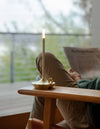
Akari: The Isamu Noguchi Lamp

BrandsWalk Creative |
In 1951, Isamu Noguchi was on his way to Hiroshima, working on a memorial cenotaph for Kenzo Tange's Peace Memorial Park, when he stopped in Gifu at the invitation of the town's mayor. Gifu had been a center of chochin, the traditional Japanese paper lantern, for centuries. The postwar economy had gutted the industry, and electricity was finishing the job. The mayor wasn't asking for art. He was asking for a way to keep a dying trade alive.

Noguchi was already an established sculptor by then, though not a wealthy one. He'd spent two decades making abstract forms in stone, metal, and clay. Nothing about his career up to that point suggested he'd become known for a lamp. But when he looked at the chochin, he didn't see an object that needed replacing. He saw one that needed almost nothing changed at all.

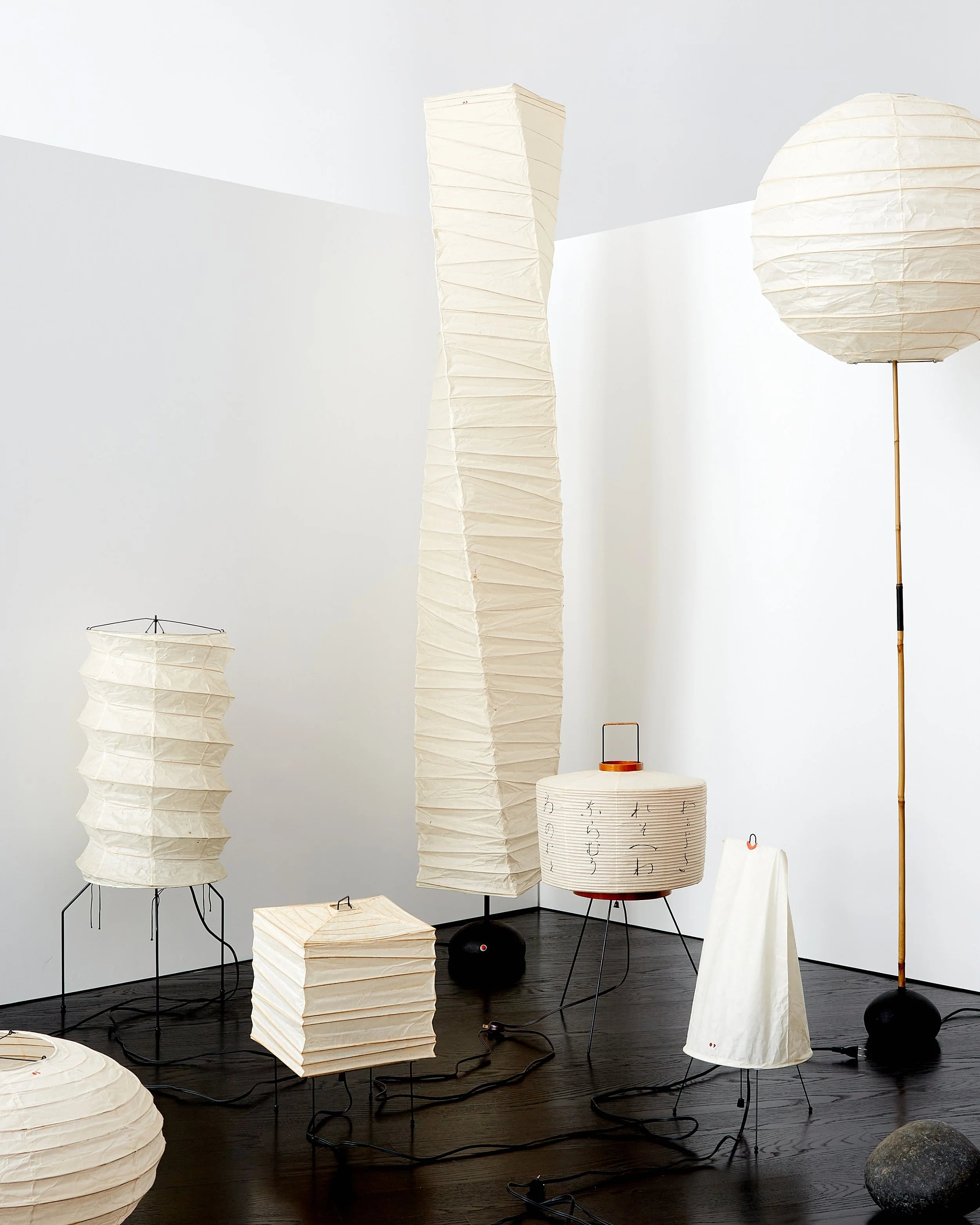
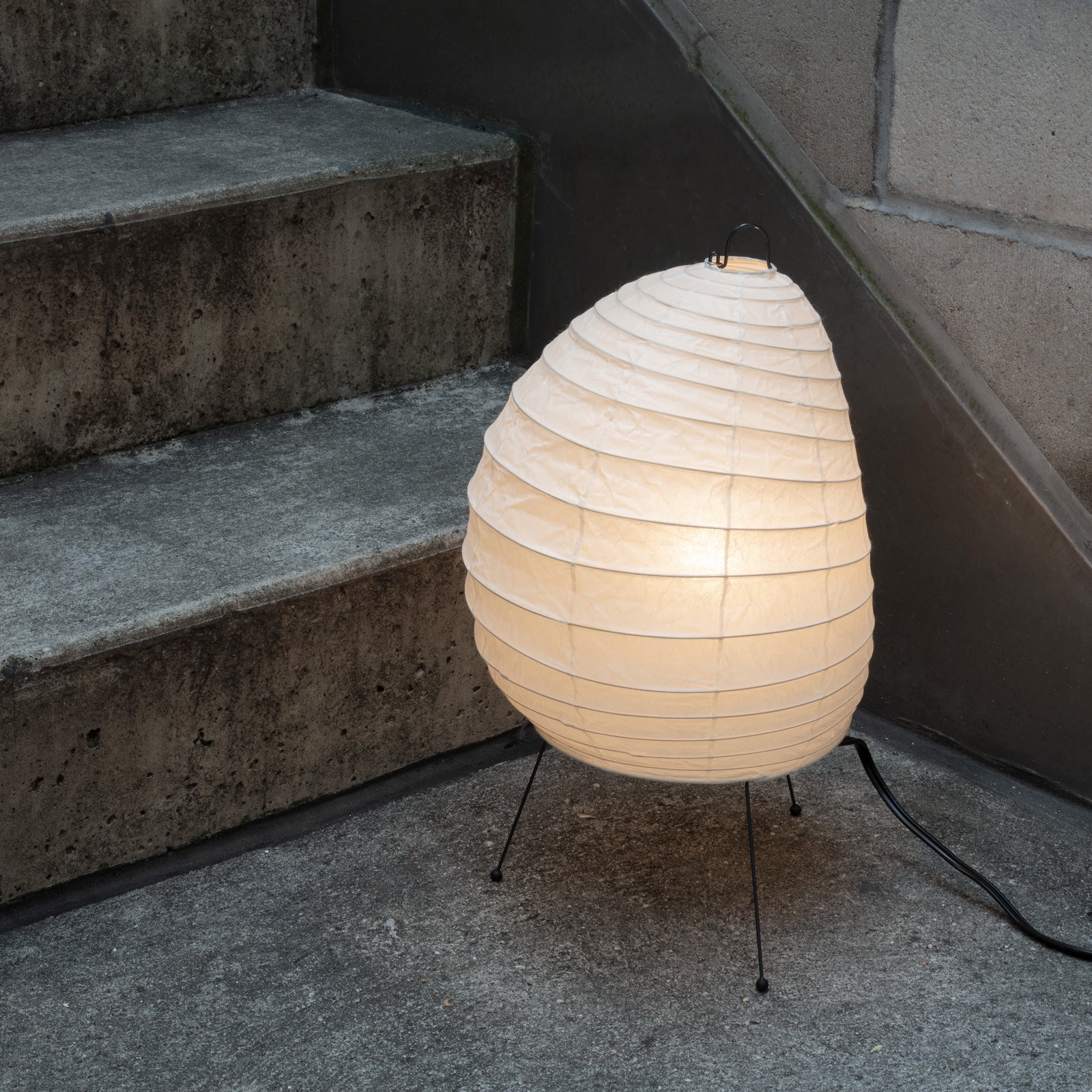
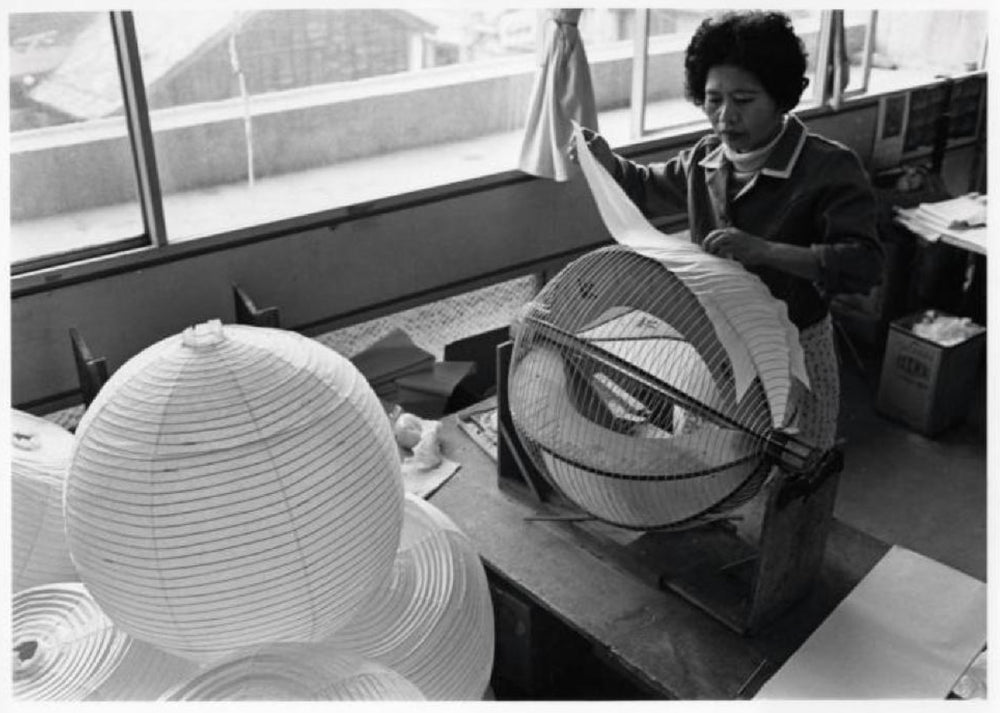
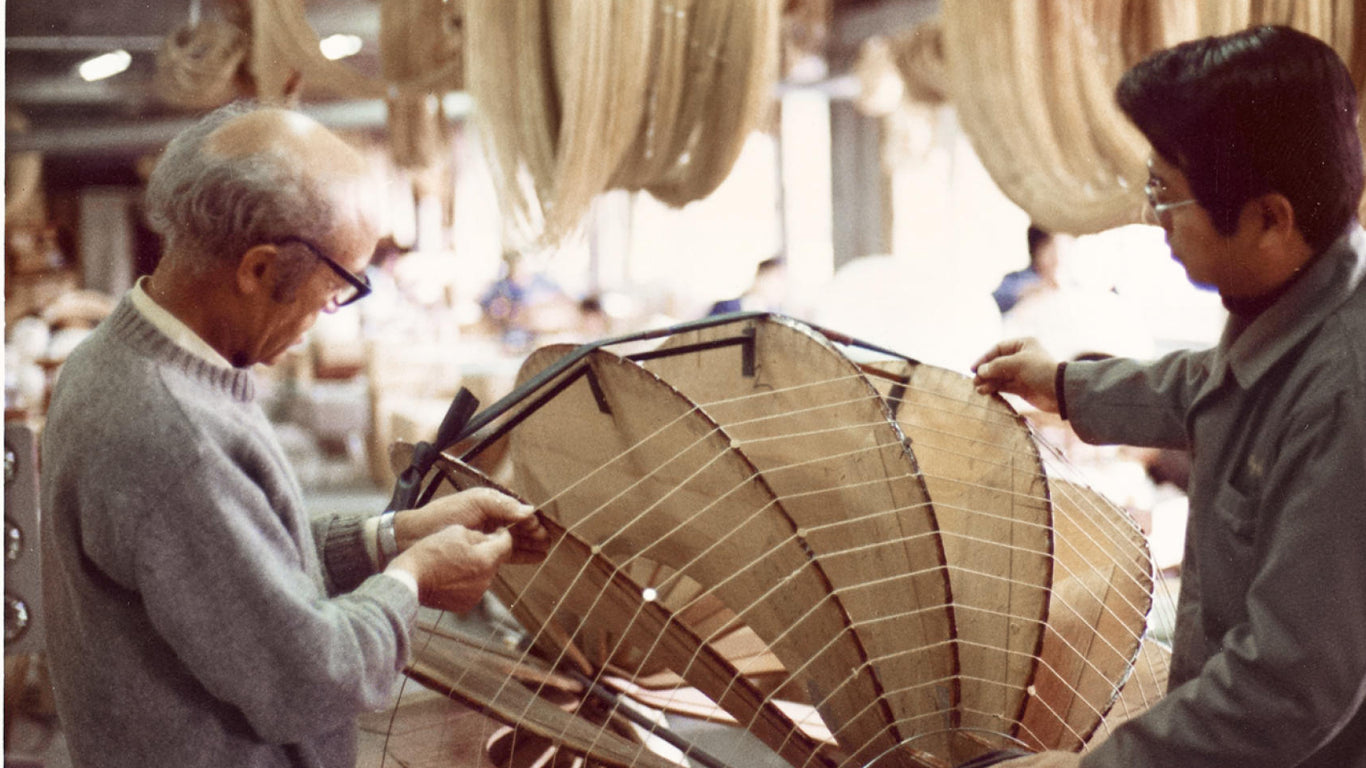
The construction stayed the same. Washi paper, made from the inner bark of the mulberry tree, cut into strips and glued by hand over bamboo ribbing stretched across a wooden mold. Once the glue set, the mold came out, and the shape held on its own, light enough to fold flat for shipping. This is still exactly how it's done.

Watch BrandsWalk Youtube | Story of Isamu Noguchi Akari Lamp

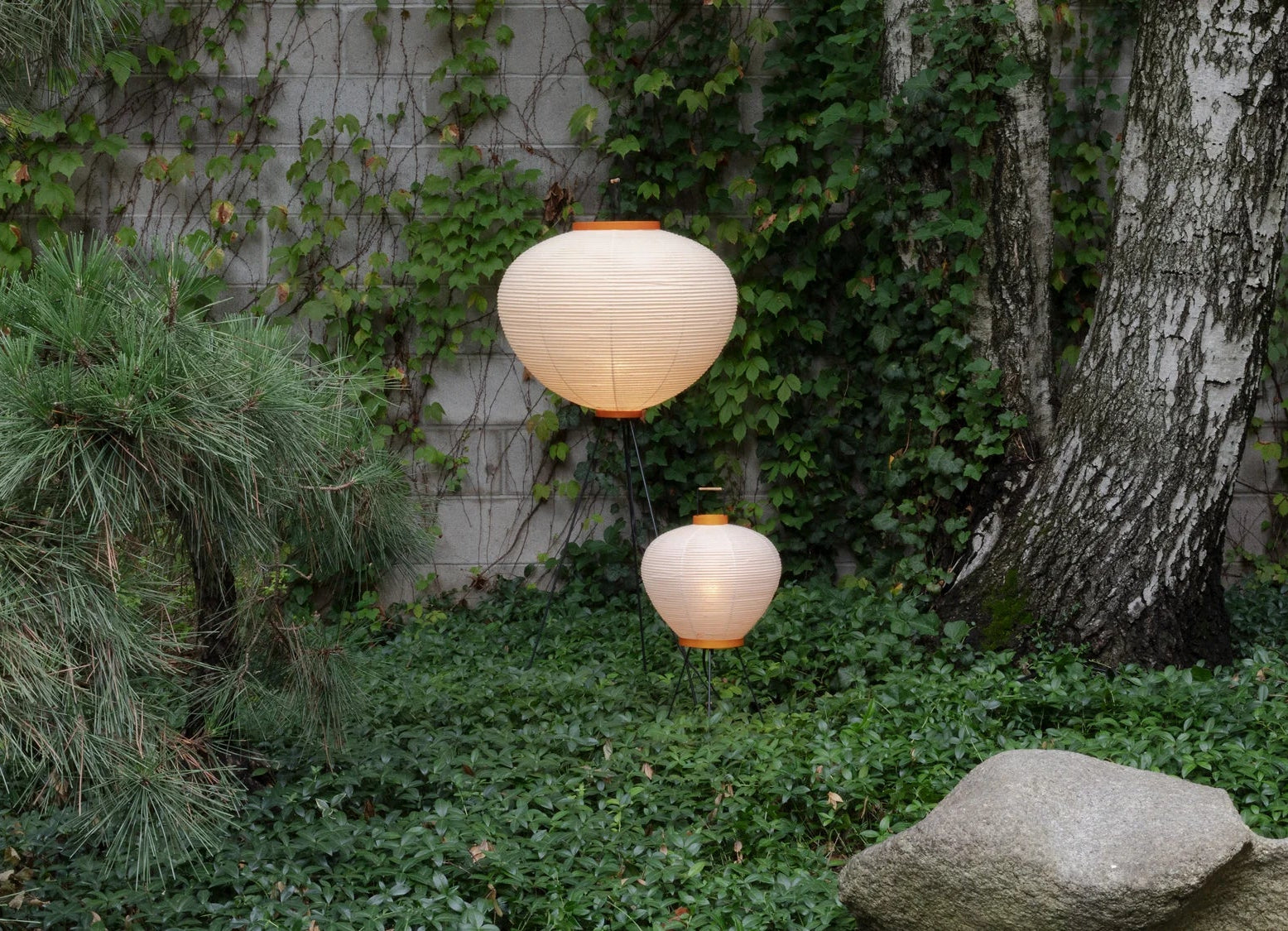
What Noguchi changed was smaller than it sounds. He swapped the candle for a light bulb, which meant the lantern no longer needed the accordion folds that let it collapse for storage between festivals. Freed from that constraint, he rounded the silhouette into something closer to the abstract sculpture he'd been making all along. Then he named it: Akari, a word that means light, in the sense of illumination, but also carries a second meaning of lightness, or weightlessness.

He didn't design a lamp so much as he found the sculpture that was already inside a functional object, waiting for a reason to stop performing its old shape.

Explore Noguchi Shop

Noguchi partnered with Gifu's Ozeki Jishichi Shoten, a lantern maker founded in 1891, to produce the first Akari. Ozeki has built every authentic one since, by hand, in the same workshop. Through the 1960s and '70s, Noguchi struck distribution deals across Europe, with Wohnbedarf in Zurich and Basel, Steph Simon in Paris, Martinelli Luce in Italy, putting Akari on the same showroom floors as the continent's own modernists. Today it's considered, by more than one design historian's account, among the most recognized Japanese-American designs of the last century, a rare case of a functional craft object aging into the art world instead of the other way around.

Seventy years on, it's still made the same way, in the same town, by hand. The part of the story that actually matters isn't that Noguchi invented something new. It's that he understood, immediately, that the object in front of him didn't need to be.

Image | Noguchi Shop
BrandsWalk Youtube | Story of Isamu Noguchi Akari Lamp