Coffee in Danger: The Brew at Risk

What’s at Stake
Wild Coffee Species & Genetic Diversity
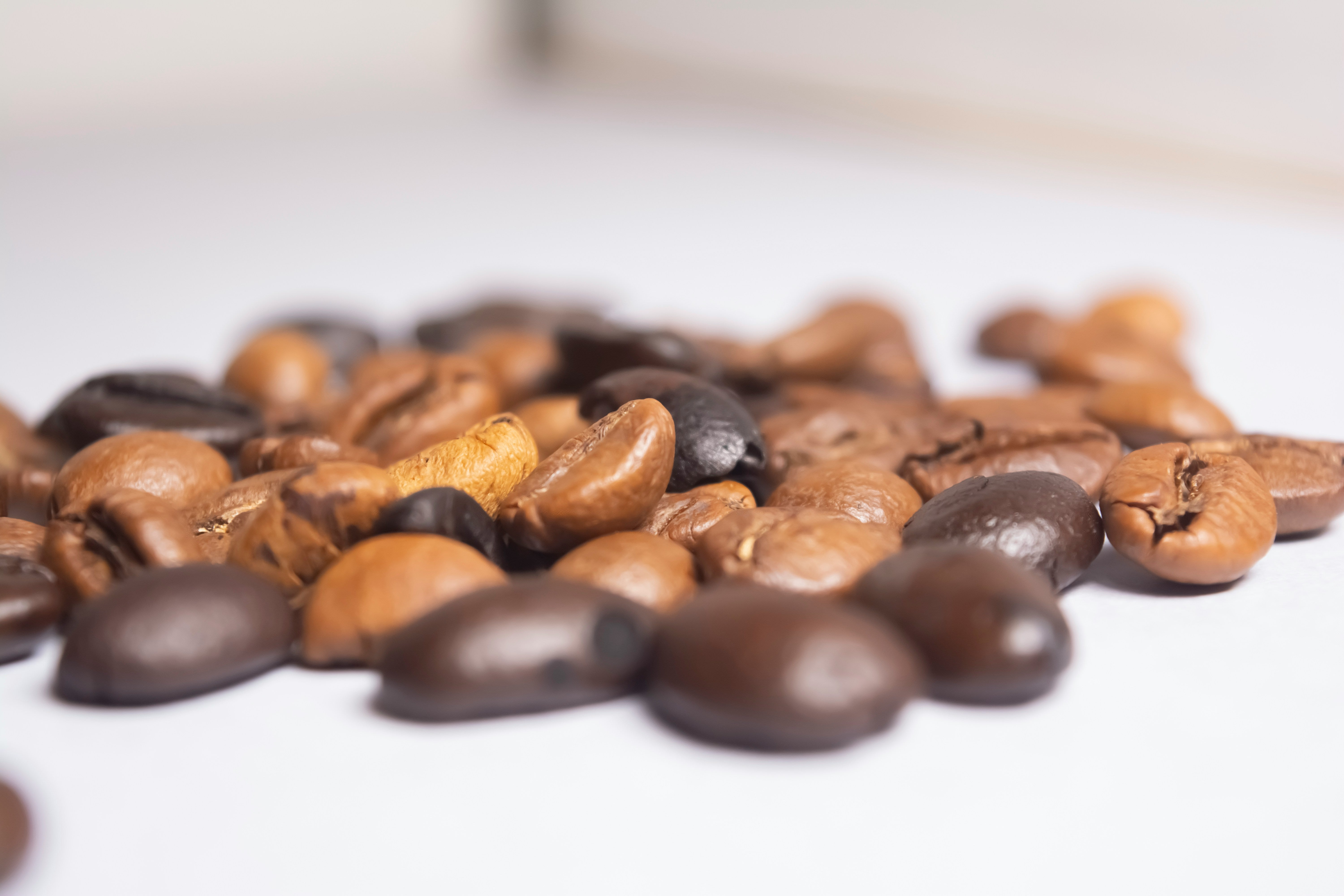
- Roughly 124 wild coffee species grow globally, but only two species (Arabica and Robusta) dominate commercial cultivation.
- According to assessments by Kew Gardens and others, 60% of wild coffee species are threatened with extinction, due to deforestation, climate change, and habitat destruction.
These wild relatives aren’t just botanical curiosities. They are the reservoir of genetic diversity that can help make cultivated coffee more resistant to pests, diseases, and changing climates. If we lose them, we lose our ability to adapt.

Cultivated Varieties Under Pressure
- Coffea arabica, which provides much of the world’s beloved specialty and high-end coffee, is especially sensitive to temperature, rainfall patterns, and altitude. Researchers project shrinking suitable growing areas for it under warming scenarios.

- Coffea robusta (often just “Robusta”) is generally hardier: more tolerant of heat, disease, and variable environmental conditions. Recent field trials hint that certain robusta cultivars might fare much better in changing climates, even in regions traditionally suited for Arabica.

Risk to Flavor, Culture, and Livelihoods
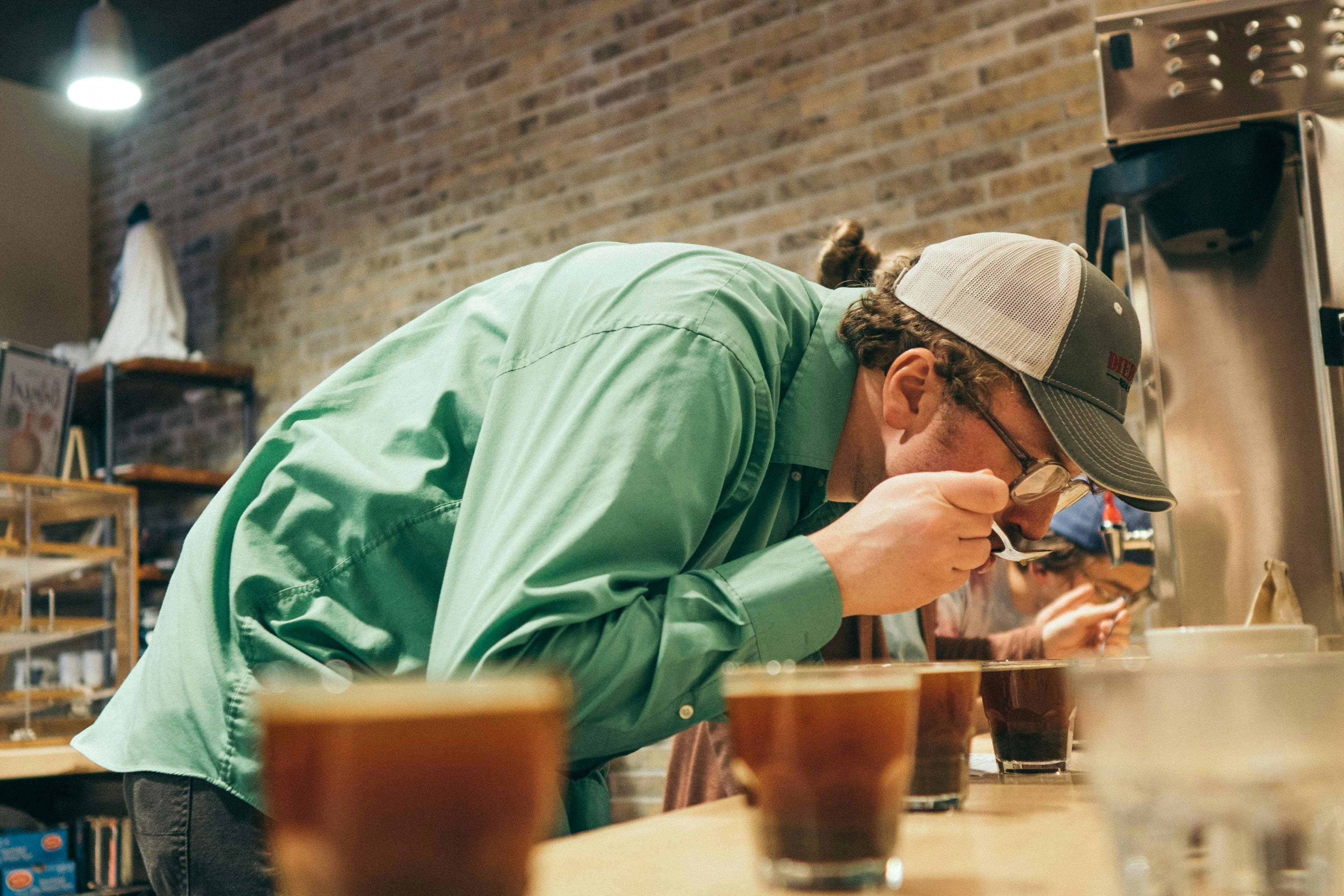
- It’s not just volume that's at risk. Climate stress can alter the quality, flavor profile, and aroma of coffee — shifting acidity, sugar content, strength of pests/diseases, and more.
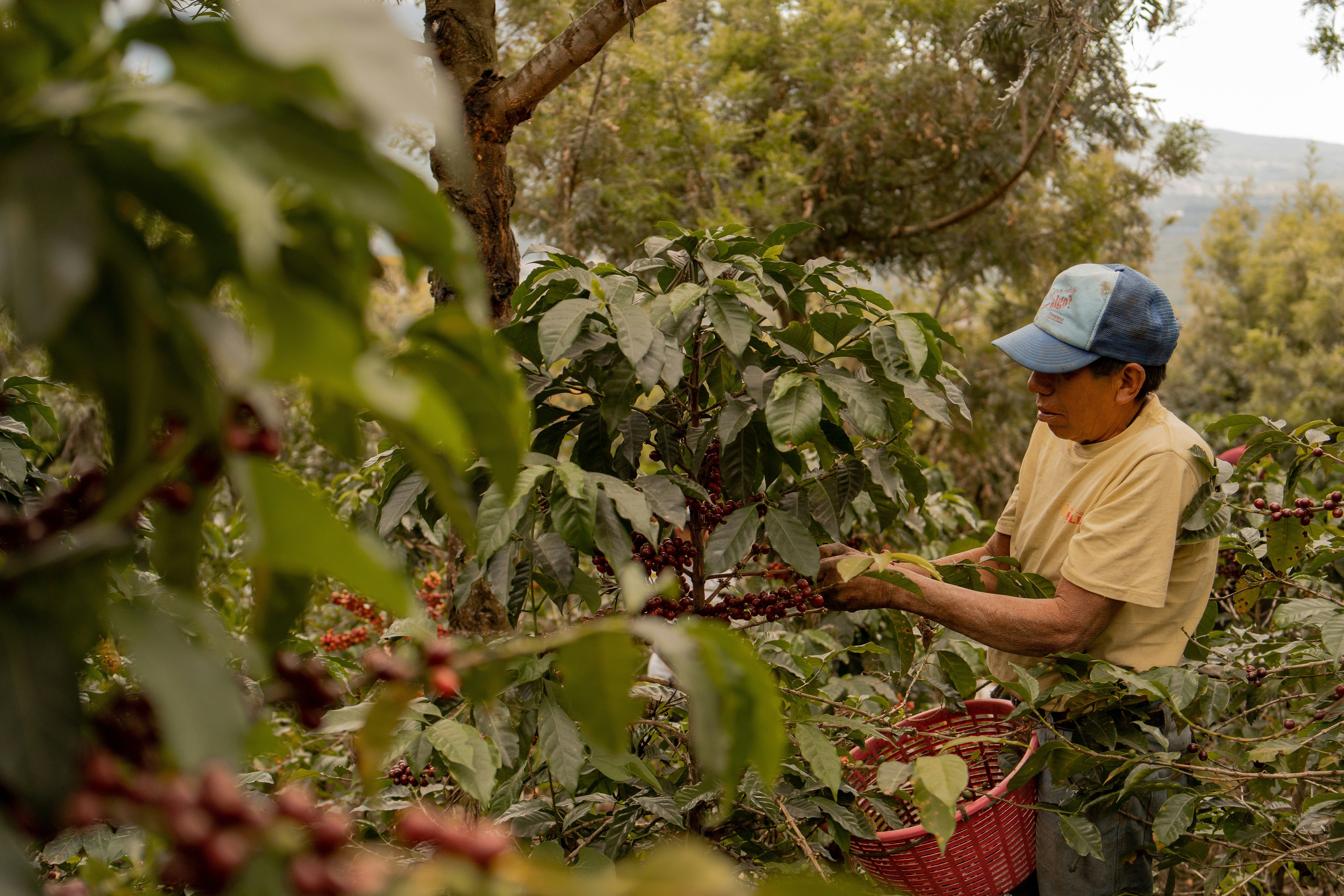
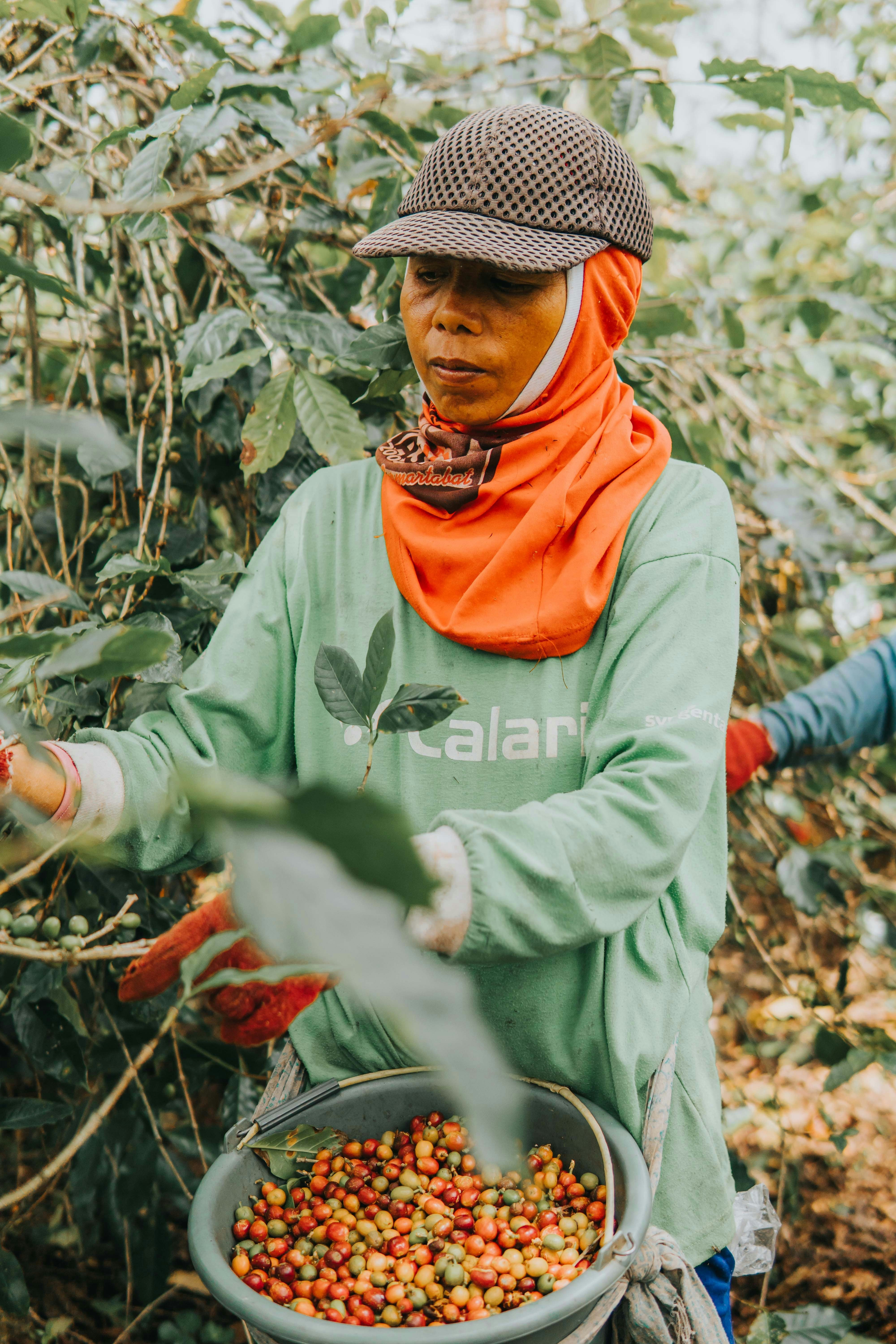
- Many coffee growers are smallholders operating on razor-thin margins. Reduced yields, crop failures, or needing to move production to higher, cooler altitudes all threaten both economic survival and the continuity of coffee-growing traditions.

What Are We Facing?
- By 2050, large portions of land now used for coffee could become unsuitable. While exact projections vary, some studies suggest that half of today’s viable coffee-growing land could be lost due to temperature rise, shifting rainfall, and increased incidence of drought or disease.

- Arabica is especially at risk; for certain temperature and precipitation scenarios, its natural populations (especially wild Arabica) could shrink by 50% or more.
- Meanwhile, wild coffee species — many outside protected zones or seed banks — are being lost. Approximately 28% of wild coffee species grow completely outside of protected areas; many species are not yet preserved ex situ in seed banks.

Alternative “Coffees” and Substitutes
- Given the potential scarcity, some companies are turning to coffee-like drinks made from chicory root, mushrooms, chickpeas, and other plants. These aren’t full replacements, especially for the caffeine kick or flavor complexity, but might help ease pressure.

What Brands & Consumers Can Do
As a platform that connects brands, thinkers, and forward-looking consumers, here are ways BrandsWalk (and its readers) can be part of the solution:
- Support sustainable sourcing: Encourage and reward brands that buy coffee certified by fair trade, Rainforest Alliance, or ones that have robust environmental and social credentials.
Invest in research & development: Funding for breeding programs, trials of resilient varieties, and agronomic innovations.

3. Promote awareness: Stories — from the farmer up to the cup — matter. Transparent supply chains and sharing the challenges and successes help mobilize demand for responsible choices.
4. Try alternatives and diversify: Both in agriculture (diverse crops, shade trees, etc.) and among consumers (being open to new flavor profiles or blends), which may help cushion the impact

Closing Thoughts
Coffee is a global connector linking farmers, cultures, economies, and millions of people’s daily rituals. The threats are real and growing, but the solutions are also emerging. It will take coordination between researchers, producers, brands, consumers, and policymakers to ensure that future generations don’t inherit a world where coffee is just a memory.

If our daily brew is to survive — and thrive — we need to treat it with urgency, creativity, and respect. Because once flavor, variety, and wild heritage are lost, they're hard to get back.
- Science Advances, 2019. Read the study
- Press Release, 2019. View summary
- Research Update, 2019. Learn more
- PLOS ONE, 2015. (via World Coffee Research). Read analysis
- Environmental Research Letters / PMC, 2022. Open access
- UQ Research Stories, 2022. Read article
- Feature, 2024. Read more