Hiroshi Fujiwara: The Quiet Influence Behind Fragment Design

From Music to Street Culture
Born in Japan in 1964, Fujiwara moved to Tokyo as a teenager and became immersed in the Harajuku scene. Trips to London and New York exposed him to punk, hip-hop, skate culture, and street fashion when those worlds were still relatively unknown in Japan.
He returned not simply with records and clothing, but with ideas.
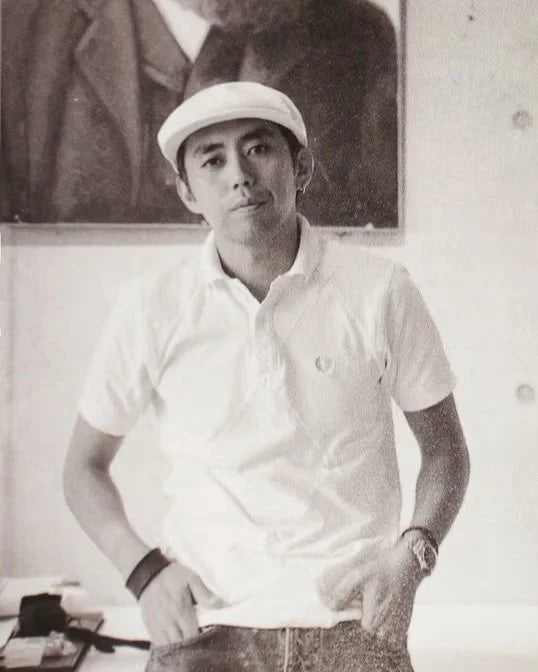
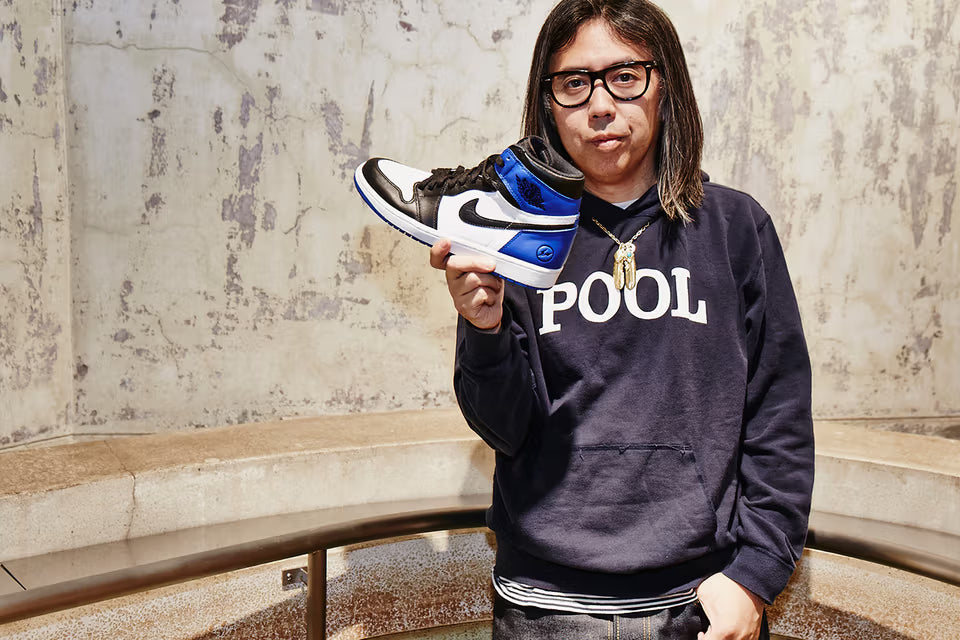
Image | Hiroshi Fujiwara

As a DJ, writer, and cultural curator, Fujiwara became known for identifying what was coming next. His early work helped shape Ura-Harajuku, the Tokyo streetwear movement that later produced globally influential brands and designers.
Before social media, Fujiwara was already doing what modern tastemakers do today: discovering, editing, and introducing culture to a wider audience.
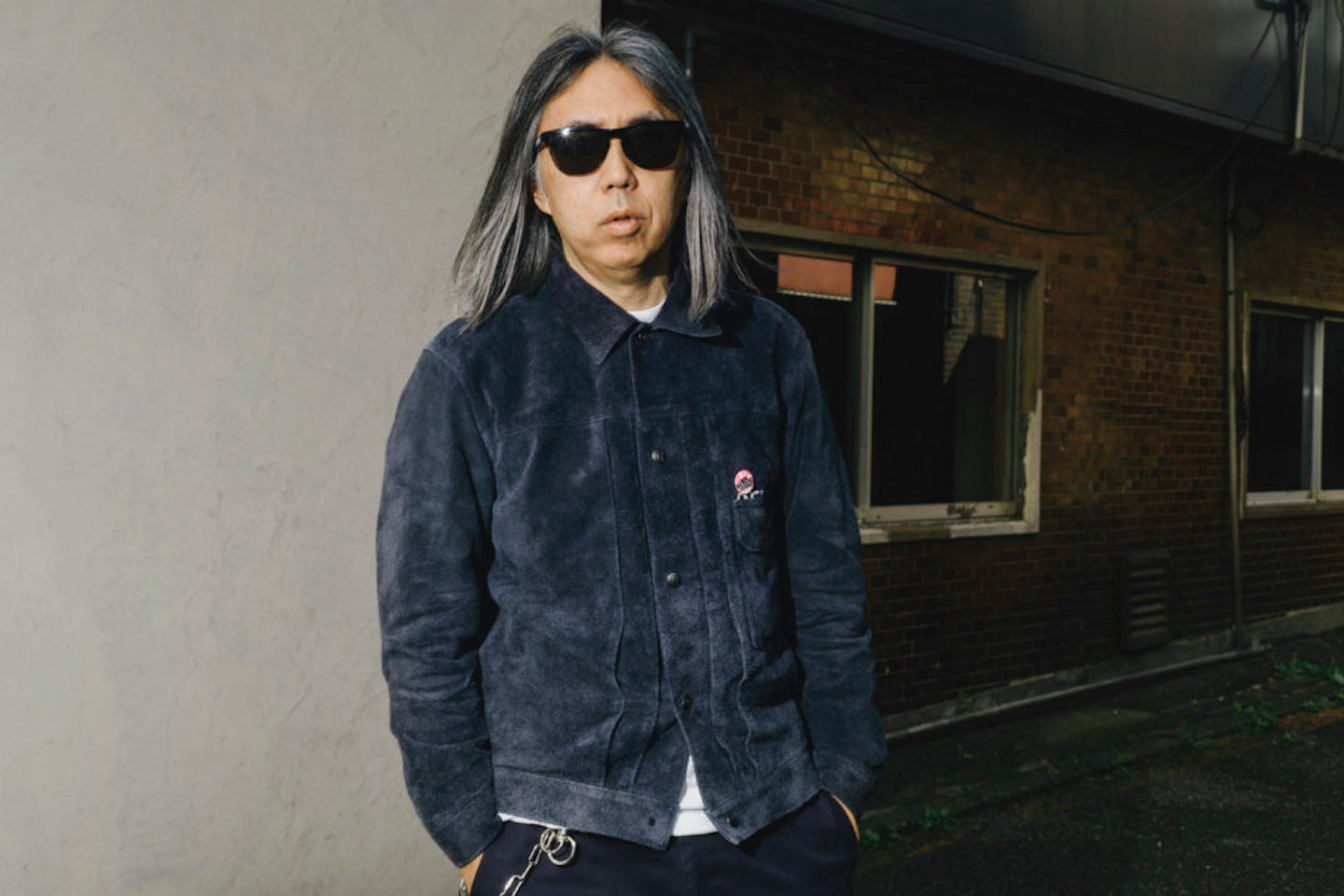
Image | Hiroshi Fujiwara as DJ

Fragment Design
In 2004, Fujiwara founded Fragment Design.
Fragment does not operate like a conventional fashion label. It has no single product category or fixed seasonal identity. Instead, it functions as Fujiwara’s creative imprint, collaborating with Nike, Louis Vuitton, Moncler, TAG Heuer, Maserati, and Bang & Olufsen.
Rather than completely redesigning an object, Fujiwara makes small, deliberate changes to color, material, typography, or branding while preserving what made the original recognizable.
It is design through editing.

The Lightning Bolt
The double lightning bolt has become the visual signature of Fragment Design.
Simple and instantly recognizable, it often appears quietly on the products Fujiwara touches: near the heel of a Nike sneaker, on a watch dial, or as a subtle mark on a Bang & Olufsen speaker.
The logo does not overwhelm the product. That is the point.
The bolt functions almost like a designer’s stamp—a signal that Fujiwara has selected, reconsidered, and approved the object. Over time, the symbol has come to represent something larger than branding: taste.

Collaboration Before It Became Marketing
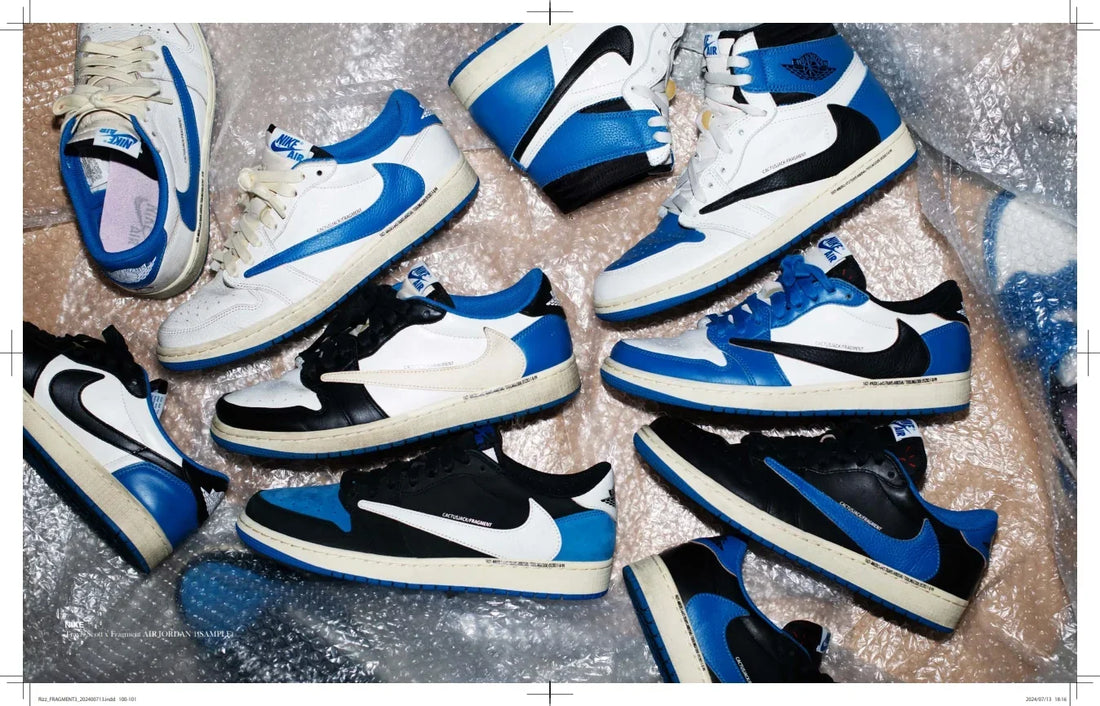
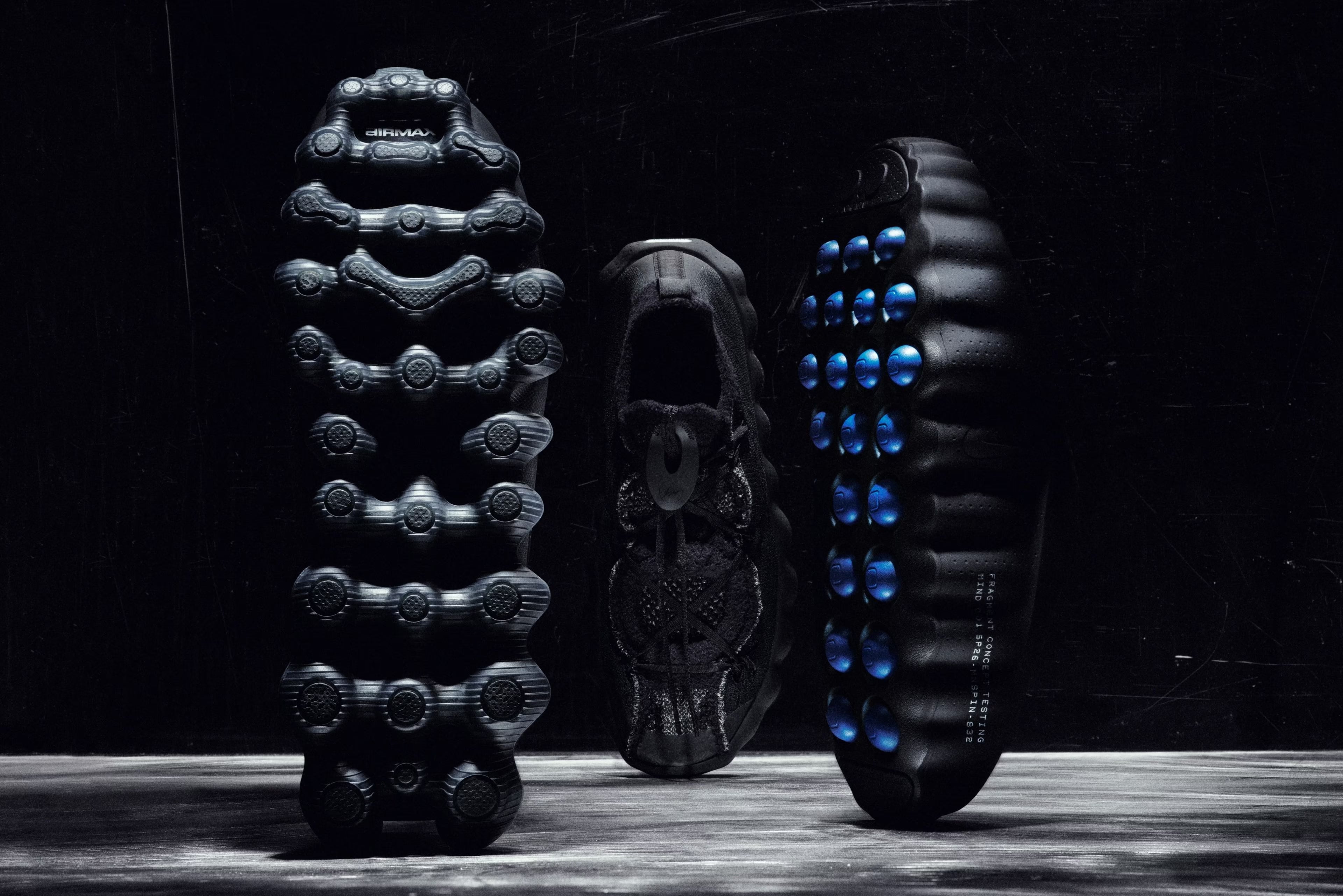
Fujiwara’s relationship with Nike is one of the clearest examples of his influence. His work with the company stretches back decades, including the influential HTM project with Tinker Hatfield and Mark Parker, along with Fragment releases that became highly collectible.
He later brought the same philosophy into luxury through Louis Vuitton and Moncler, then into watches, automobiles, technology, and audio.

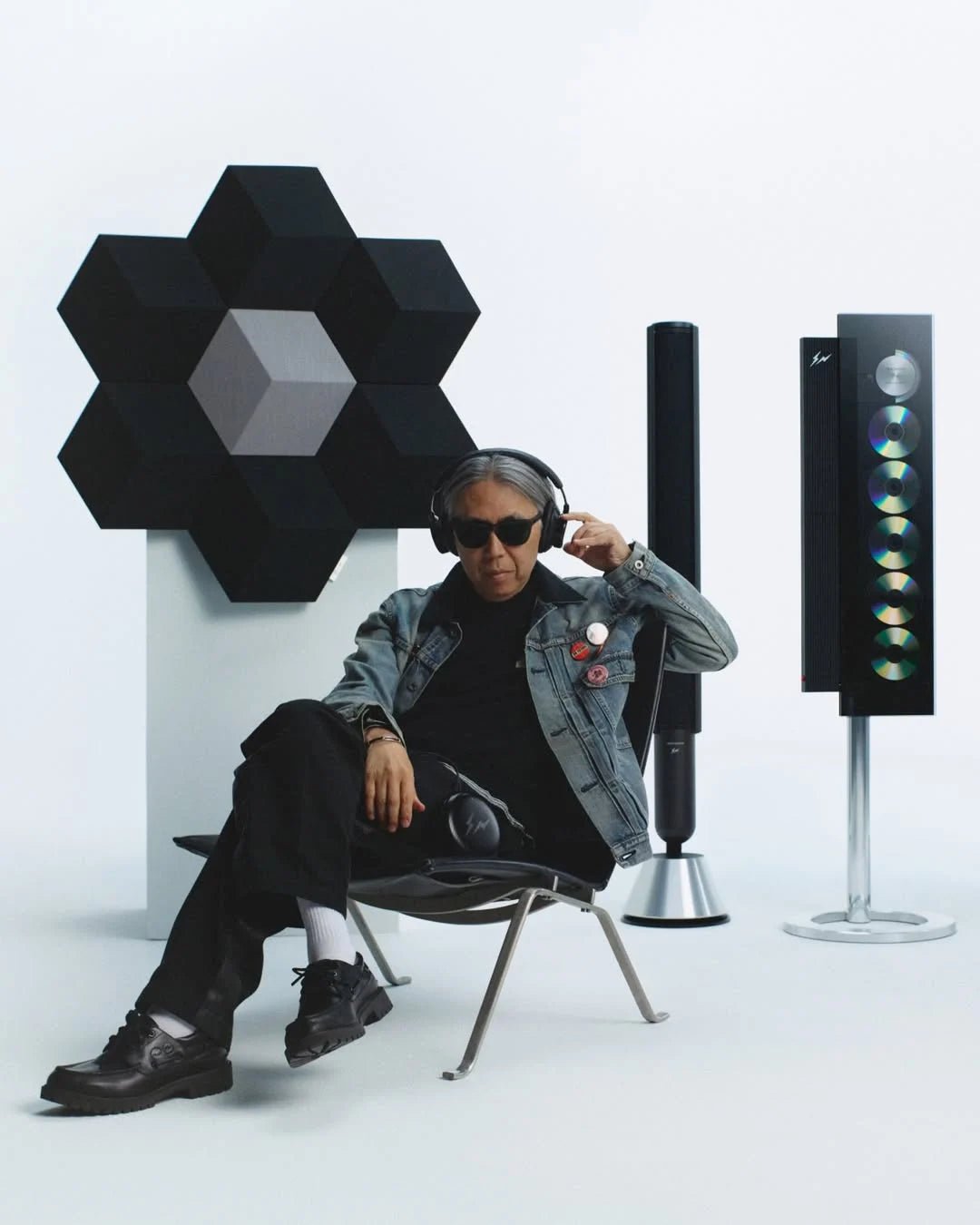
The recent Fragment collaboration with Bang & Olufsen shows how far that idea can travel. Fujiwara gave familiar B&O products a darker, monochromatic language through polished black aluminum, restrained graphics, and the Fragment bolt.
The products still look unmistakably Bang & Olufsen. They simply feel as though they have passed through Fujiwara’s world.