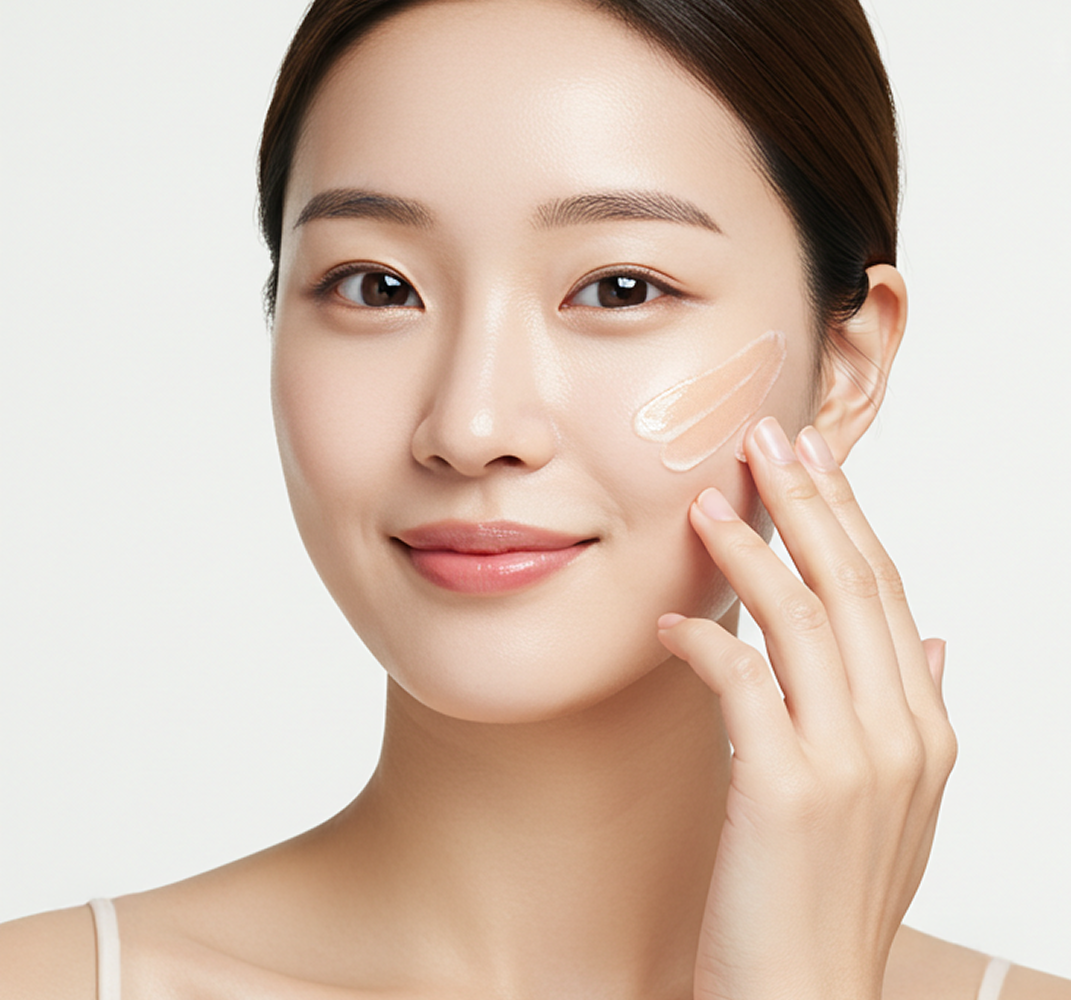
Why Your Skin Might Love Bifida Ferment Lysate
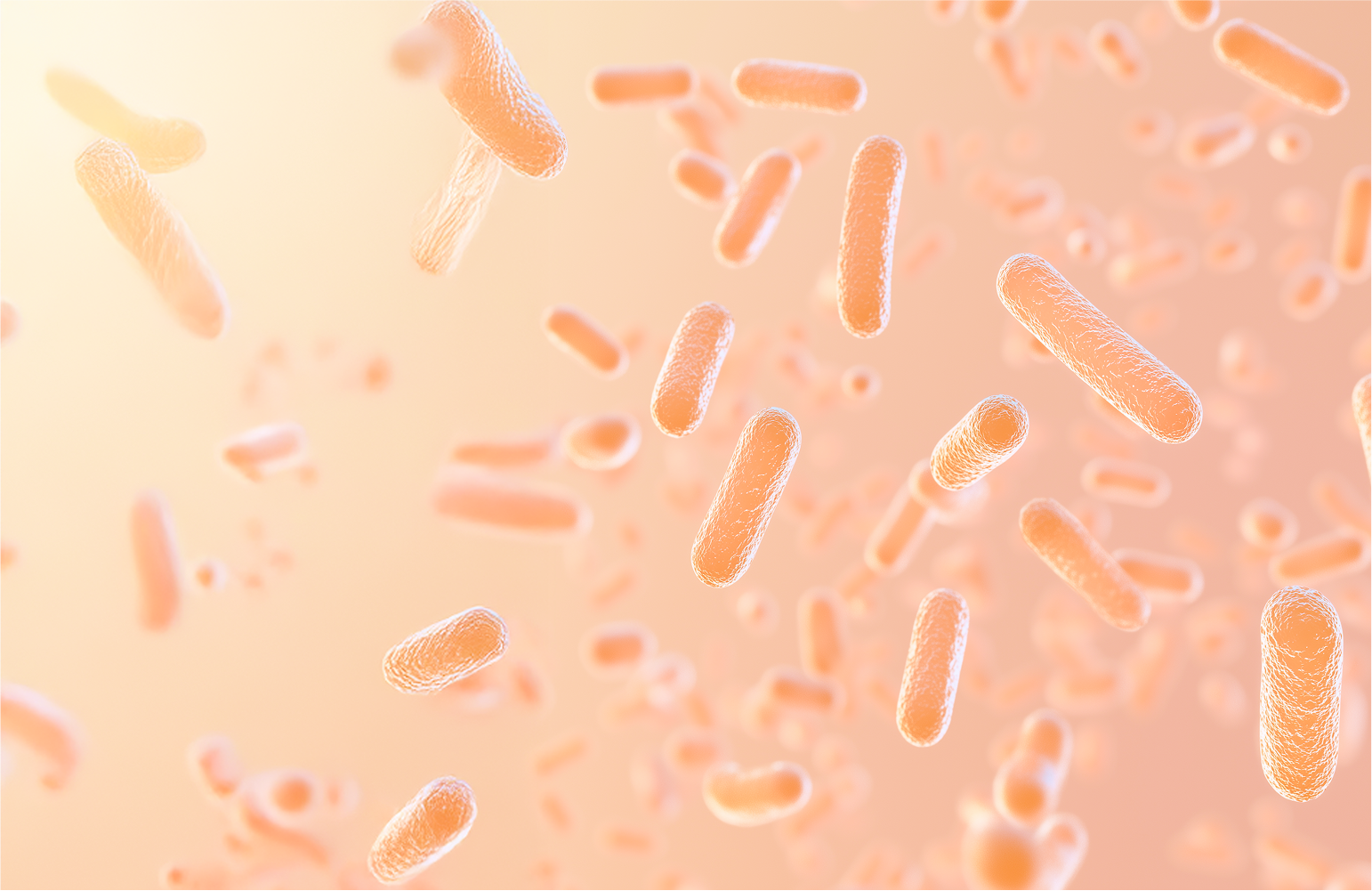
When you first hear that your face cream includes an ingredient made from fermented bacteria, it’s understandable to hesitate. Isn’t that the stuff we’re supposed to wash off our skin?
But in recent years, dermatologists and skin scientists have found that carefully formulated postbiotics—filtered nutrients derived from “good” bacteria—can actually improve the skin barrier. One of the most promising? A humble, science-backed compound called Bifida Ferment Lysate.
Let’s break down what it is, how it works, and why it’s earning a spot in moisturizers designed for sensitive, stressed, or aging skin.

First things first — what is Bifida Ferment Lysate?
Bifida Ferment Lysate is a probiotic-derived skincare ingredient. It’s made by fermenting Bifidobacterium, a type of beneficial bacteria also found in your gut and in some yogurts. During the fermentation process, the bacteria break down into a lysate—a nutrient-rich fluid filled with amino acids, peptides, and vitamins.
Important note: It’s not alive. There are no live cultures in the product. Just the byproducts that help your skin repair itself more efficiently.
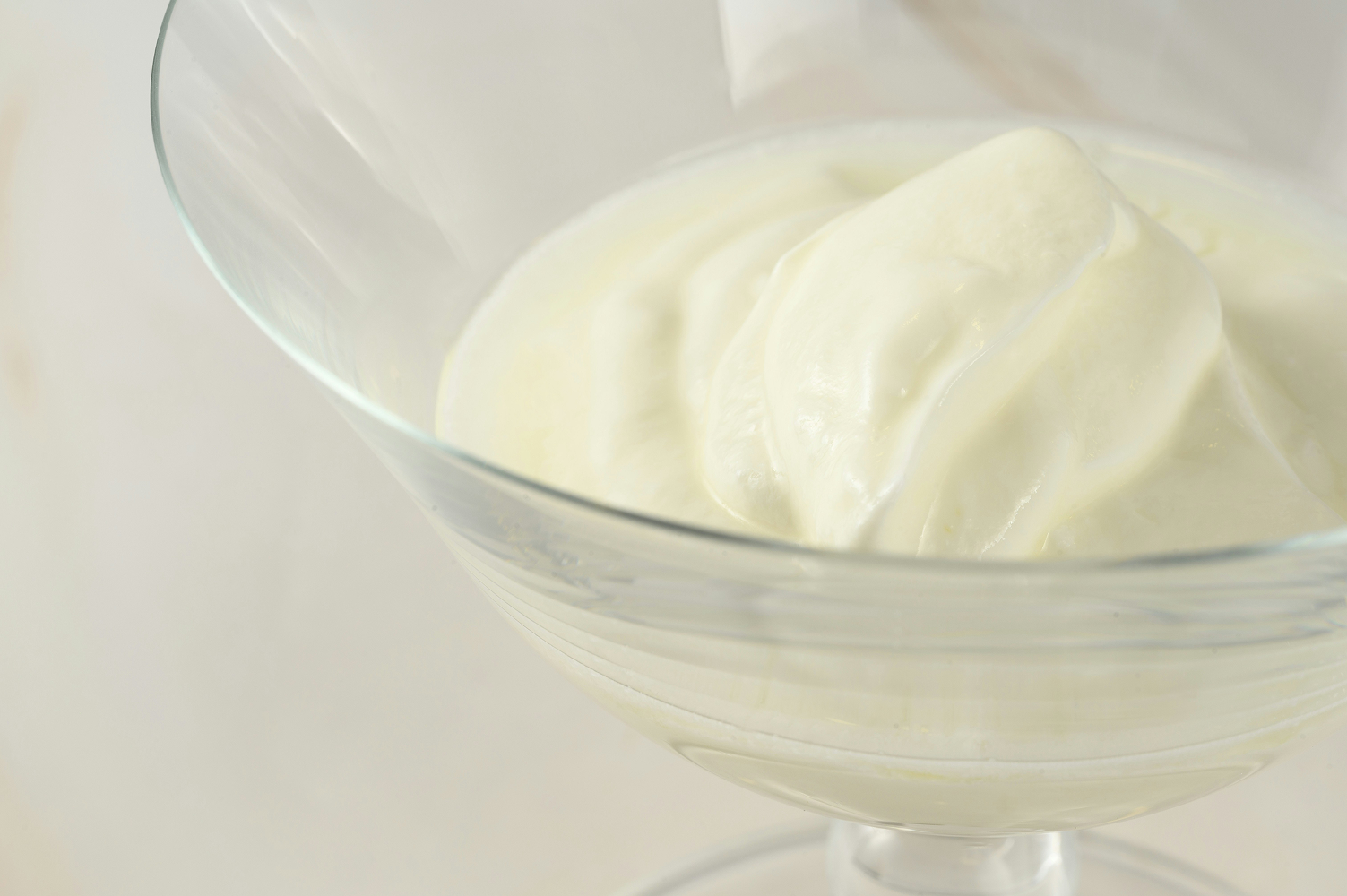
“This sounds like putting yogurt on your face... is it?”
Yes and no. If you’ve ever made a DIY yogurt mask, you’ve already tapped into the idea of probiotics for skin. Yogurt contains live cultures that can temporarily soothe and moisturize.
But Bifida Ferment Lysate is the next step. It’s:
- Filtered and stabilized — no fridge needed.
- Dermatologist-tested — found in high-end and clinical-grade skincare.
- Designed for results — it interacts with your skin’s barrier on a deeper level than yogurt ever could.
Think of it like this: a yogurt mask is the raw, natural idea. Bifida Ferment Lysate is that same idea, refined into something precise, consistent, and effective.
What does it do for your skin?
Here’s where it gets interesting.
Studies show that Bifida Ferment Lysate can:
- Strengthen the skin barrier
It helps repair the outer layer of your skin, reducing sensitivity and boosting resilience.
- Protect against environmental damage
Its antioxidant properties shield skin from stressors like UV rays, pollution, and dry air.
- Improve elasticity and hydration
Over time, it encourages smoother, more supple skin—especially when combined with other hydrating ingredients.
In short, it helps your skin act like its healthiest, most balanced self.
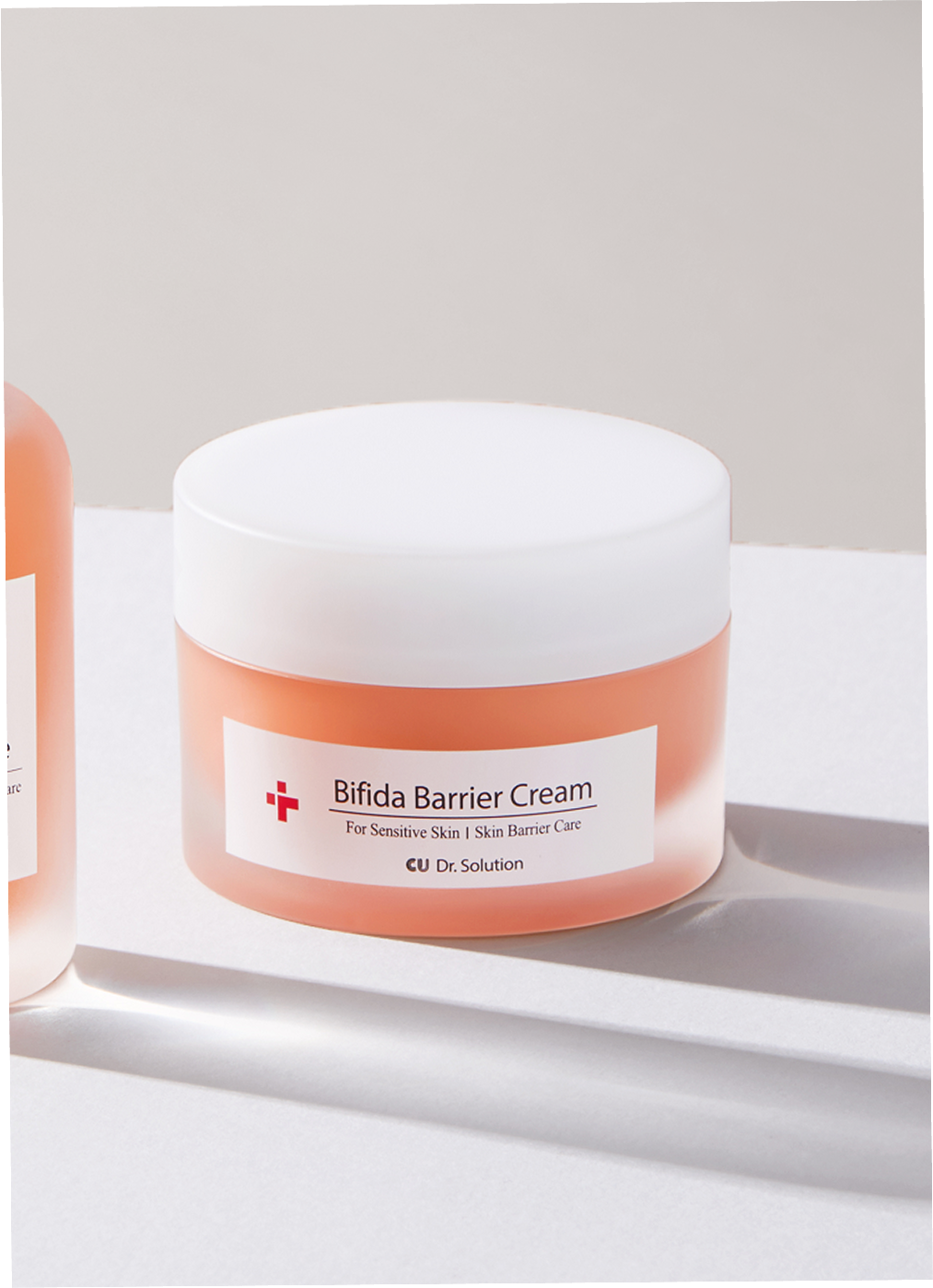
And CU Dr. Solution’s Bifida Cream?
This is where the ingredient really shines.
CU Dr. Solution Bifida Cream uses Bifida Ferment Lysate as its core, but builds around it with a strong supporting cast:
- Ceramide NP – Rebuilds the skin barrier and locks in moisture
- Squalane – Lightweight hydration that mimics your skin’s own oils
- Hyaluronic Acid – Deep hydration that plumps from within
- Niacinamide – Brightens, soothes, and improves texture
- Copper Peptides & Hexapeptides – Support collagen and reduce fine lines
- Macadamia Seed Oil & Shea Butter – Seal everything in with a nourishing, non-greasy finish
It’s also free from fragrance and made for sensitive skin types, making it an easy final step in your routine—especially if your skin is tired, dry, or recovering from over-exfoliation.
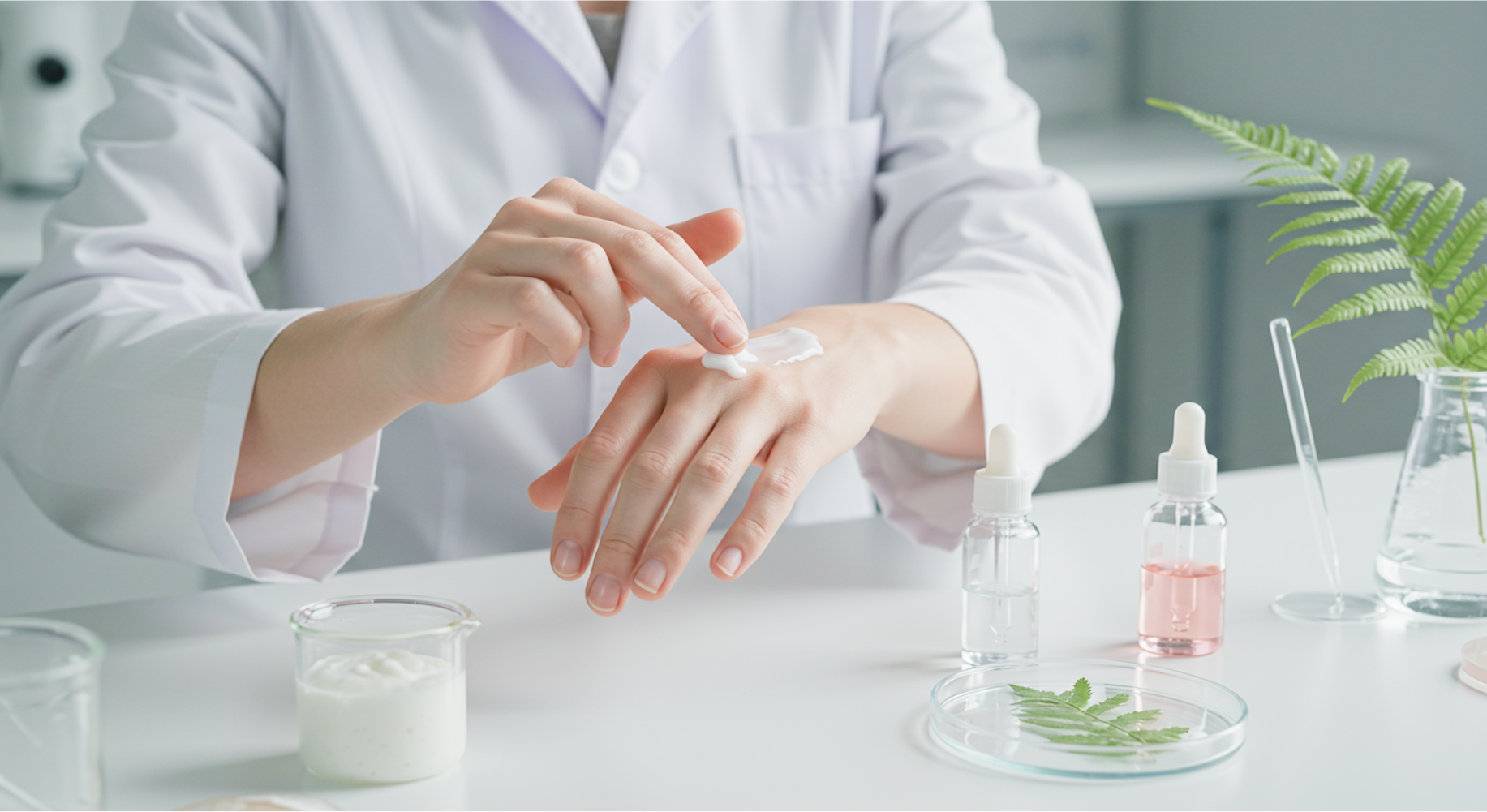
Final Thoughts: What looks like science fiction is actually skincare evolution
What once sounded “gross” or experimental now feels like smart skincare. CU Dr. Solution’s approach isn’t trendy or flashy—it’s based on barrier science, microbiome care, and formulas that quietly do the work behind the scenes.
If you’re looking for a moisturizer that does more than just sit on your skin, this one supports from within.