Status Symbol or Studio Tool: What Luxury Consumer Headphones Are Actually Selling You

BrandsWalk Creative |
You can see the shift most clearly at an airport. Someone wearing headphones around their neck while they order coffee. Someone leaving them on through a boarding announcement they're not actually listening to. Headphones have started functioning less like audio equipment and more like a watch or a pair of sneakers, an accessory that says something about the person wearing it before it plays a single note.

Twenty years ago, that would have looked strange. Expensive headphones belonged almost exclusively to recording engineers and the kind of person who had opinions about open back versus closed back on internet forums. They didn't show up in fashion editorials or on red carpets. Somewhere in the years since, that changed.

The interesting part isn't that headphones got better, though most of them did. It's what companies started competing over. Sound quality became closer to a baseline expectation than a differentiator. The real competition moved into harder territory: design language, cultural signaling, the feeling of what a specific brand says about the person choosing it. Some companies built that instinct into the product from day one. Others had strong engineering and still watched the conversation move past them.

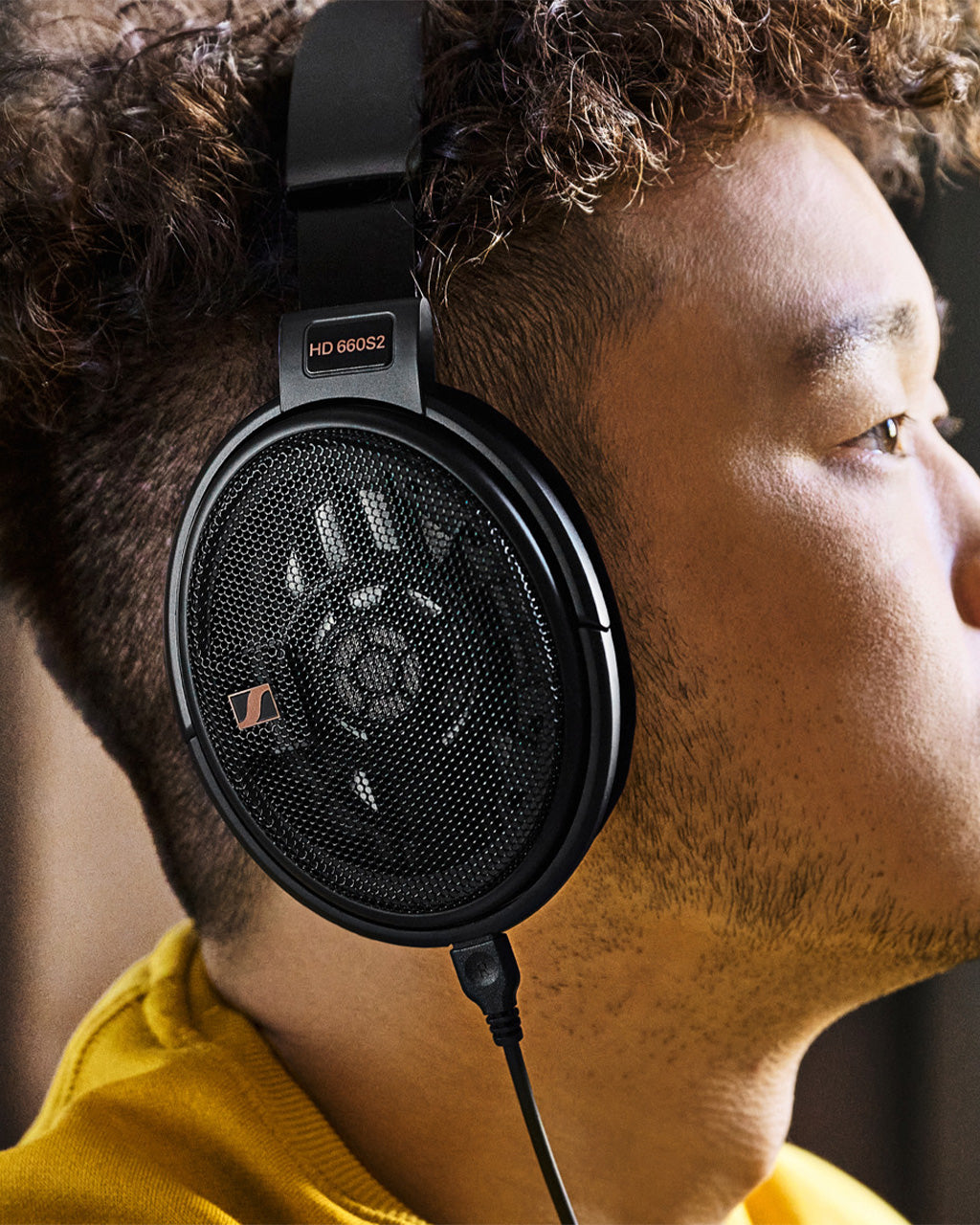
Image | Sennhesier HD480 Pro

What makes this period genuinely interesting is that every brand that succeeded took a completely different route to get there. Beats built a cultural identity before it built acoustic credibility. Bowers & Wilkins spent decades earning trust in recording studios before it ever considered headphones a category worth entering. Bang & Olufsen treated industrial design as inseparable from the technology itself, not packaging around it. Apple didn't have to convince anyone of anything, since the ecosystem was already in people's pockets. Sony never had one defining breakthrough moment, just a refusal to let any generation of a product be worse than the last one before it.

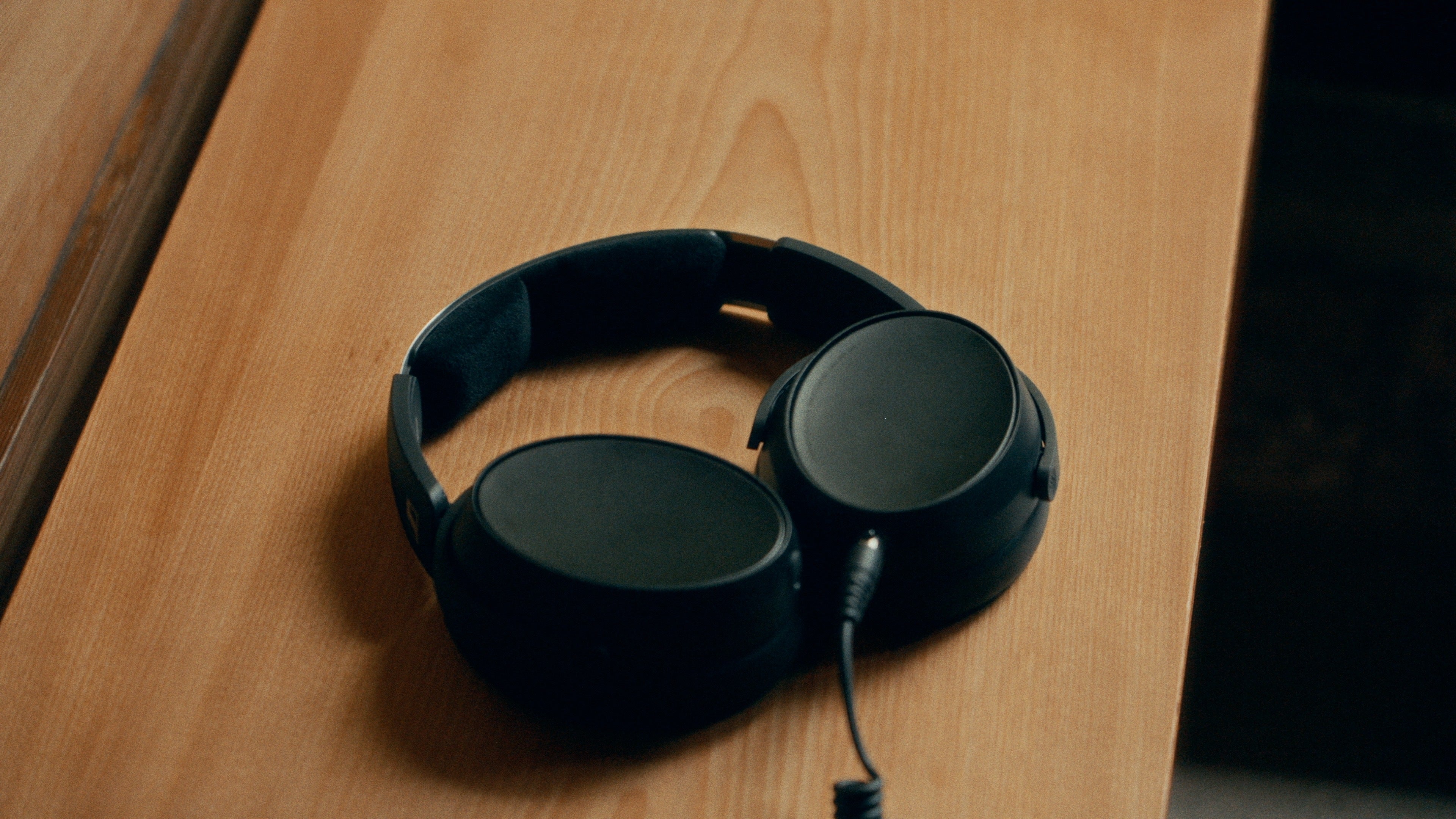
Image | B&O

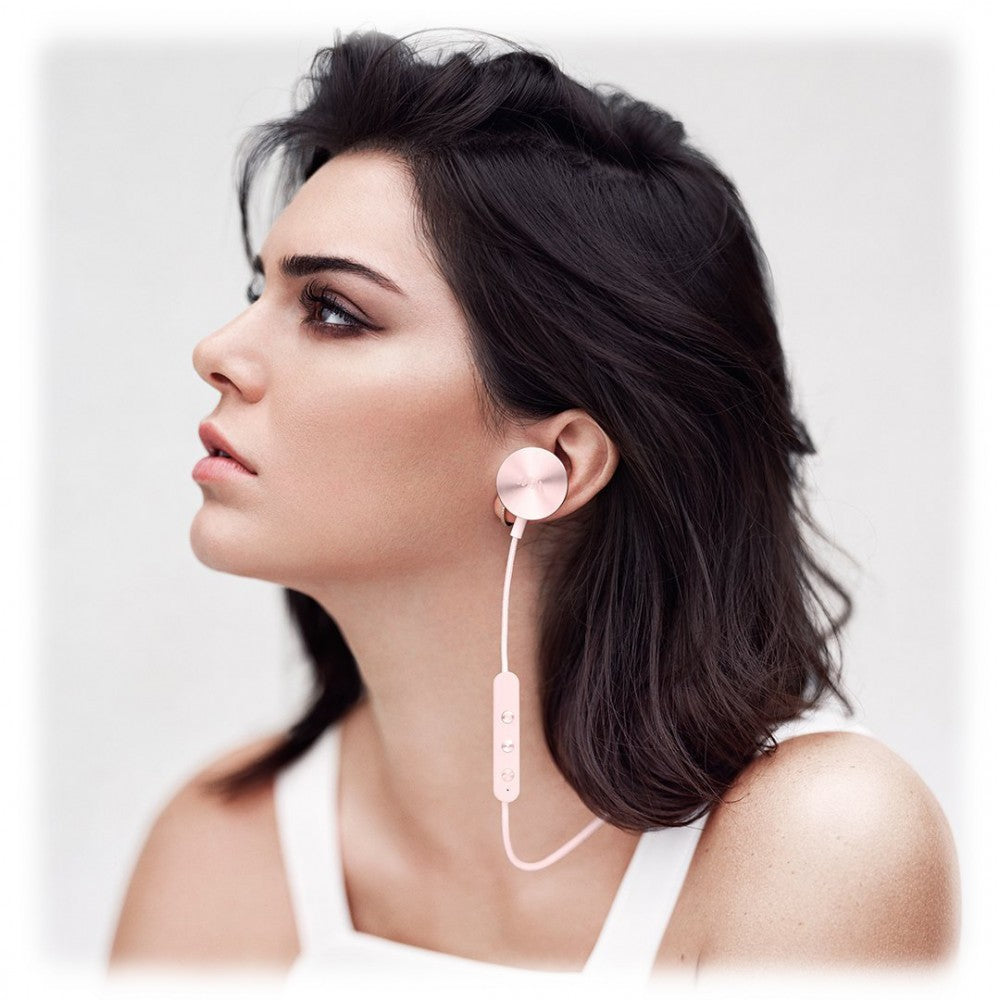
Not every attempt worked. will.i.am's i.am+ had genuine ambition and real industry access, and it still couldn't answer the one question that mattered most: why should someone choose this over what they already trust. Fame introduces a product. It doesn't give anyone a reason to come back to it.

Image | i.am.plu

What ties the successful brands together isn't a shared playbook. It's that each one gave people something specific to believe in, whether that was craftsmanship, convenience, restraint, or consistency, and built the entire product around proving it. As headphones keep evolving, that pattern is unlikely to change. People aren't just buying something to listen to music through anymore. They're choosing what that object says about them, which is exactly why this stopped being a story about audio a long time ago.

Watch | Full Story at BrandsWalk Youtube