Opening in 2026: The Museum

BrandsWalk Creative |
If you are a designer or art enthusiast, 2026 is your year. The global cultural landscape is undergoing a massive architectural expansion, with long-awaited landmarks finally opening their doors. For those who track the intersection of form, function, and human experience, these destinations are essential for your travel itinerary. Image: L'Observatoire International  Projects 

LACMA: David Geffen Galleries (April 2026)

  • Designer: Peter Zumthor.
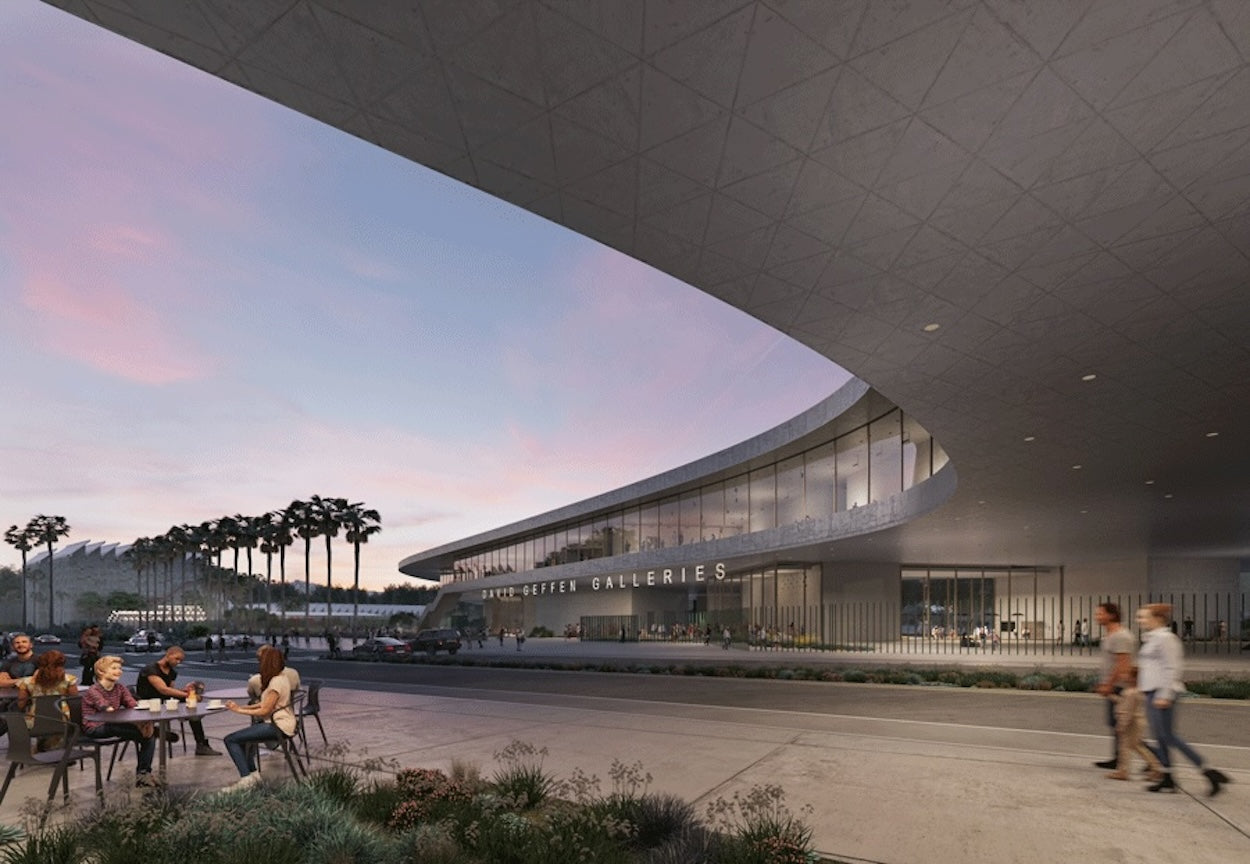
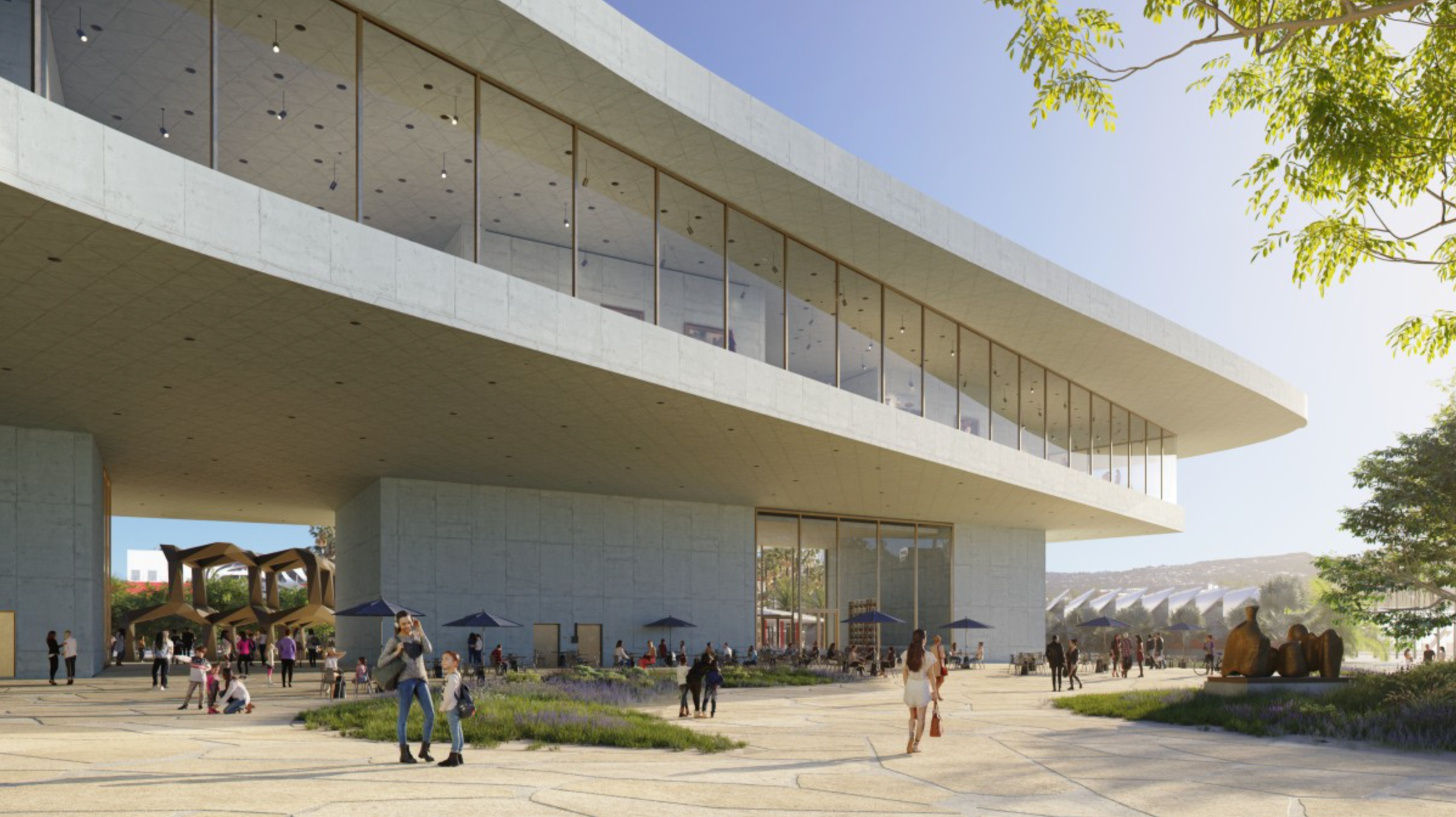
  • Architectural Intent: This horizontal, glass-and-concrete structure straddles Wilshire Boulevard on eight pavilions. It eliminates the traditional "museum fortress" feel, creating a porous, non-hierarchical flow that integrates with the surrounding park.
A rendering of the Peter Zumthor-designed LACMA galleries. Courtesy of Atelier Peter Zumthor/The Boundary
  • The Exhibition: The galleries debut with New Humans: Memories of the Future, a massive survey featuring over 150 artists, scientists, and architects exploring the definition of humanity in a technological age.
  • What to Expect: 3.5 acres of new park-like public space, a 10,000-square-foot street-level plaza for outdoor sculpture, and the return of LACMA’s iconic Rodin collection in a dedicated 8,000-square-foot garden.
Exterior view west toward the Resnick Pavilion, Atelier Peter Zumthor/The Boundary

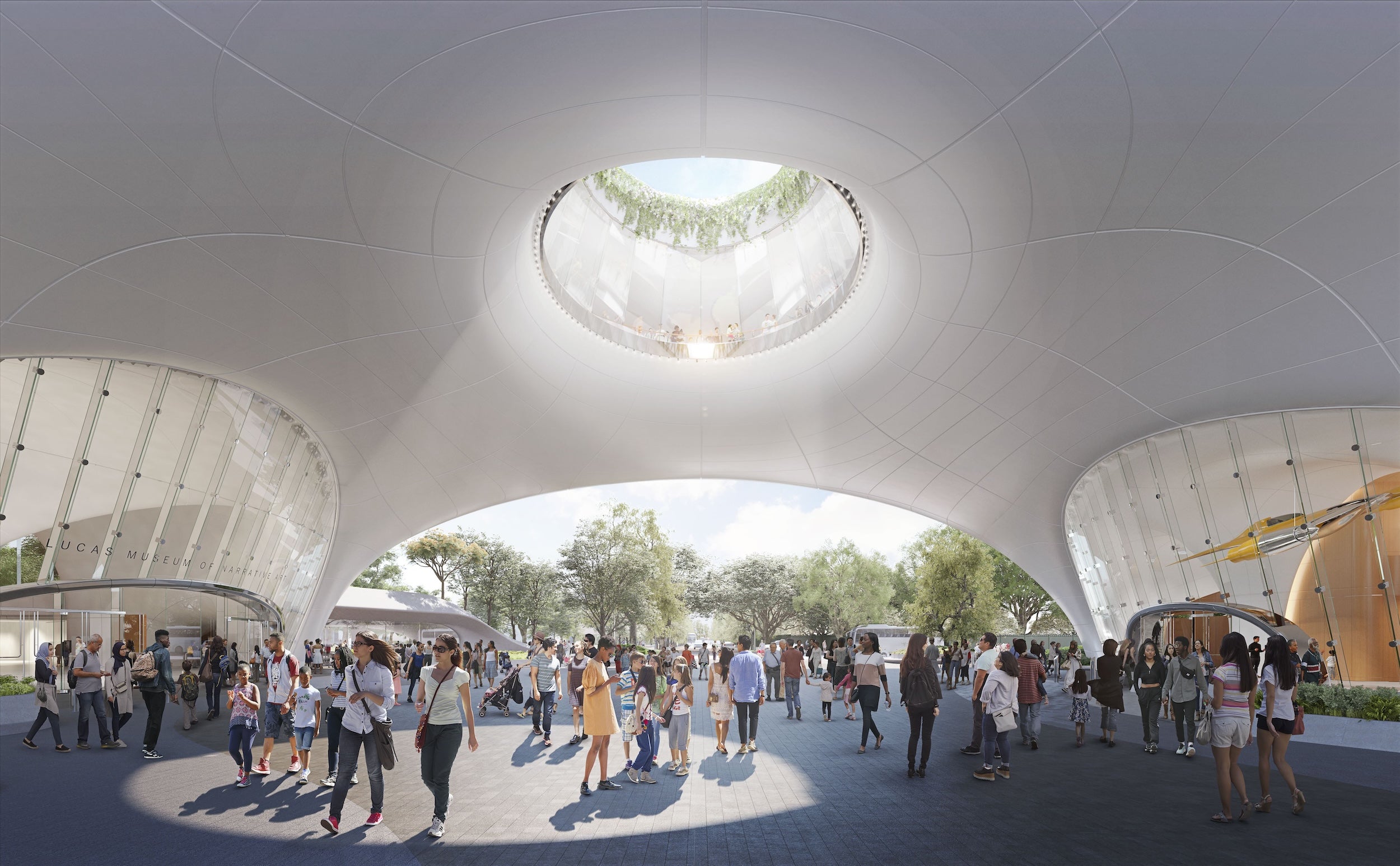
Lucas Museum of Narrative Art (September 22, 2026)

  • Designer: Ma Yansong of MAD Architects.
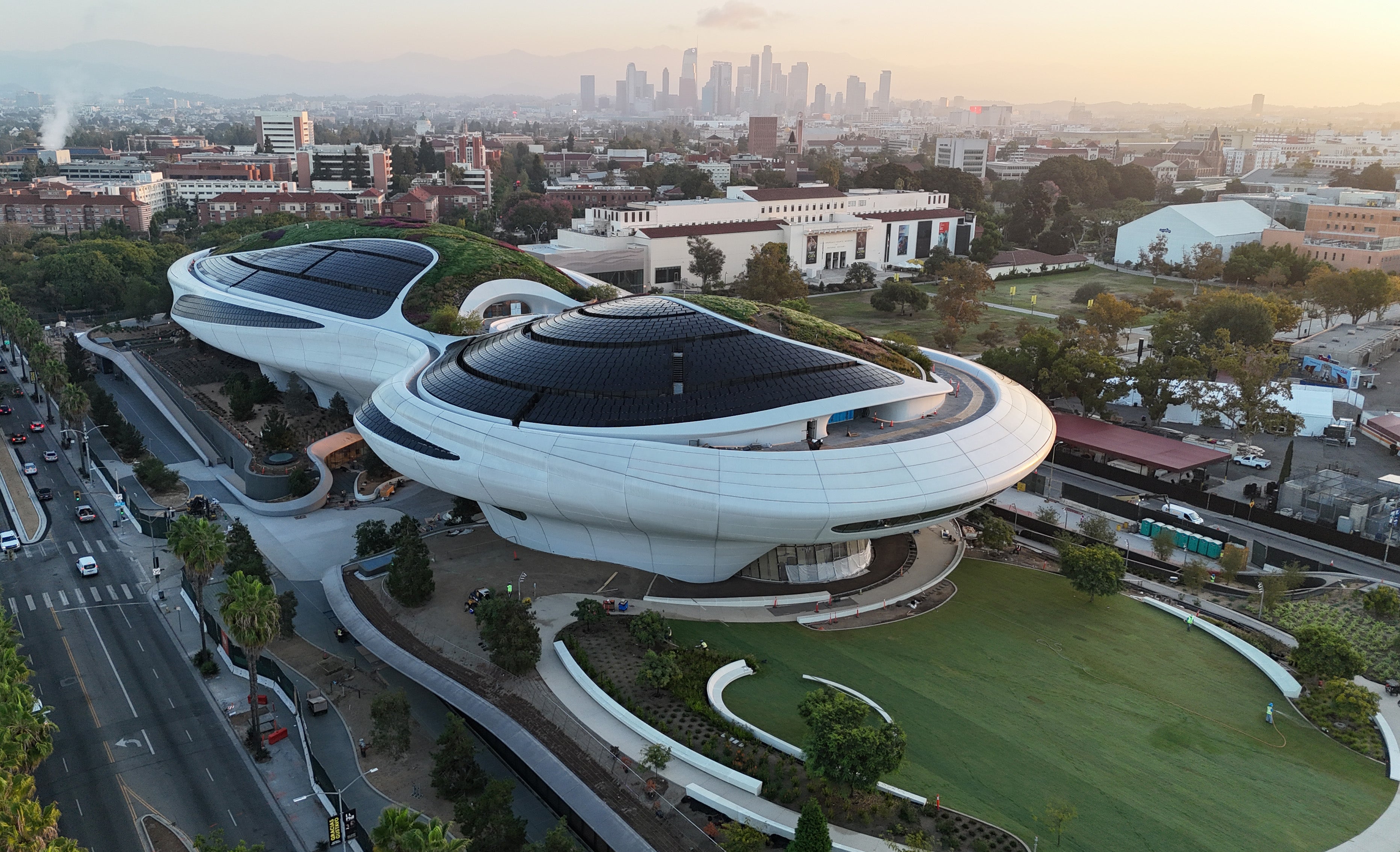
  • Design Rationale: The aerodynamic, sinuous silhouette avoids right angles. It is designed to blend nature with the cityscape, appearing more as a living organism than a building.
  • Exhibition Highlights: The collection holds 40,000 works, including Norman Rockwell paintings, Frida Kahlo’s Self-Portrait with Curly Hair, and original concept art and props from Star Wars and Indiana Jones.
  • Special Features: A massive rooftop garden and two state-of-the-art theaters designed for cinematic storytelling.
Creator: The Lucas Museum of Narrative Art  Copyright: © dbox

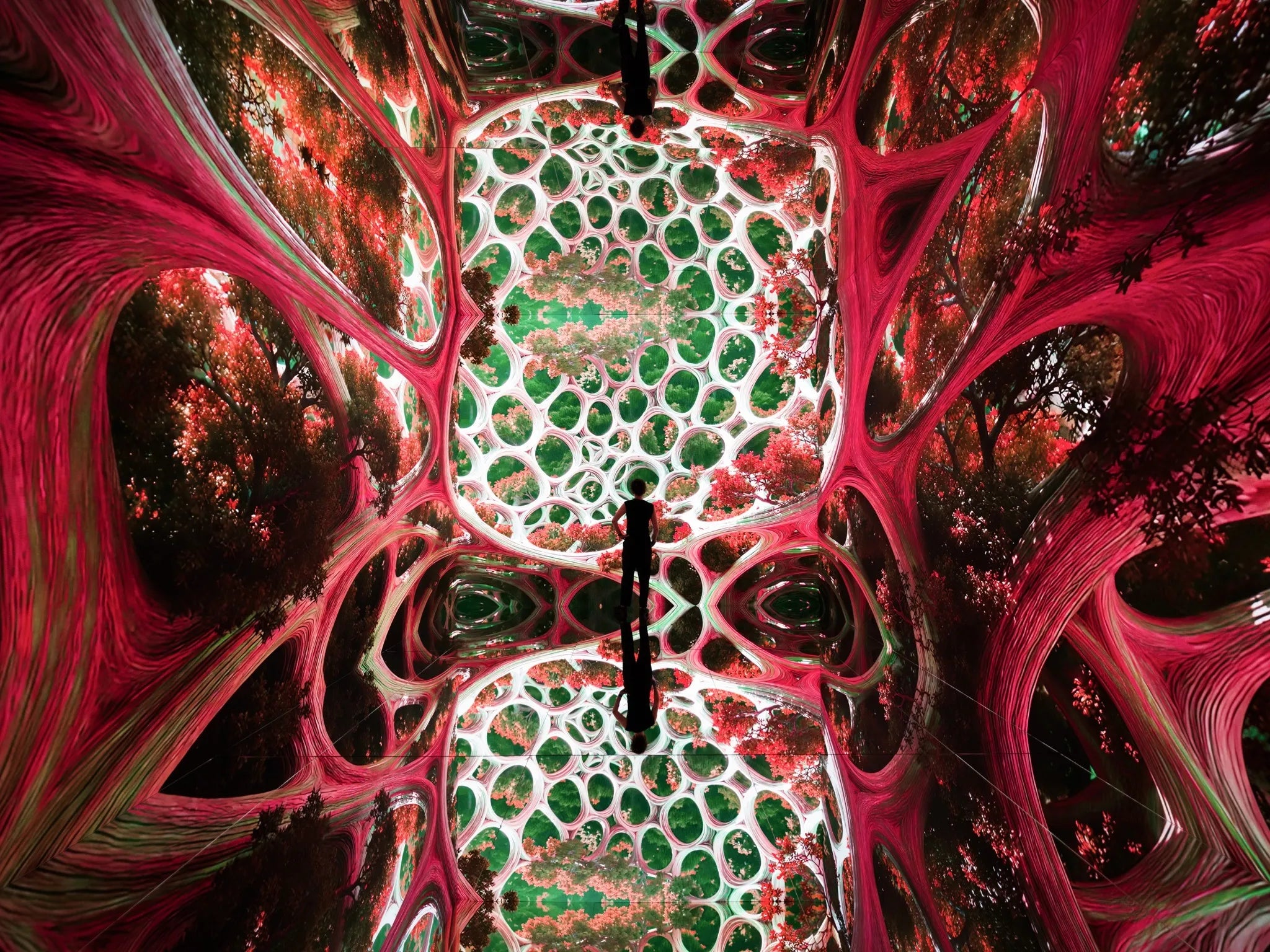
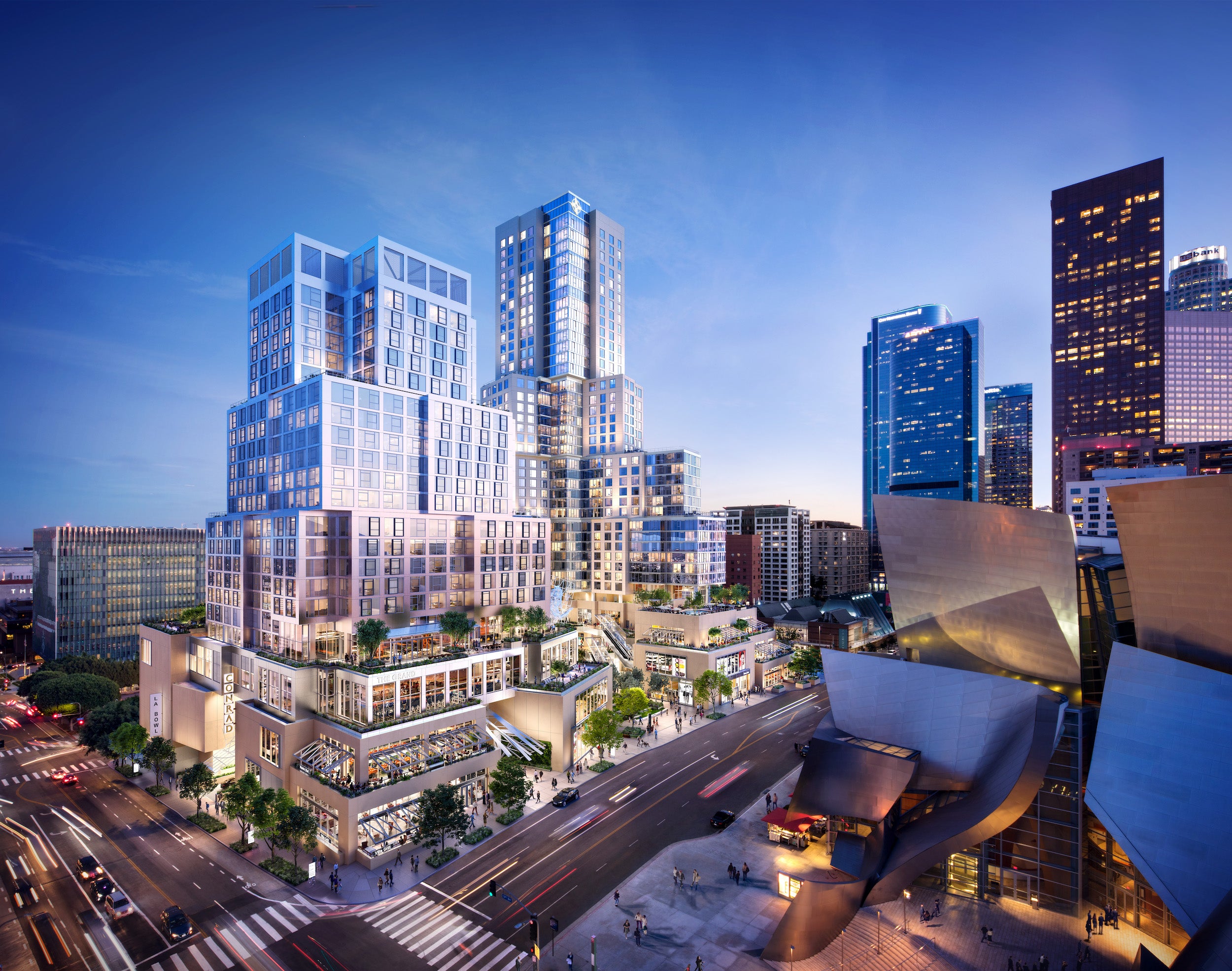
DATALAND (Spring 2026)

  • Designer: Refik Anadol Studio in collaboration with Gensler and Arup.
  • Design Rationale: Positioned within Frank Gehry’s The Grand LA, the space is designed as a permanent repository for AI-based creativity and nature-focused datasets.
  • Exhibition Highlights: The inaugural show features the Large Nature Model, an open-source AI based solely on nature data. It also includes an enhanced version of Anadol’s Infinity Room.
  • Special Features: The world's first immersive environment to utilize "World Models", which is the generative AI that understands real-world physics.
Photo: The Grand LA | image © Weldon Brewster

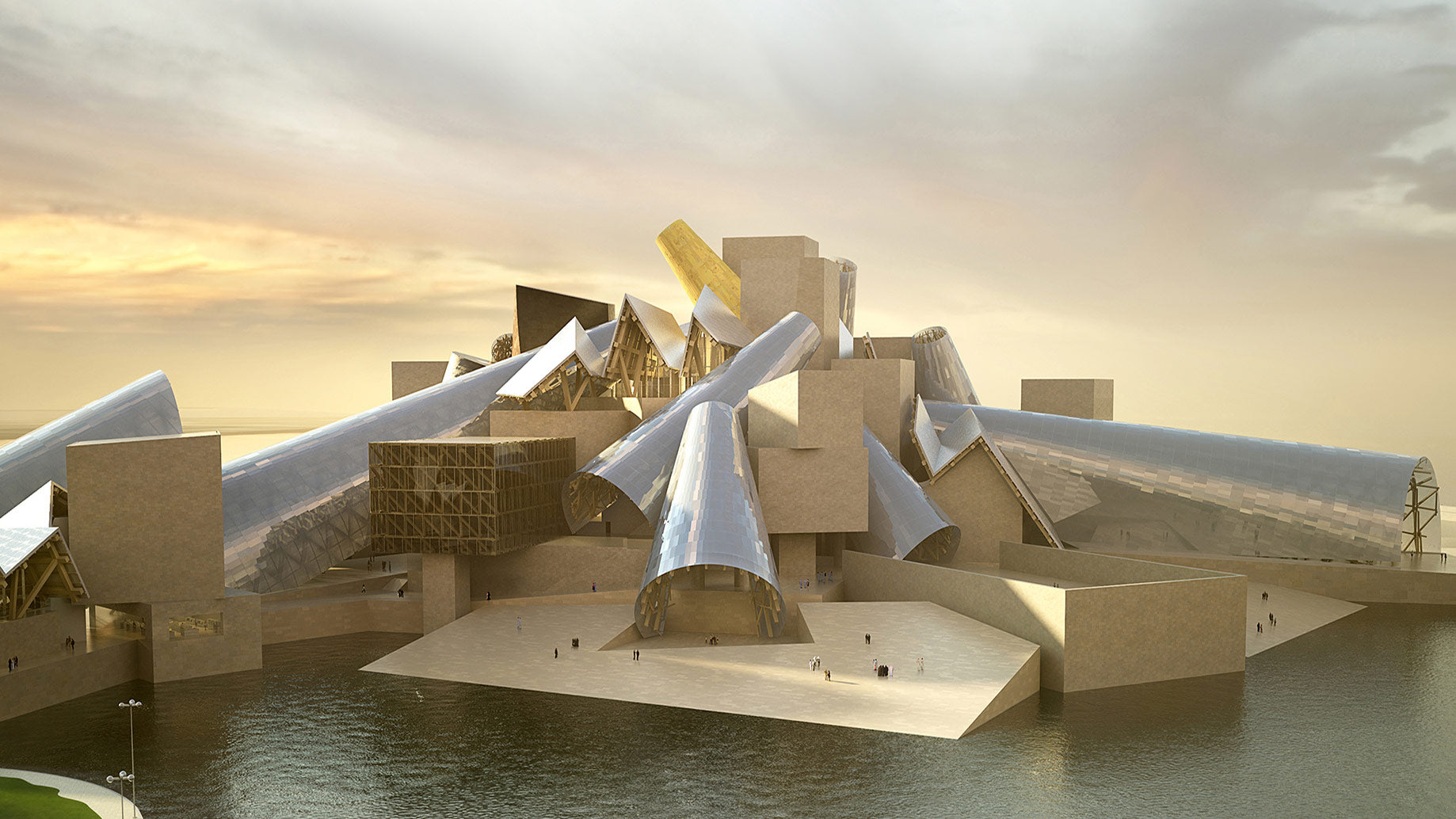
Guggenheim Abu Dhabi (Late 2026)

  • Designer: Frank Gehry.
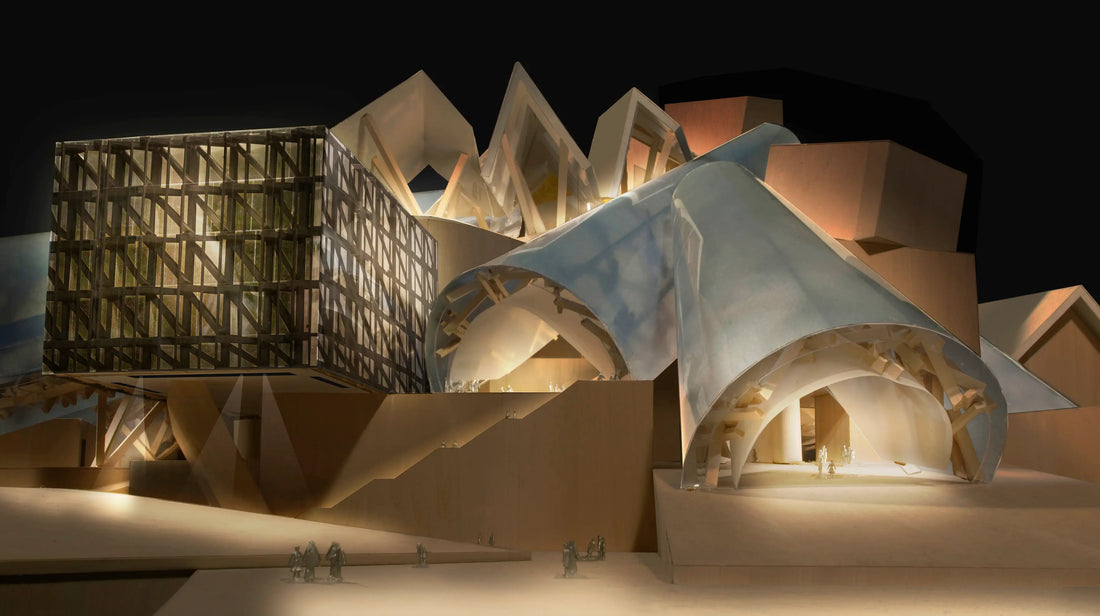
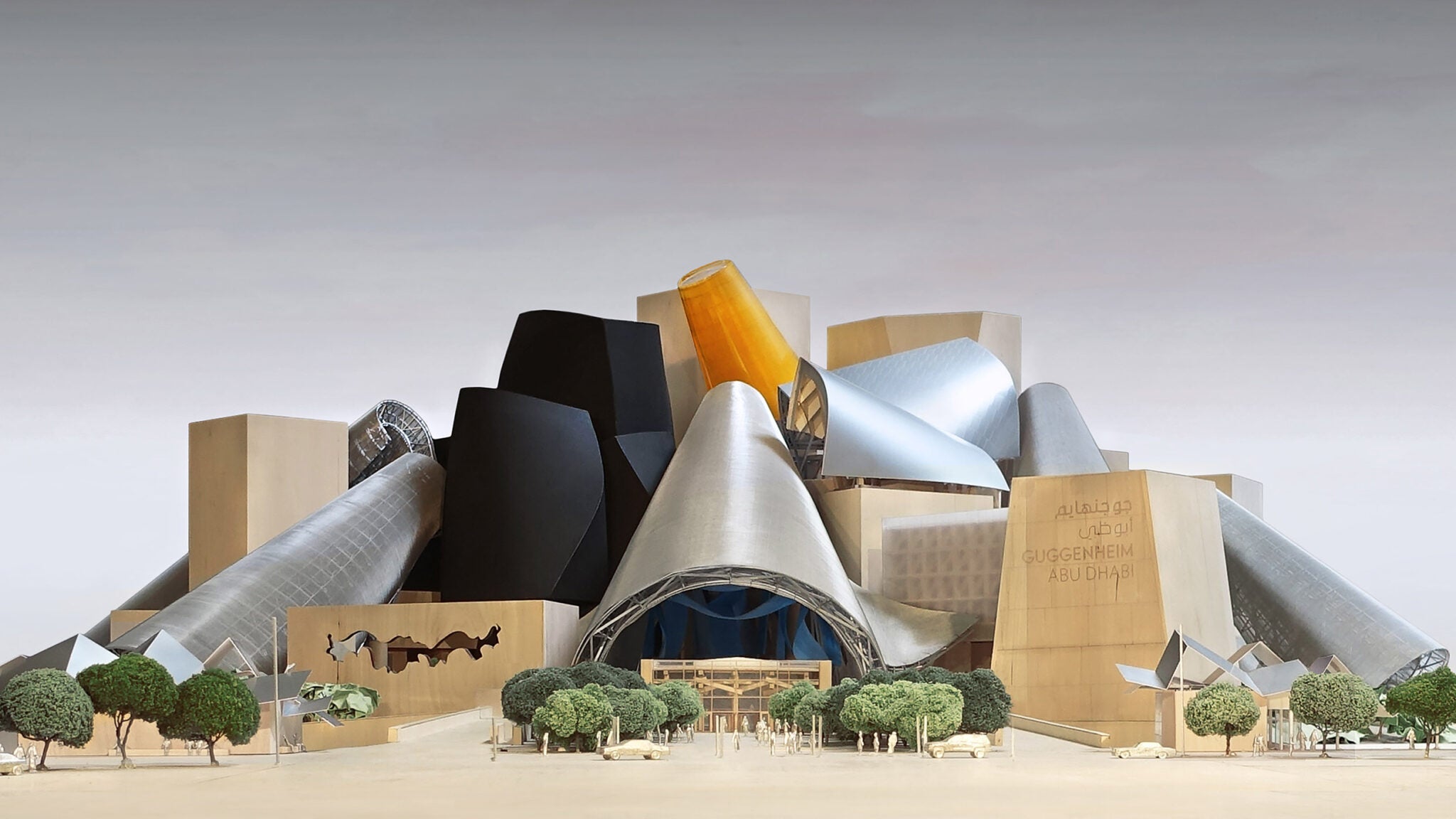
  • Design Rationale: The design deconstructs the traditional museum block into a cluster of cones and galleries. These shapes reference traditional Islamic wind towers used for natural ventilation.
  • Exhibition Highlights: A survey of Pop art and monographic exhibitions on Robert Rauschenberg and Rashid Johnson.
  • Special Features: This is Gehry’s largest museum project to date, featuring a specialized Rotunda for monumental installations
Photo: Guggenheim Architecture About Us

New Museum Expansion, NYC (March 21, 2026)

  • Designer: OMA (Shohei Shigematsu and Rem Koolhaas).
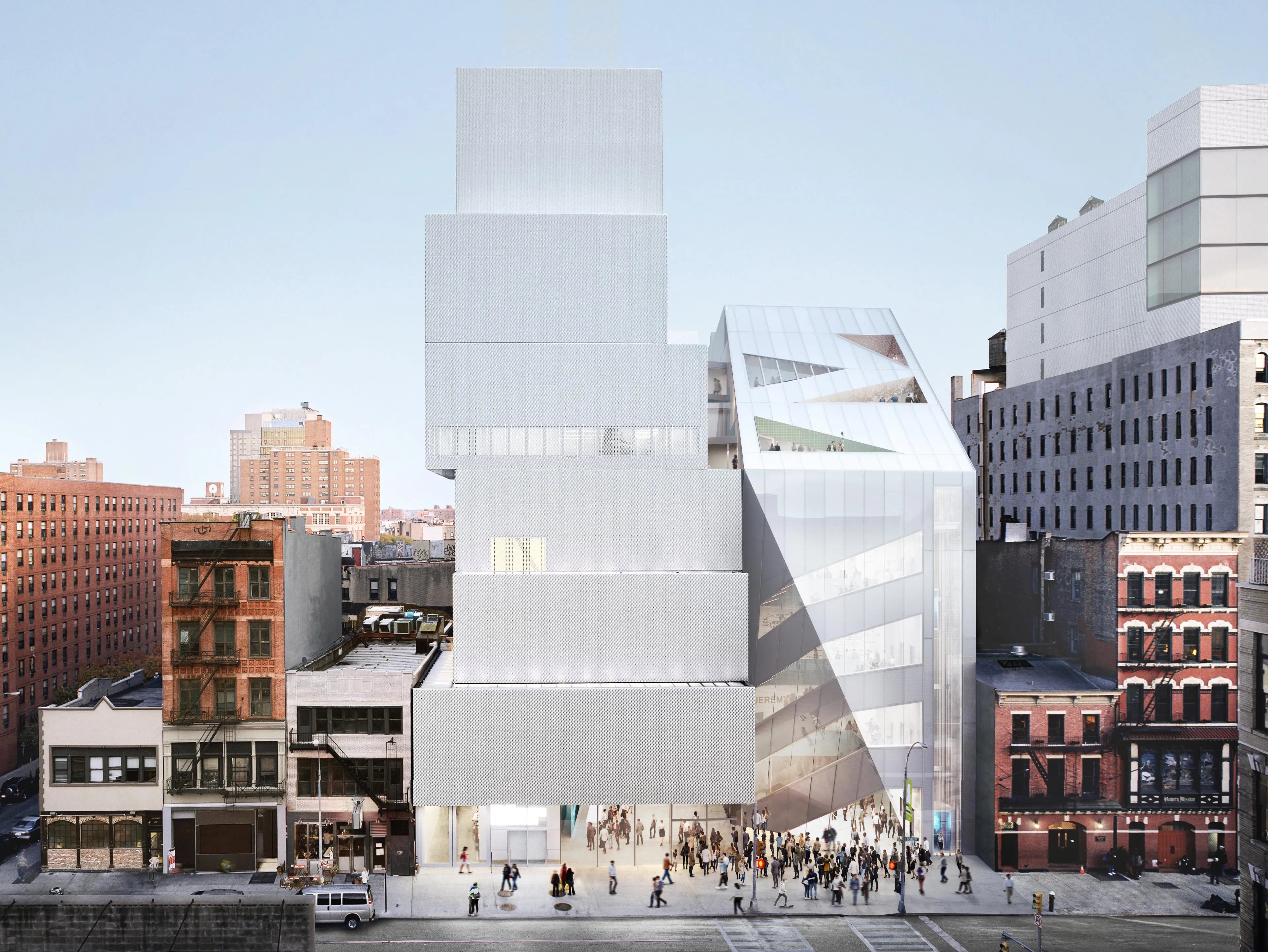
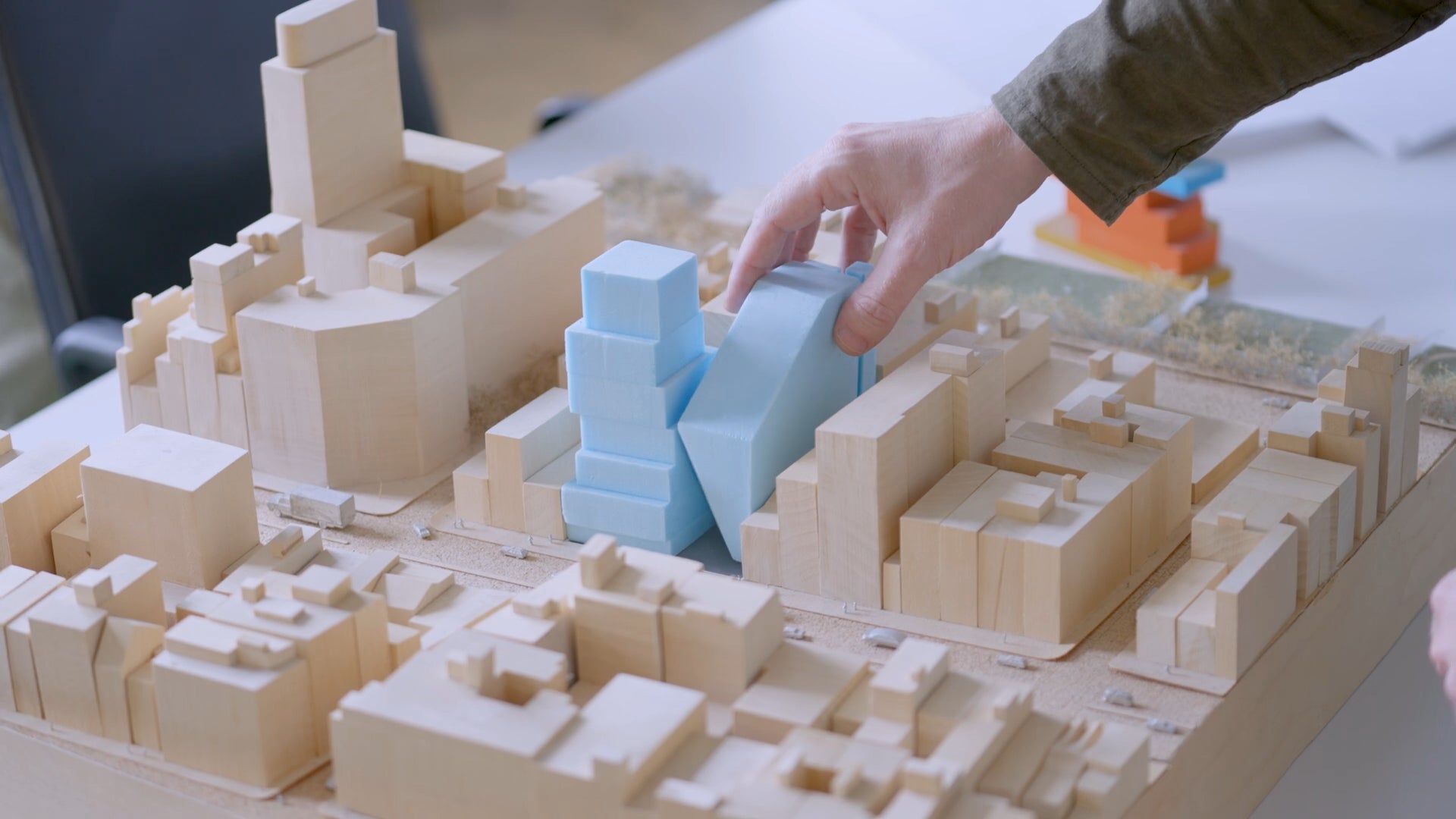
  • Design Rationale: The expansion doubles the museum's footprint without mimicking the original "stacked box" tower. It uses a translucent facade and angular forms to remain visually distinct yet internally integrated.
Image: Rendering courtesy OMA/bloomimage.de | New Museum Building Expansion
  • Exhibition Highlights: New Humans: Memories of the Future explores how technology has reshaped humanity, featuring artists like Anicka Yi and Francis Bacon.
  • Special Features: An expanded 7th-floor Sky Room and a new public atrium stairway that offers framed views of the Bowery.
Image: New Museum Building Expansion

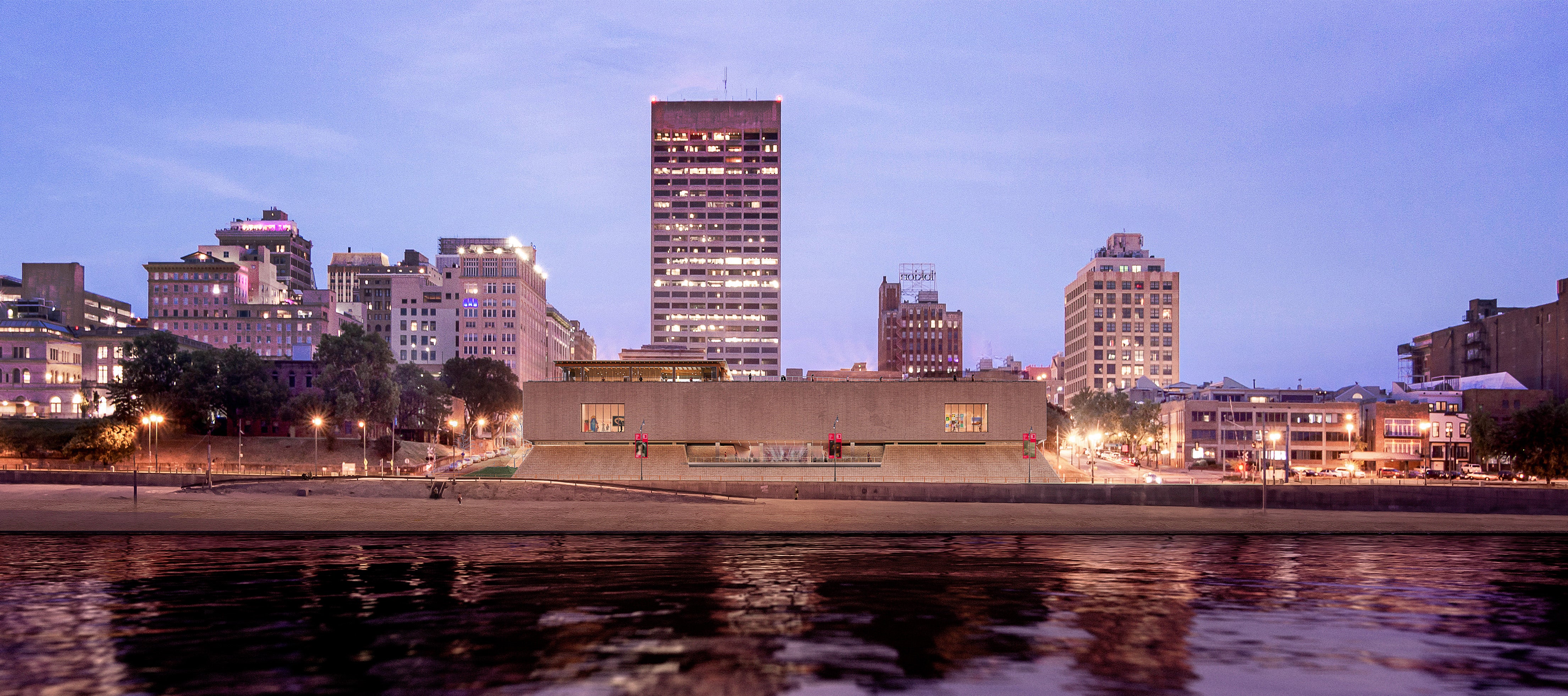
Memphis Art Museum (December 2026)

  • Designer: Herzog & de Meuron.
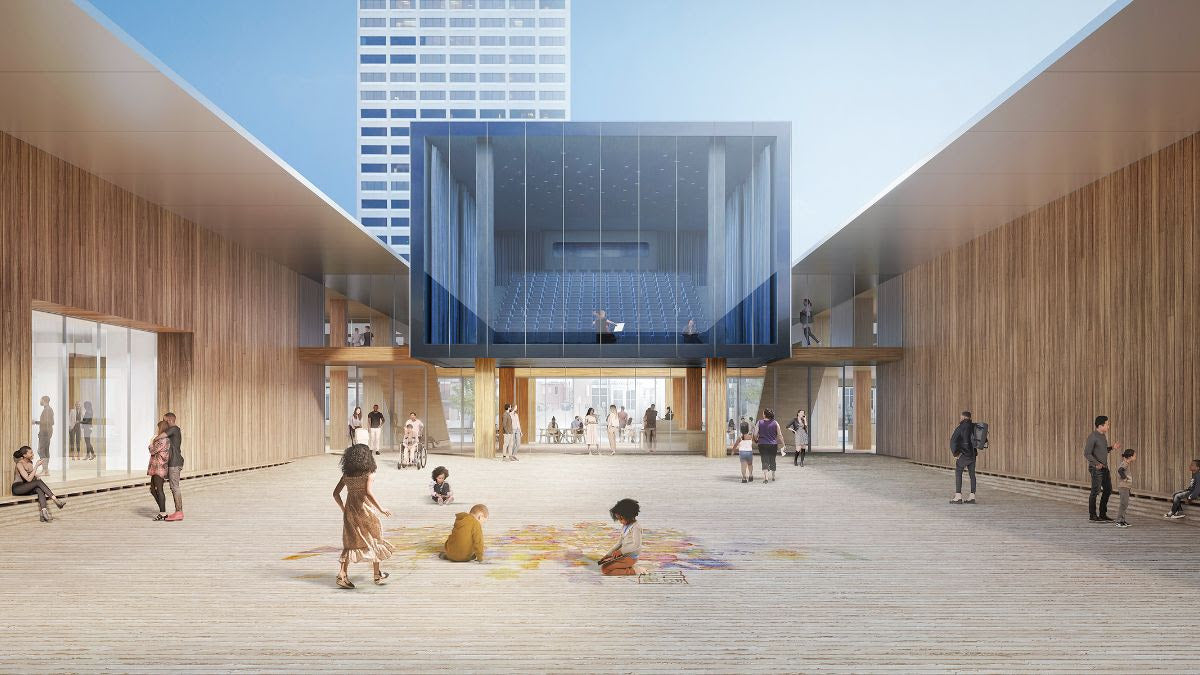
  • Design Rationale: The building is situated on a riverfront bluff. It is designed to be "permeable," with a transparent glass facade that reorients the city toward the Mississippi River.
  • Exhibition Highlights: The museum's first major show, The Music Is Black: A British Story, explores 125 years of Black British music history.
  • Special Features: One of the first major U.S. museums constructed using mass timber (laminated timber) and a massive 50,000-square-foot rooftop sculpture garden.
Photo: Memphis Art Museum Press