The $20 Watch Worn by Billionaires

There is a specific kind of confidence that stops caring about what a watch costs. It doesn't happen early. It happens after someone has spent years proving things, acquiring things, and eventually deciding that the most interesting object on their wrist might be a $20 piece of plastic that tells the time, sets an alarm, and weighs 21 grams.

The Casio F-91W has been worn by tech founders, architects, and people with more money than most of us will see in a lifetime. The watch hasn't changed to accommodate them. They came to it.

Casio was never a watch company
To understand why the F-91W matters, you have to understand what Casio actually is. They are an electronics company. That distinction, which sounds minor, is the entire reason the watch exists the way it does.
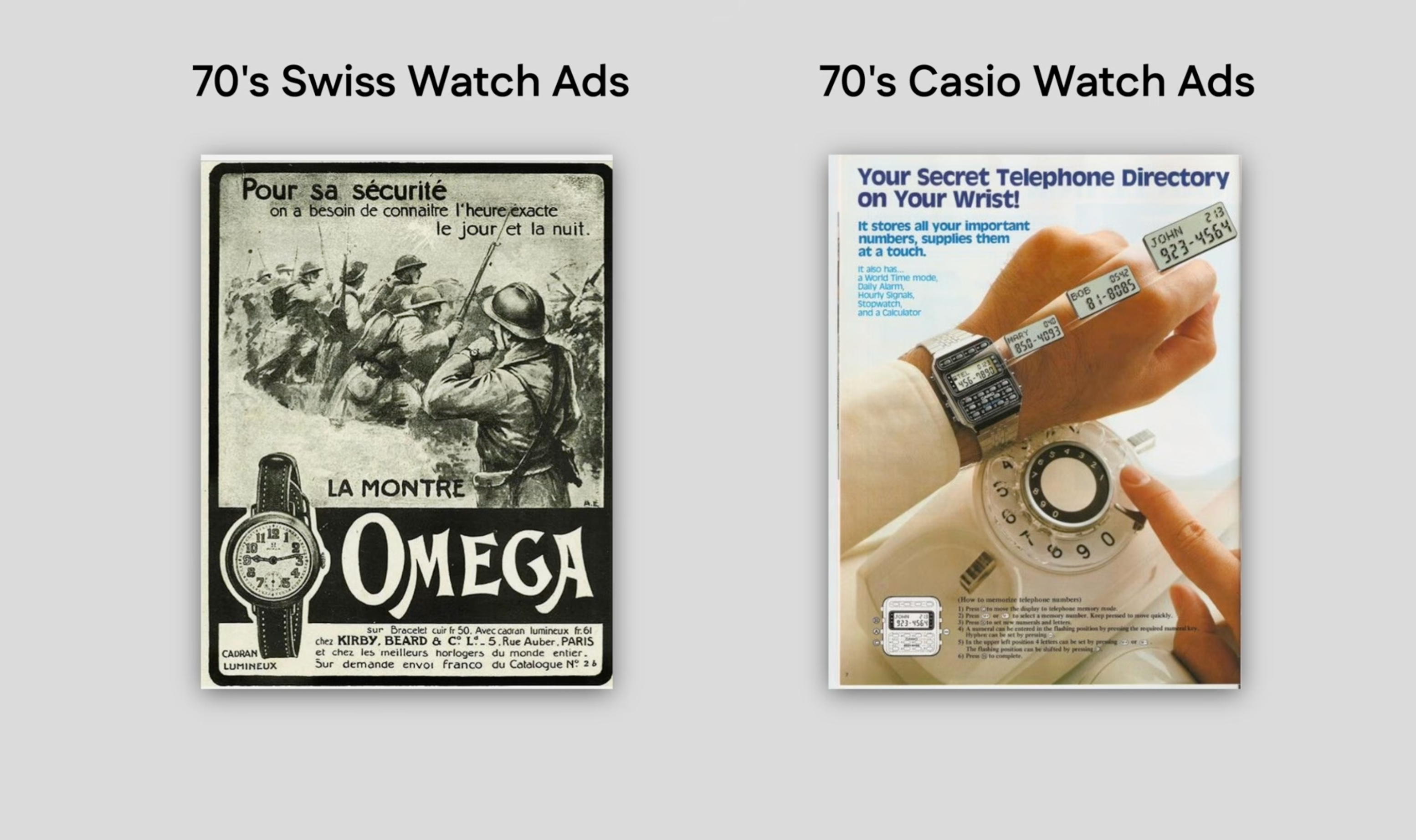
Swiss watchmakers approached the wrist as a site for jewelry and mechanical craft. Casio approached it like a circuit board problem: what does this object need to do, and what is the most efficient way to do it?

In the 1970s, when quartz technology began making mechanical watches look like ornate anachronisms, Casio didn't hesitate. They built calculator watches, world timers, game watches. Objects that were unambiguously tools. The philosophy was function first, accessibility first, technology for everyday people.
The F-91W arrived in 1989 as a direct expression of that philosophy. Not a refinement of it. The expression.

Reduce until only the useful parts remain
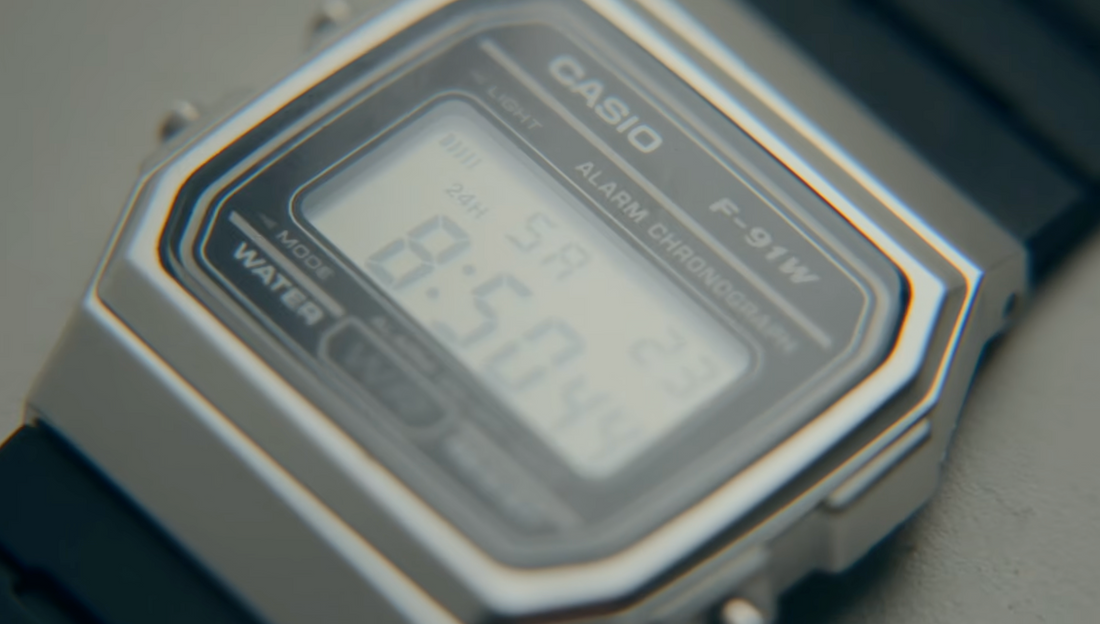
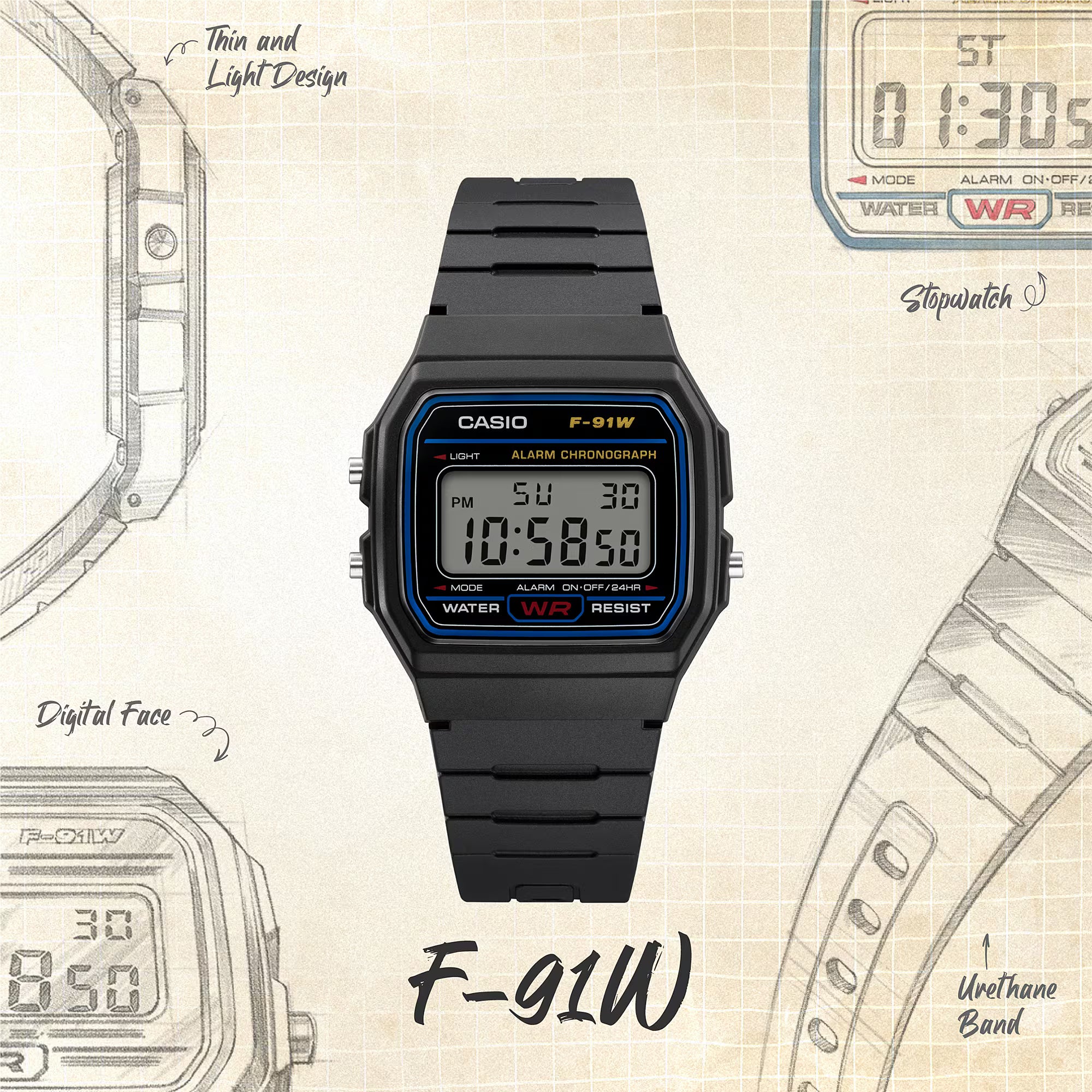
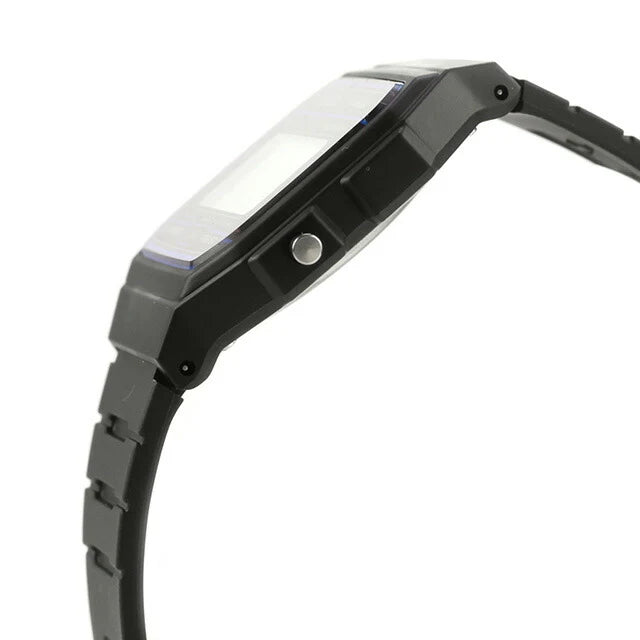
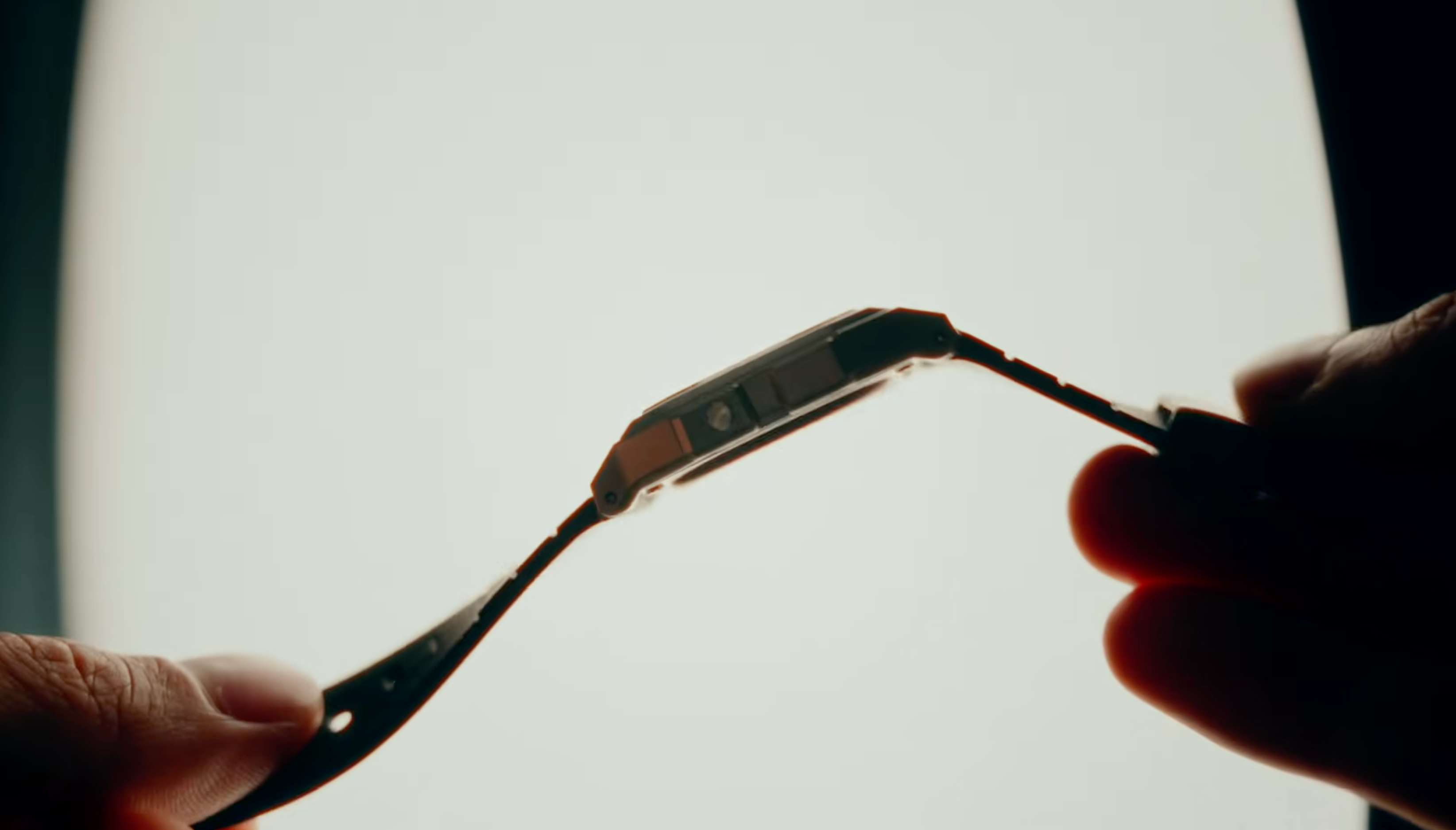
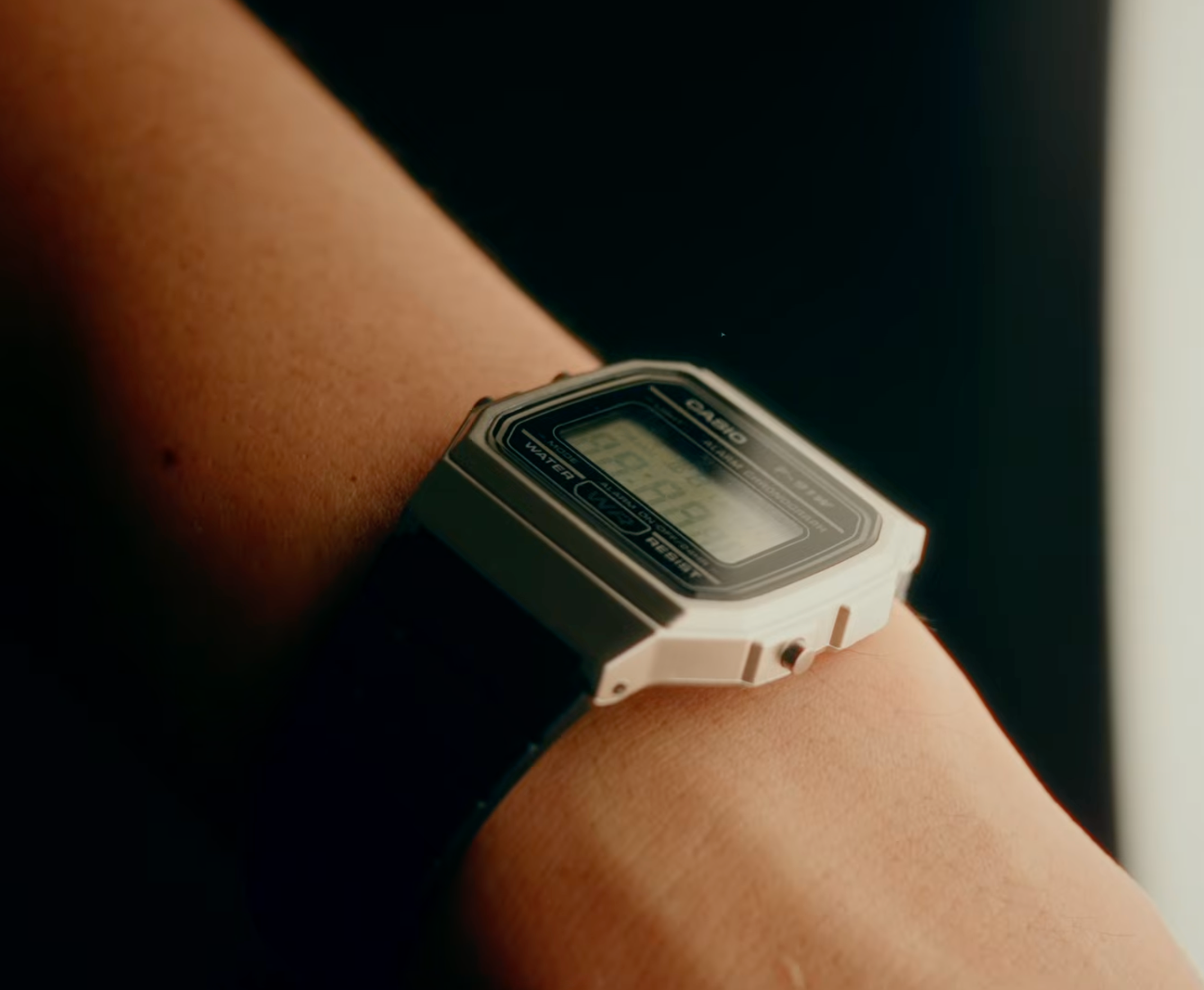
The first thing you notice about the F-91W is how little there is. No polished steel. No sapphire crystal. No decorative finishing. The case is resin. The strap is resin. The crystal is acrylic. It weighs 21 grams, which means it almost disappears on your wrist.

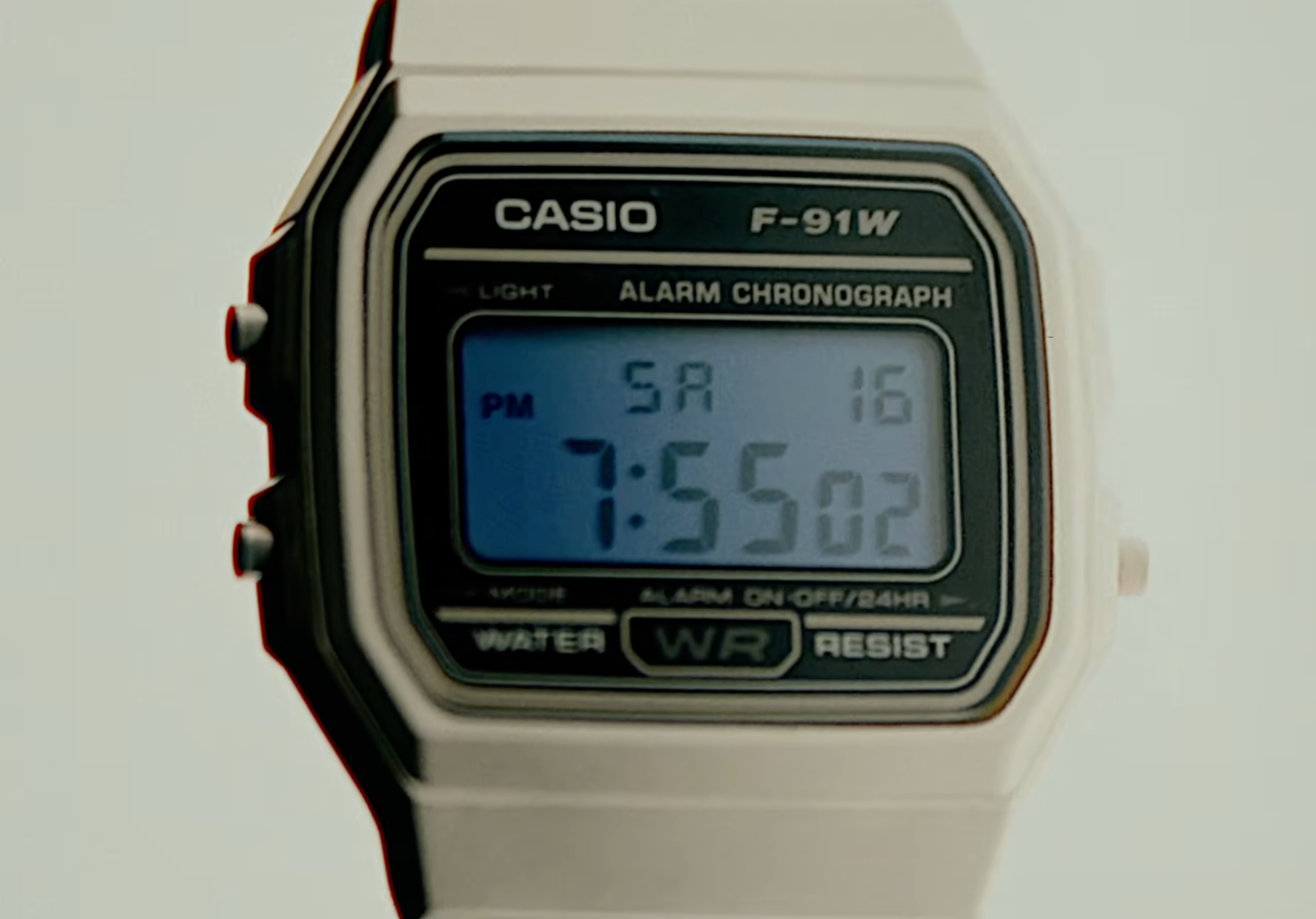
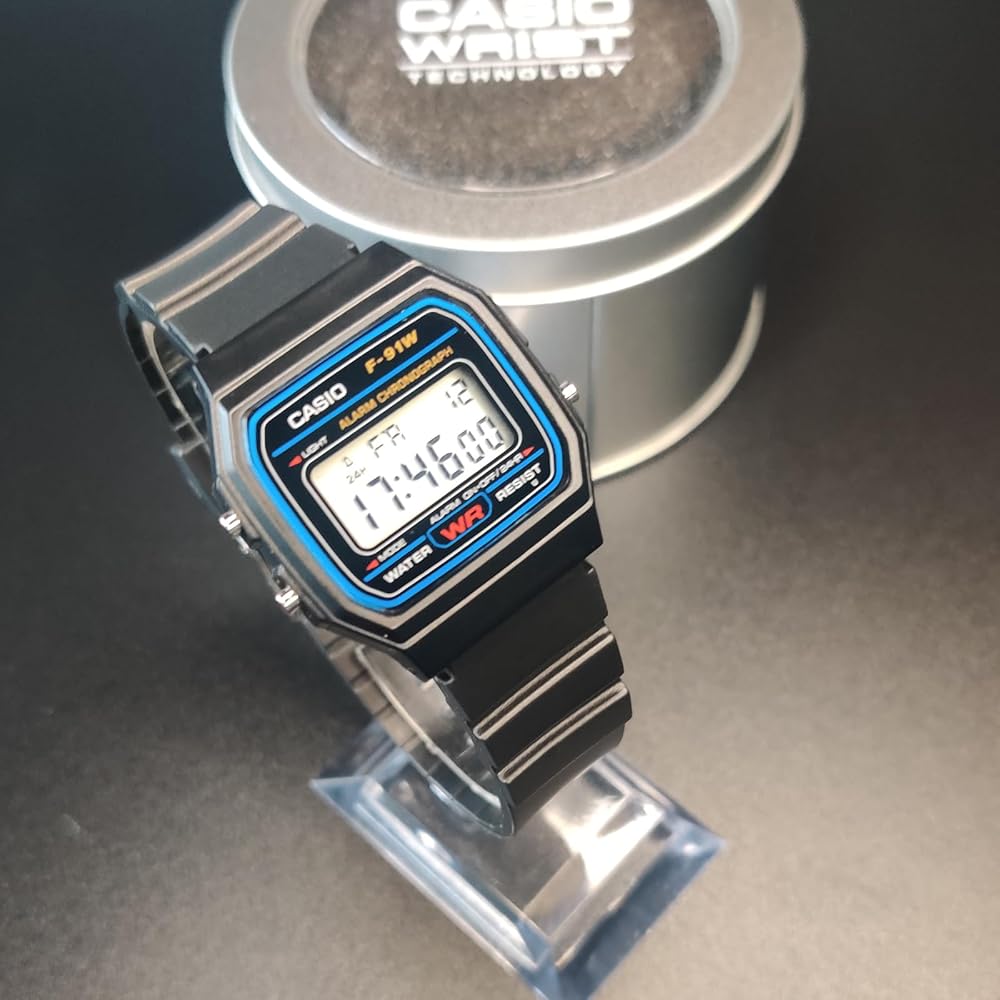
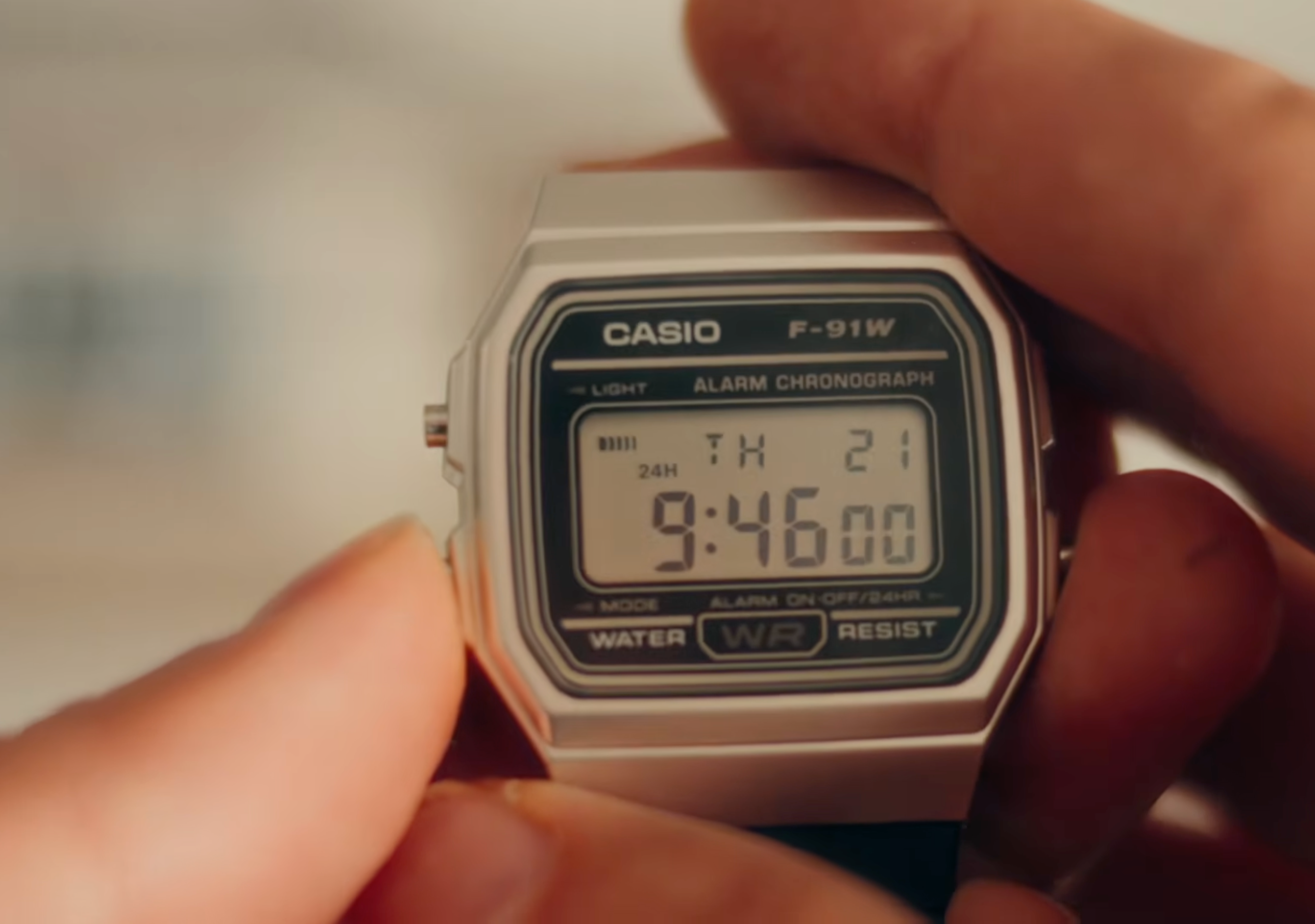
None of this is accidental. The proportions are balanced. The typography is immediately legible. The thin blue line around the display gives the face just enough personality without crossing into decoration. Even the small red "ALARM CHRONOGRAPH" text is doing something: without it, the watch would read as purely clinical. With it, there is identity.

Every button is labeled with its function. "Light." "Mode." "Alarm." No learning curve. No ambiguity. This is the central logic of Japanese industrial design at its most disciplined: reduce the object until only the useful parts remain, and trust that clarity will produce its own aesthetic.
"Simplicity ages slower than trends. The F-91W is proof."
The watch is now 35 years old and it does not look dated. That is not a coincidence. It is what happens when a design is grounded in function rather than the aesthetics of a particular moment.

100 million units, and a seven-year battery
The F-91W has reportedly sold over 100 million units. The battery lasts seven years. No charging cable. No software updates. No notifications asking for your attention. In 2026, that restraint is its own kind of design statement. Most technology is built around capturing time. The F-91W is built around returning it.

It's just good
Wear the F-91W for a week and the thing that stays with you is how little it demands. The buttons feel deliberate. The backlight is dim enough to be charming rather than useful. The alarm will wake the person next to you before it fully registers on your wrist. None of this has been fixed because fixing it would change what the watch is.

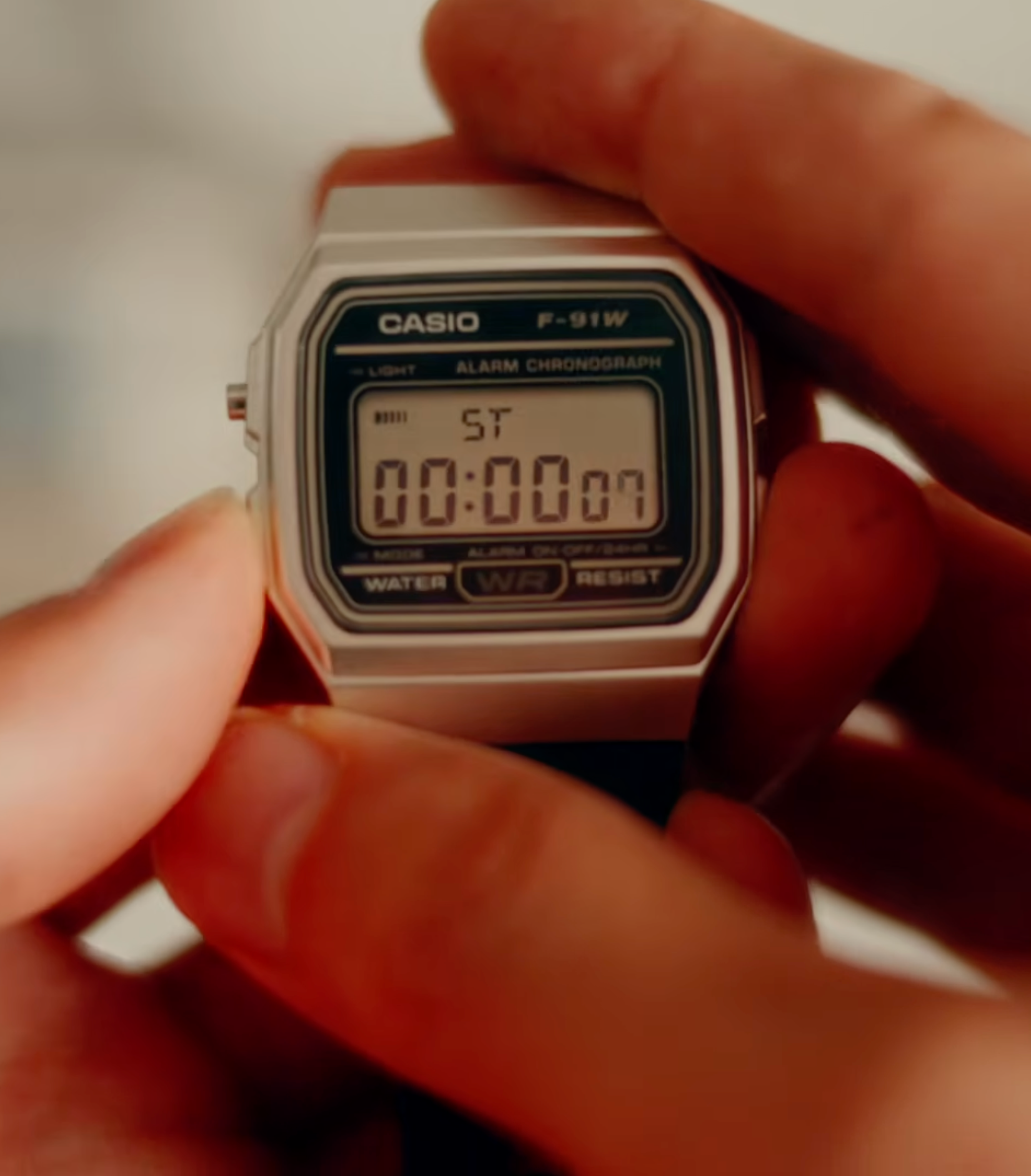
It tracks a stopwatch. It sets an alarm. It tells the time. And it has outlasted dozens of smarter, more capable, more expensive devices that were supposed to make it obsolete.
The F-91W's real argument isn't about price. It's about what happens when a product is designed to do exactly what it promises, and nothing more. Most objects want to become something else. The Casio F-91W never did. That's why people who could wear anything still choose to wear it.