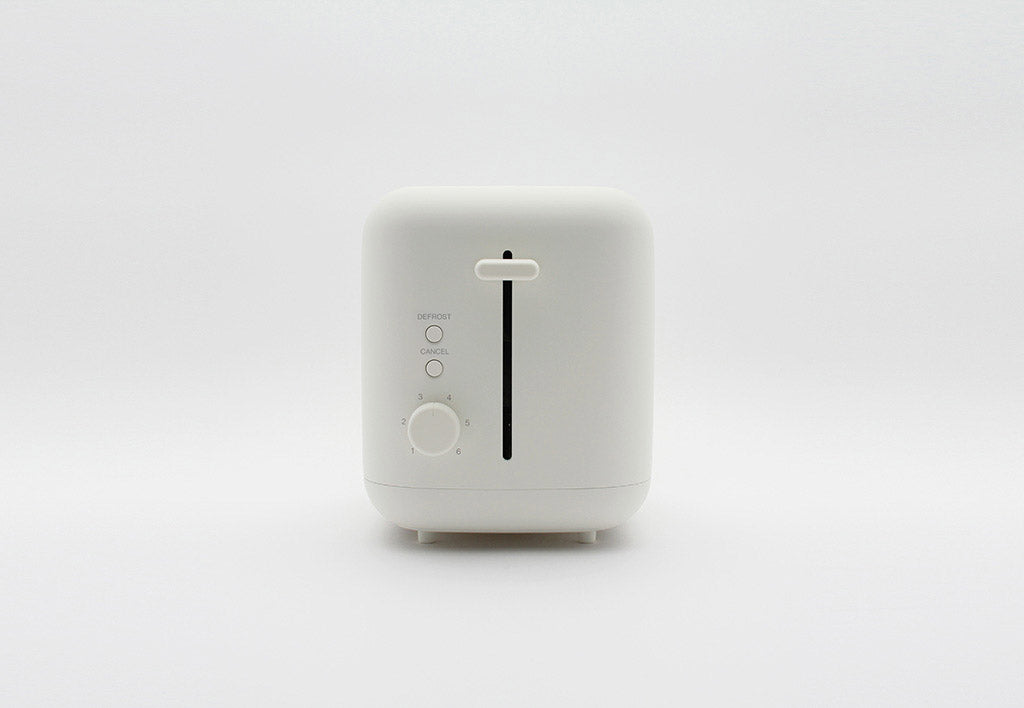
Muji, Designed for Instinct

BrandsWalk Creative |
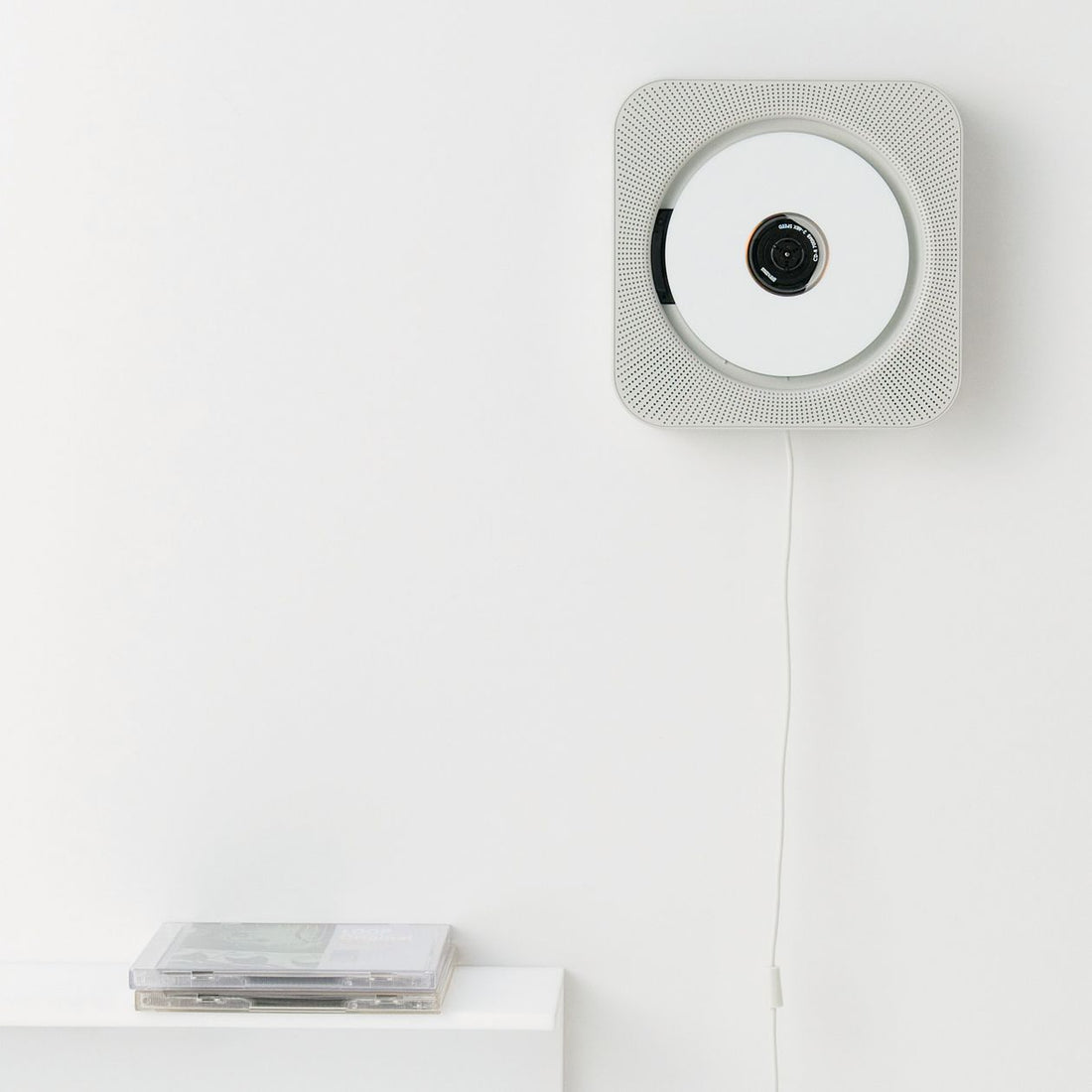
"You pull the string and the music flows out as air flows. It's the entire physical sensation." Naoto Fukasawa said that about the first product he ever designed for MUJI, a wall-mounted CD player with a pull-cord instead of a power button. No interface to read, no sequence to remember. Just a gesture borrowed from something you already know: a ventilation fan, a childhood lamp, a light fixture in a room you have lived in for years. The cord hangs there and your hand already knows.

That is what Fukasawa means by "Without Thought." Not invisible design, not minimal design in the way the word gets overused, but design that meets behavior so precisely that using an object feels less like operating it and more like continuing a motion you were already making. MUJI, for context, started as a Seiyu supermarket private label in 1980, a store brand built on the idea that good things did not need to announce themselves. By the time Fukasawa began working with them in the late 1990s, that restraint had become a full design philosophy. He fit into it exactly.

His philosophy is not just about simplicity. It is about intimacy, and intimacy has a geometry.

The objects closest to your body A coffee mug. A door handle. A pen. The things you pick up, hold, wrap your fingers around. Now think about the objects that organize your space from a distance: a shelf, a cabinet, a lamp you never touch. These are two different categories of object, and Fukasawa treats them differently on purpose.

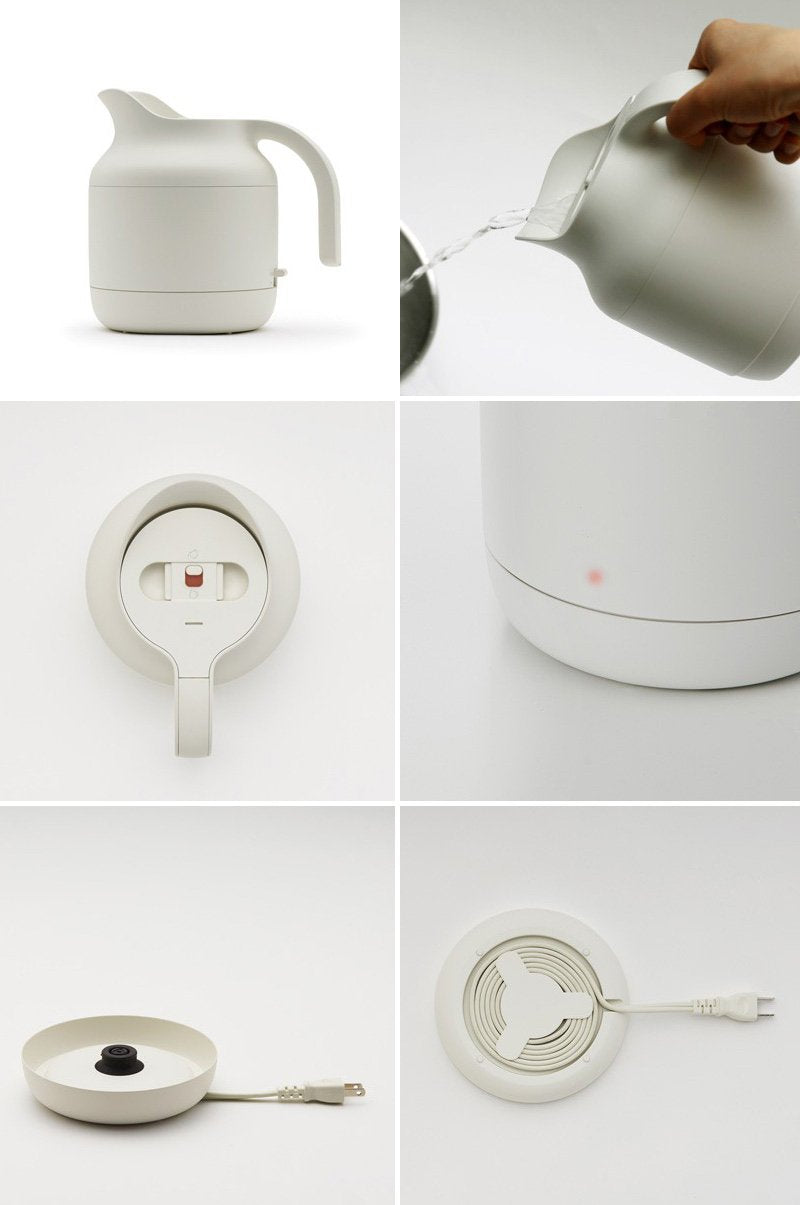
Things you hold closely tend to be rounded. Soft edges, surfaces that meet your palm without resistance. This is not just ergonomics. It is a decision about how much of yourself the object is allowed to ask for. A rounded form invites contact. It says: you can put your whole hand around me.

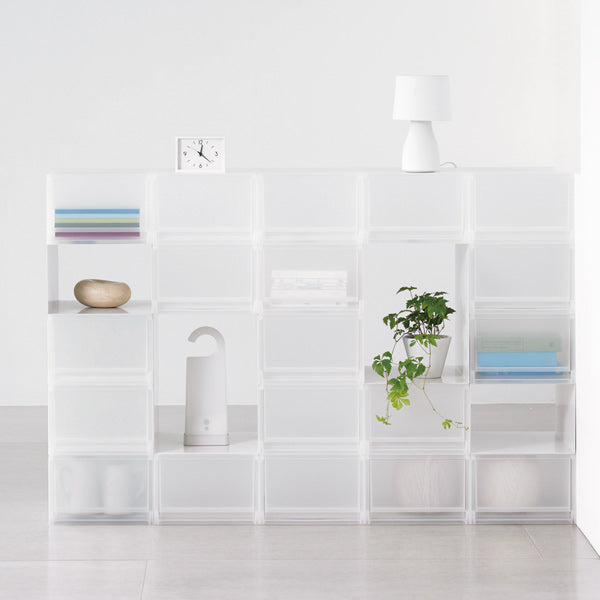
Things that organize from a distance tend to be structural, rectilinear, receding. They are not asking to be touched. They are asking to be used at arm's length, to hold other things, to create order. They communicate differently because the relationship is different.

Fukasawa does not make this distinction loudly. It shows up in the work itself. His ±0 (Plus Minus Zero) humidifiers and heaters are rounded, almost biological. They sit near you and breathe with you. His shelving concepts and storage systems are cleaner, harder-edged, built to contain rather than to comfort. The difference is in the proximity. The design follows from that.

Image | B&B Italia

This is a specifically Japanese intuition, and it does not always translate.

American product design tends to communicate function through form in ways that are legible at a distance. A handle looks like a handle. A button looks pressable. There is a cultural preference for objects that explain themselves before you touch them, that perform their purpose visually from across the room. It is not a bad instinct. It comes from a history of mass production at scale, of designing for strangers who have never seen your product before and need to figure it out in seconds.

BrandsWalk Instagram