Oki Sato and the Nendo Rule: Fun Lives Inside Function

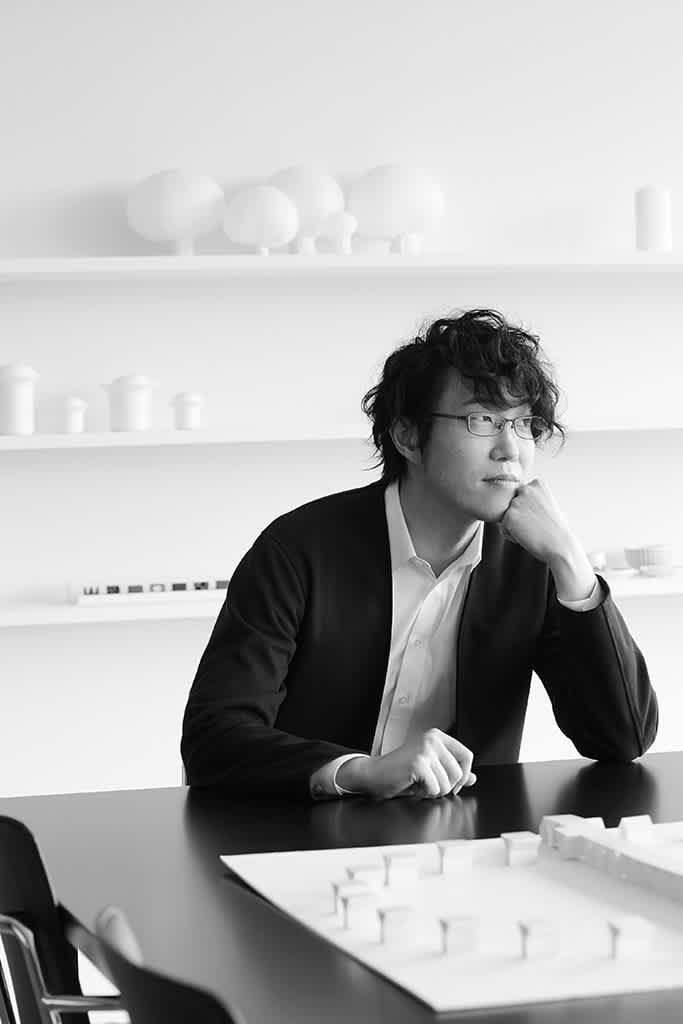
Sato's design philosophy resists the instinct to impress. He has said that if an idea doesn't come quickly, it's probably not a good idea. He handles over 300 projects a year, his work is in MoMA's permanent collection, and his most repeated line might be the most disarming thing a designer at his level could say: "perfection makes things boring."
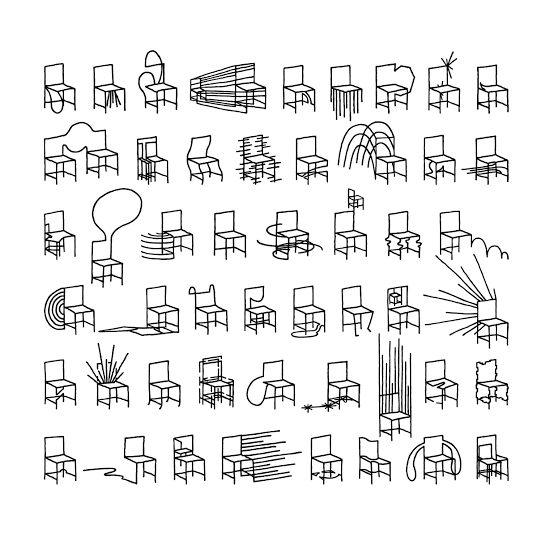
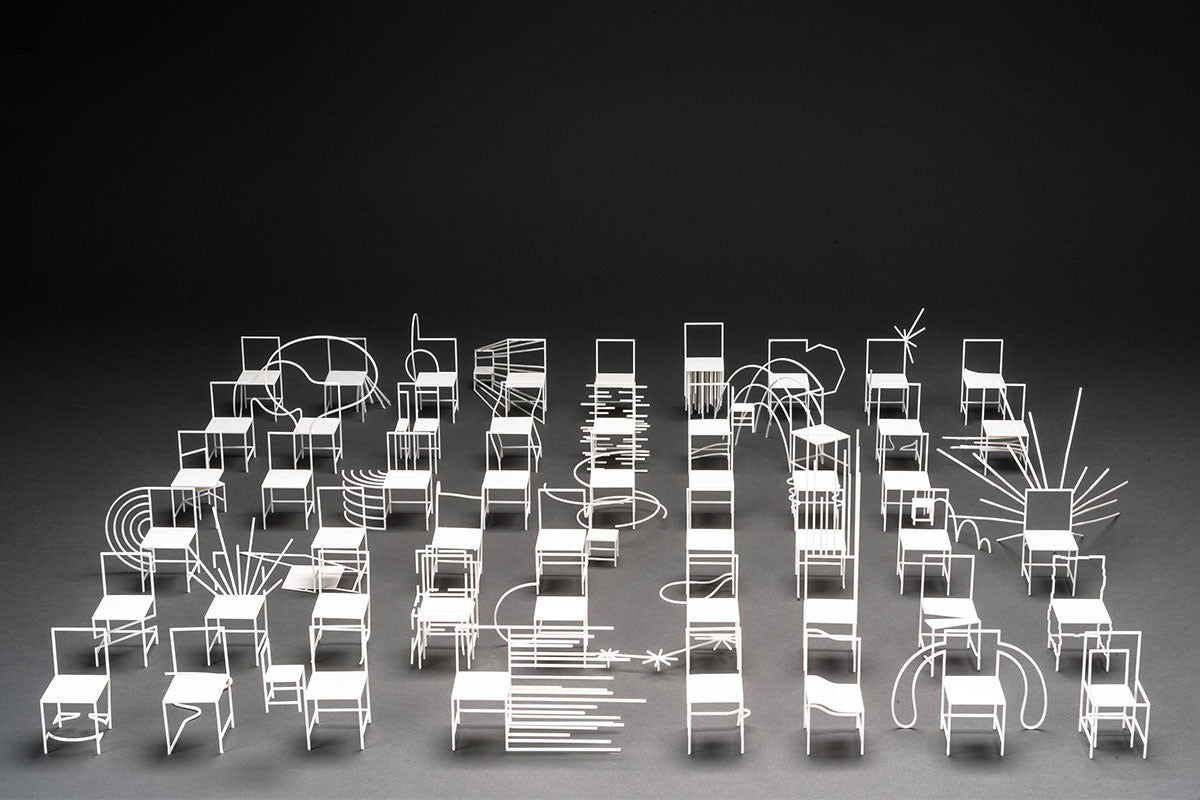
Image: Nendo, Stellar Works

What keeps nendo's work from tipping into novelty is that the playfulness is never the point in itself. It is a byproduct of solving something. Sato once noted that the word "fun" lives inside "function," and that framing is not a joke. It describes a real method: find the unnecessary friction in an ordinary object, remove it in the most direct way possible, and what's left tends to surprise you.

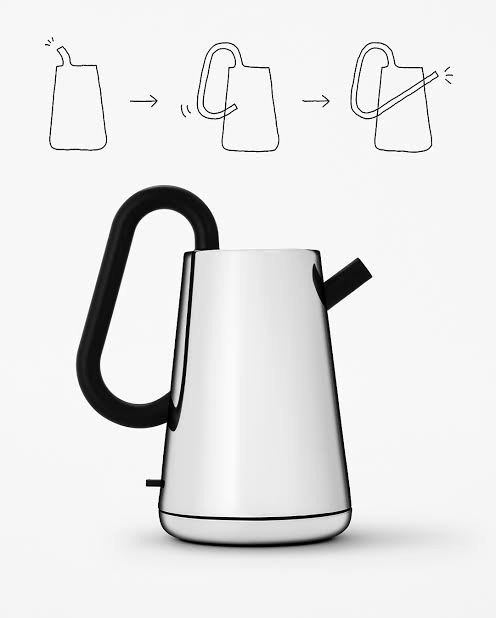
The Toru kettle, designed for Alessi, is a clean example of this. "Toru" means "through" in Japanese. The handle of the kettle runs through the body of the object rather than attaching to its side.
Image: Nendo

The result is strange at first glance, then immediately legible: the spout and handle share a single continuous form, a loop that passes through the steel volume of the body. Nothing is decorative. The playfulness comes from the logic being followed all the way through.
Shop Alessi

As screens multiply and digital interfaces flatten out physical experience, Sato has said the opposite seems to happen: the feel of an object in your hand, why it takes the shape it does, what it communicates when you're not thinking about it, all of that becomes more significant, not less. The objects that last are the ones that carry something beyond their function without announcing it.

That is the nendo standard. Not clever for its own sake. Just followed through.