Why We're Drawn to Squishies and What to Try Instead
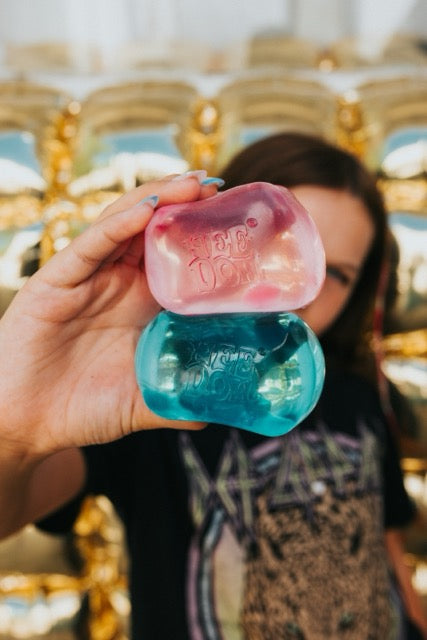
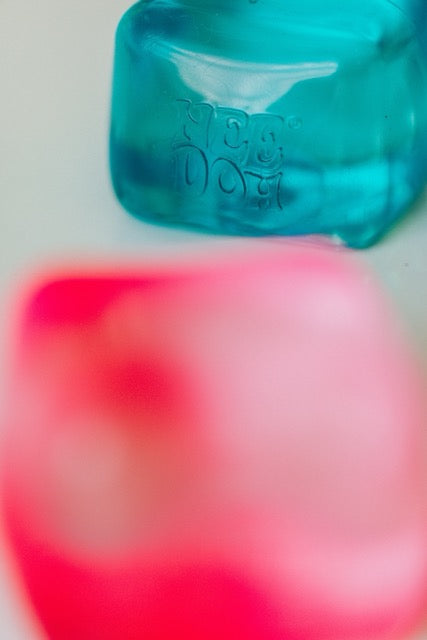
Their shape is part of the joke, but the demonstration does much of the work. A hand presses down and the toy answers immediately with movement and sound. You can imagine the sensation without a word of explanation. Social media gives these small performances an endless audience, while unboxings, unusual fillings, and hard-to-find colors turn a simple squeeze into something to compare and collect. It is easy to see how wanting to try one could become wanting the particular one everyone else is handling. The pleasure of the object and the excitement around it begin to overlap.

Then there is the pleasure of having something to do with your hands. Turning a ring or folding the corner of a receipt can feel almost automatic during a long conversation. A squishy gives that restless movement somewhere to go, with pressure, texture, and sound to hold your attention. For some people, a repetitive action can offer a brief diversion from anxious thoughts. For others, the feeling may simply be enjoyable. We should leave room for that uncomplicated explanation. Adults still enjoy play, even if a toy becomes easier to justify when it is described as a tool for focus or stress relief.
The timing invites a wider reading. When everyday expenses take up more of a budget and larger purchases require more thought, a small, inexpensive treat can feel easier to allow. A squeeze toy fits comfortably into that space. It offers a little amusement without requiring a plan, a reservation, or much commitment. Economic uncertainty may make such purchases more appealing, although the trend alone cannot tell us why any individual buys one. There is also something reassuring about an object that responds predictably to a simple gesture when much of the day feels beyond our control.
Our working routines may add to the attraction. Hours at a desk often mean touching the keyboard, mouse, and smooth surfaces while our attention moves through an enormous variety of images and information. The hands get a much narrower experience. Touch can be pleasurable in itself, and a squeezable object offers textures and resistance that a screen cannot reproduce. Perhaps some of the appeal comes from that contrast. It is an interpretation worth considering, particularly when the very platforms filling our days with images are also making us curious about how something might feel.
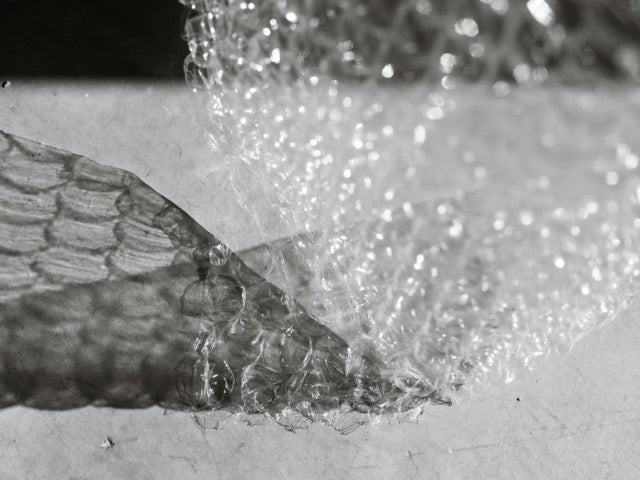
hat curiosity deserves a little consideration when it becomes a purchase. The satisfying clip lasts seconds; the object remains after we scroll away. Will we enjoy handling it next month, or has another shape already caught our attention? Repeatedly replacing inexpensive toys adds material and packaging to the waste stream, and plastic that escapes into the environment can eventually break into microplastics. Clear information about construction and materials matters, too. Price and a reassuring product description tell us little on their own. A toy can be fun and still deserve the same questions we ask of other things we bring home.
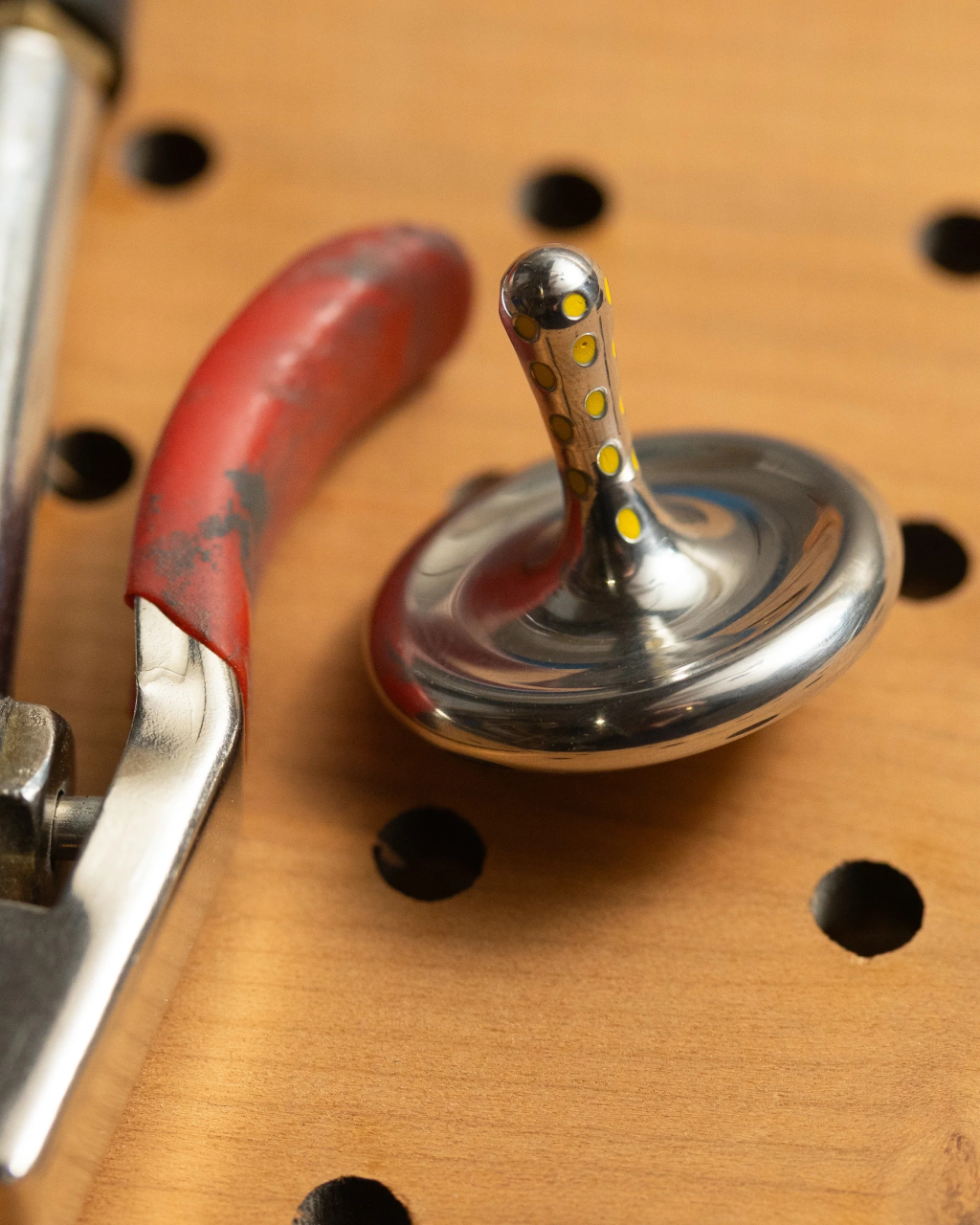
For anyone interested in a different tactile experience, a Craighill Tracer Top offers weight, balance, and movement in a form. In a carefully arranged desk space, there is room for an object chosen simply because using it feels good. Paying attention to that feeling may help us find something we keep reaching for, long after the video that introduced it has disappeared.