Why More People Are Wearing Smart Rings

BrandsWalk Creative |
A health tracker used to be something you strapped to your wrist. Increasingly, it looks like a piece of jewelry. Smart rings have become a familiar part of the wearable conversation, offering a compact way to track sleep, activity, and recovery without adding another display to your day.

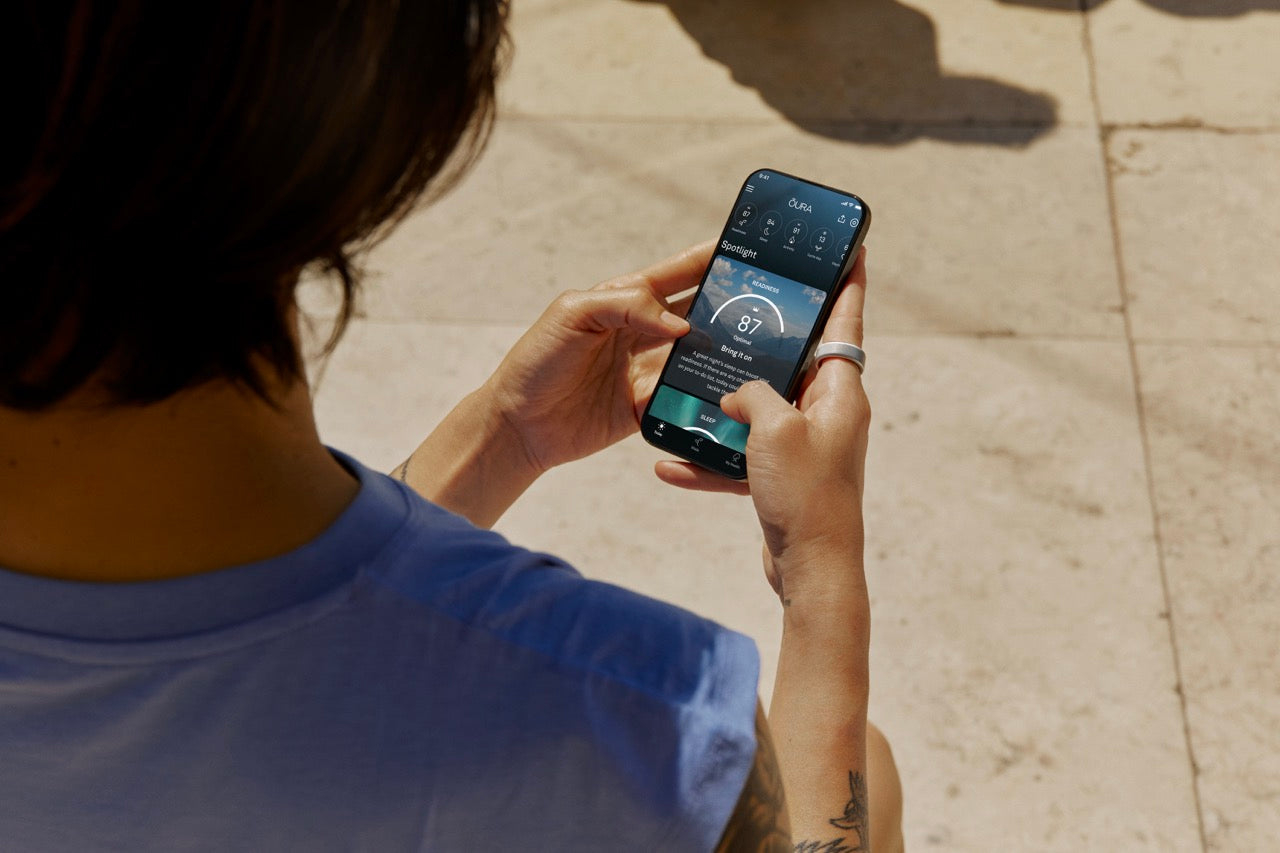
Oura is helping drive that interest. Its appeal is easy to understand: wear the ring, let its sensors collect data, and open the app when you want to see what those patterns might tell you. The technology fits around a routine that already exists.

A Growing Audience

According to Oura’s September 2026 SEC filing, the company reached 5 million paid members by June 2026, up from 2.5 million a year earlier. It also sold 3.6 million rings in the 12 months ending June 2026. Those figures give a clear sense of how quickly the brand’s audience is expanding.

The same filing reported that paid members wore their rings for a median of approximately 23 hours a day during April–June 2026. For a device built around observing patterns over time, that consistency matters. Its usefulness depends on being something people keep wearing.

The Core Philosophy: Ambient over Active

Most wearables treat health tracking as an extension of the smartphone—giving you real-time alerts, app ecosystems, and active workout stats. Smart rings flip this model entirely by embracing ambient computing.

Health Tracking in the Background

Much of Oura’s appeal comes from what happens while you are doing something else. During sleep, it gathers signals such as heart rate, heart rate variability, movement, and temperature changes. The app uses this information to estimate sleep stages and provide insights into rest and recovery.

Learn More About Oura Ring 5

Over time, those readings give you a personal baseline. You might notice how your sleep changes after a late evening, how your resting heart rate responds to a demanding week, or when your body seems to need more recovery. Temperature trends can also support cycle insights and help identify changes from your usual patterns. These are signals to consider, rather than medical diagnoses.

There is still a screen involved: your phone. The difference is that the ring itself has no display competing for your attention. You choose when to open the app and review the information.

Designing Technology as Jewelry

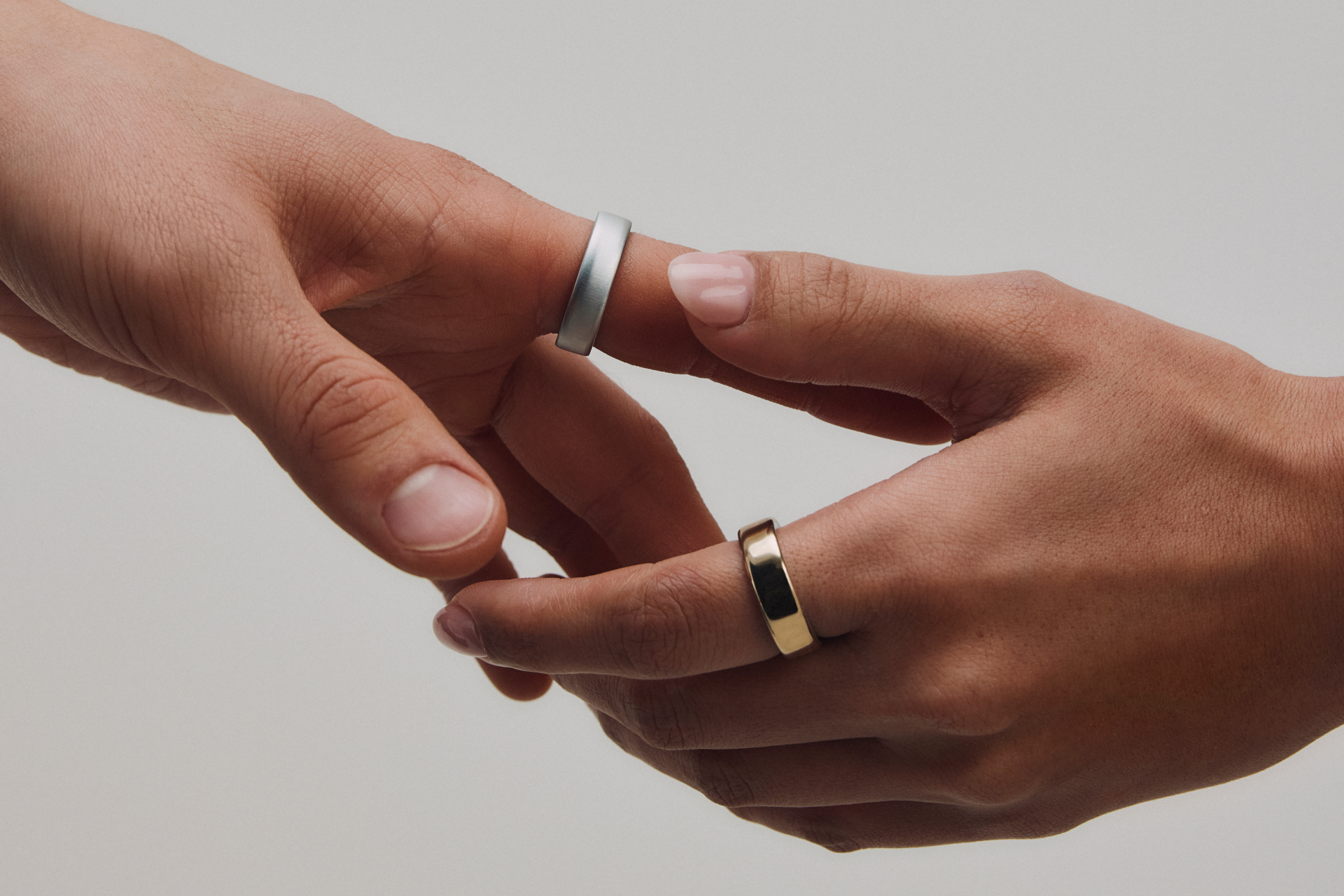
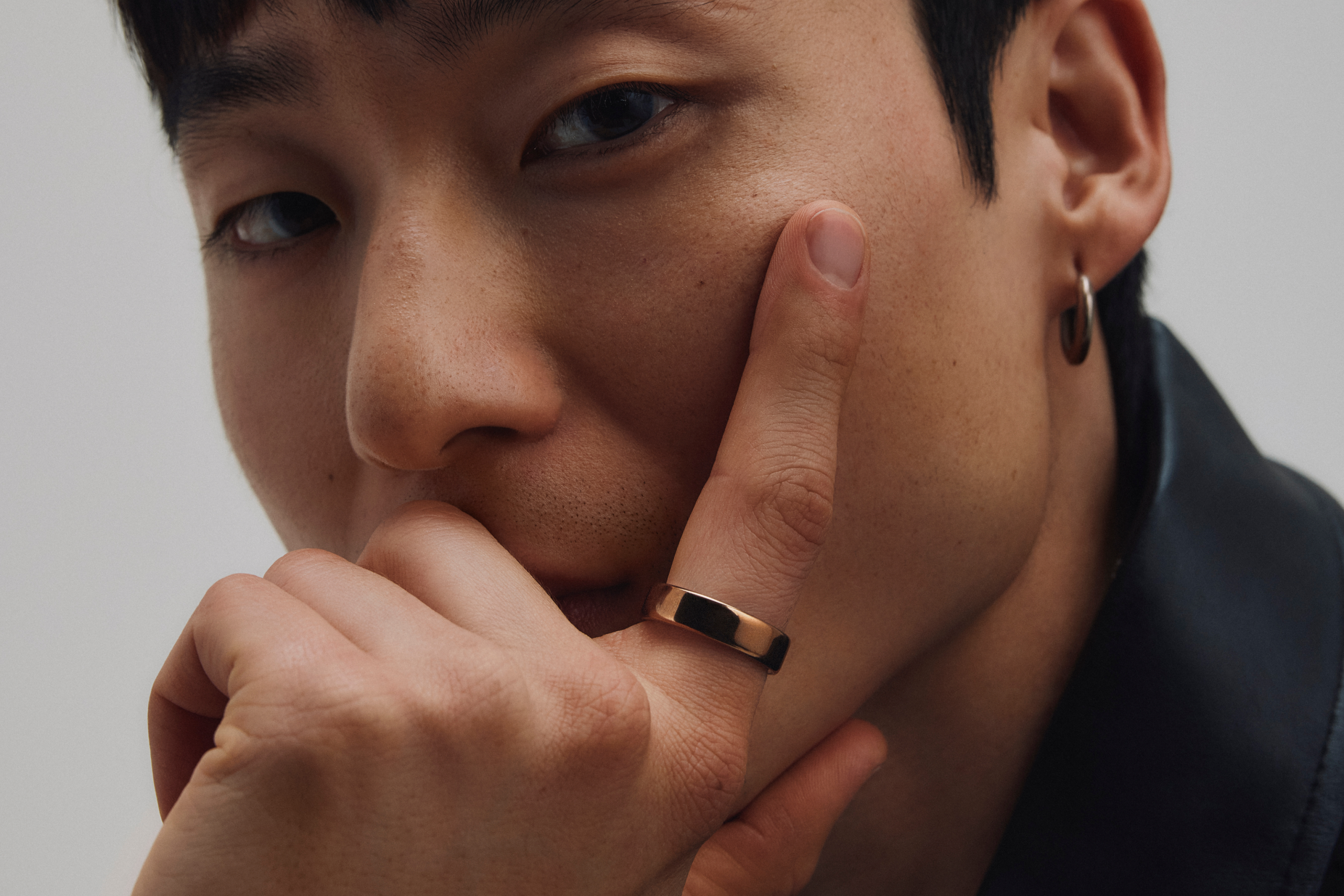
A ring gives designers very little room to work with. Sensors, a battery, and a protective shell all have to fit around a finger, where small changes in thickness and proportion are noticeable. The exterior also has to function as something people choose to wear. Its finish, shape, and relationship to other jewelry become part of the product’s everyday use.

Oura’s design places data collection in the ring and interaction on the phone. Removing the display changes how you encounter the technology, but the app remains central to the experience. This makes the smart ring an interesting example of how wearable design is evolving: the hardware becomes smaller and less visually prominent, while much of its complexity moves into software.

There are practical considerations. Fit matters, so using the correct sizing kit is part of the process. Detailed insights also come with an ongoing cost: Oura Membership is $5.99 per month or $69.99 per year in the U.S., before tax. And while the app provides the information, the wearer still has to decide what to do with it.

Technology With a Specific Purpose

What makes the smart ring so interesting is how clearly it’s designed around specific needs: tracking sleep, activity, and recovery in something comfortable enough to wear every day. We’ve grown used to smartwatches with screens, but a ring shows how much useful technology can work quietly without one. It’s remarkable how far that technology has come—and how much now fits inside a piece of jewelry.

As an Amazon Associate, BrandsWalk earns from qualifying purchases made through links in this article.

Read More About Oura Ring 5