Leo's Room Was Designed Before He Owned a Single Piece of Furniture

BrandsWalk Creative |
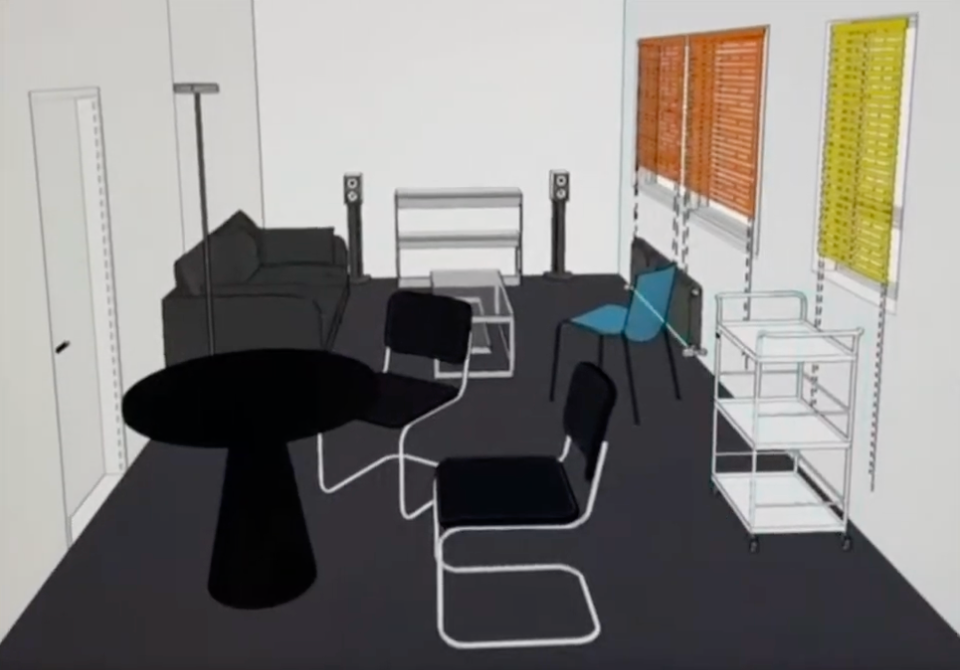
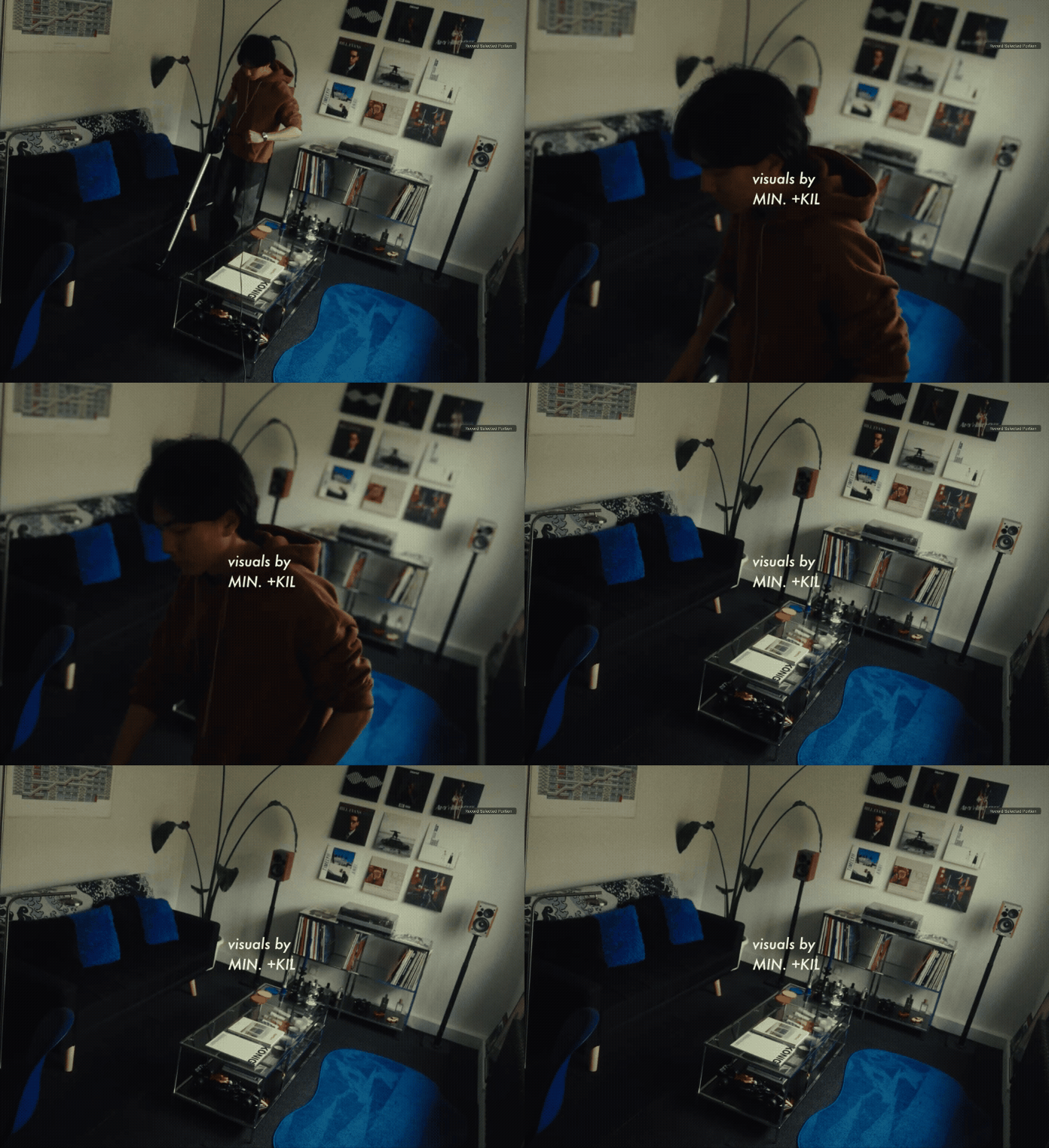
Before Leo bought a chair, a lamp, or a rug, he built his Pimlico apartment in 3D software. He mapped the dimensions, placed the furniture digitally, and lived with the layout in his head before committing to any of it in the real world. Most people treat decorating as something that happens gradually, by feel. Leo treated it like a project with a brief.  

That level of intention is worth pausing on. Plenty of people care about how their space looks. Fewer care enough to model it before they move in. The difference isn't perfectionism. It's that for Leo, the room was never just a backdrop. It was something he was building toward.

@minsungkil Instagram

"A space only truly becomes 'my room' when it starts to hold pieces of my life," he says. The 3D model was how he made sure it would.

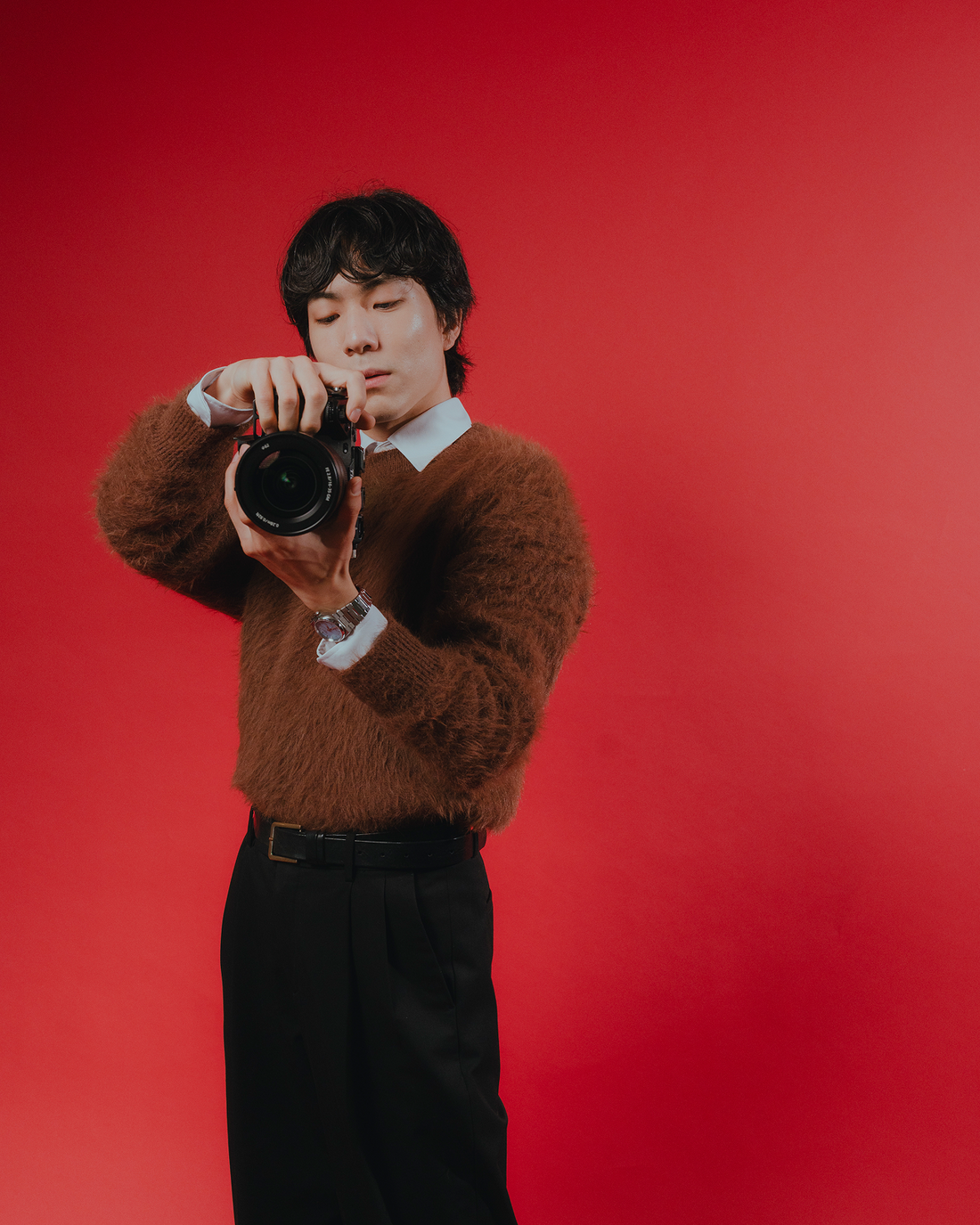
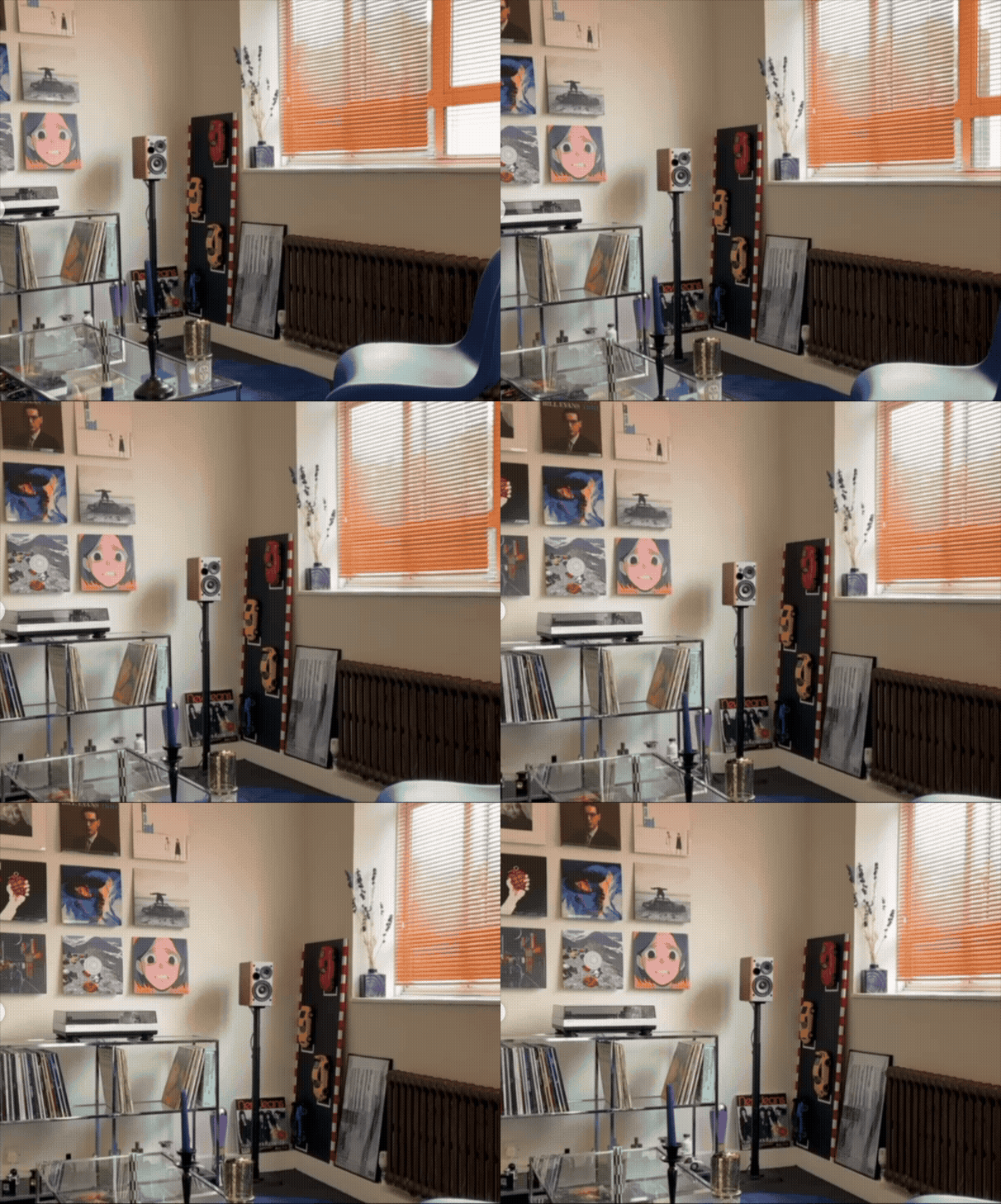
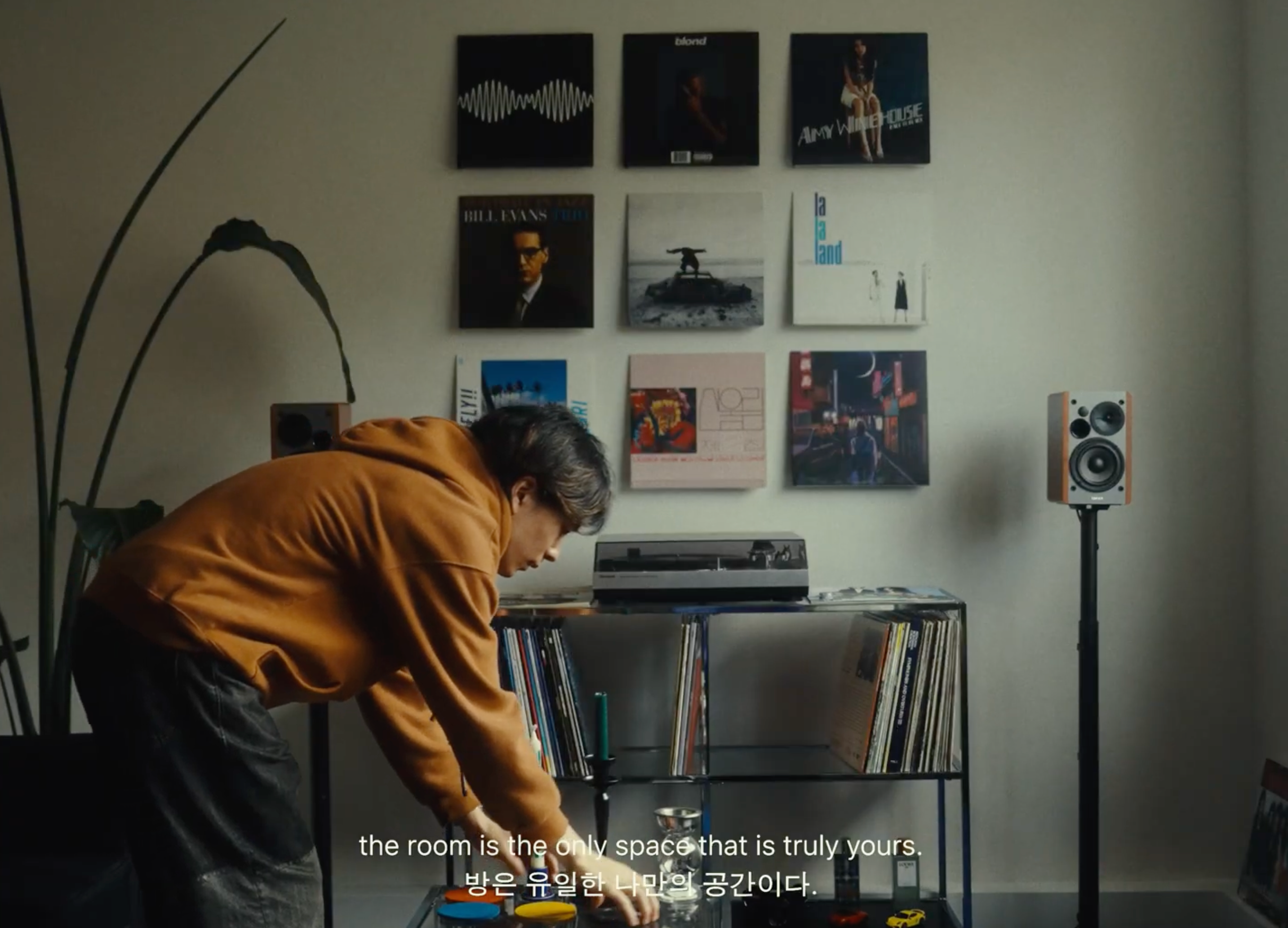
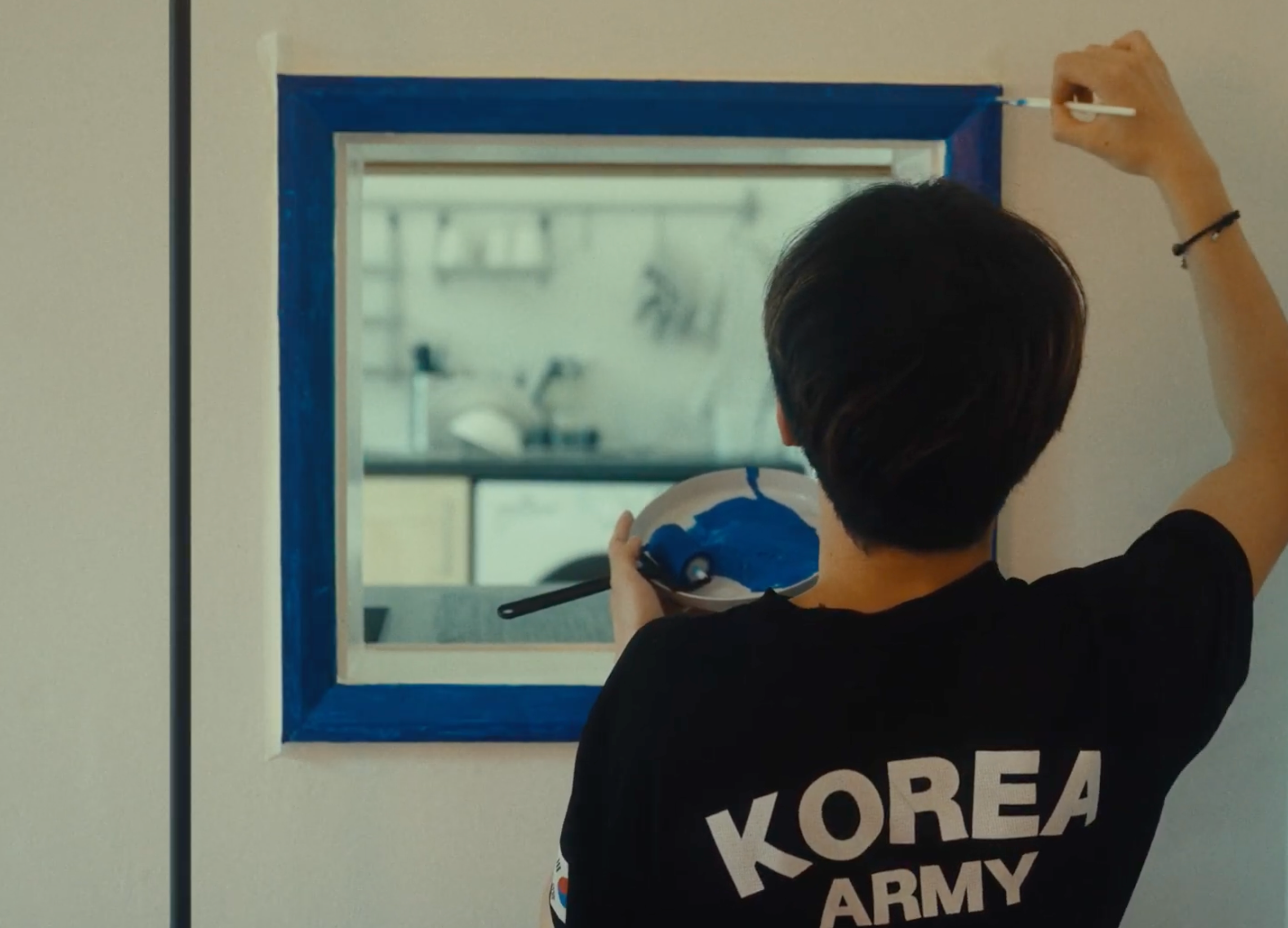
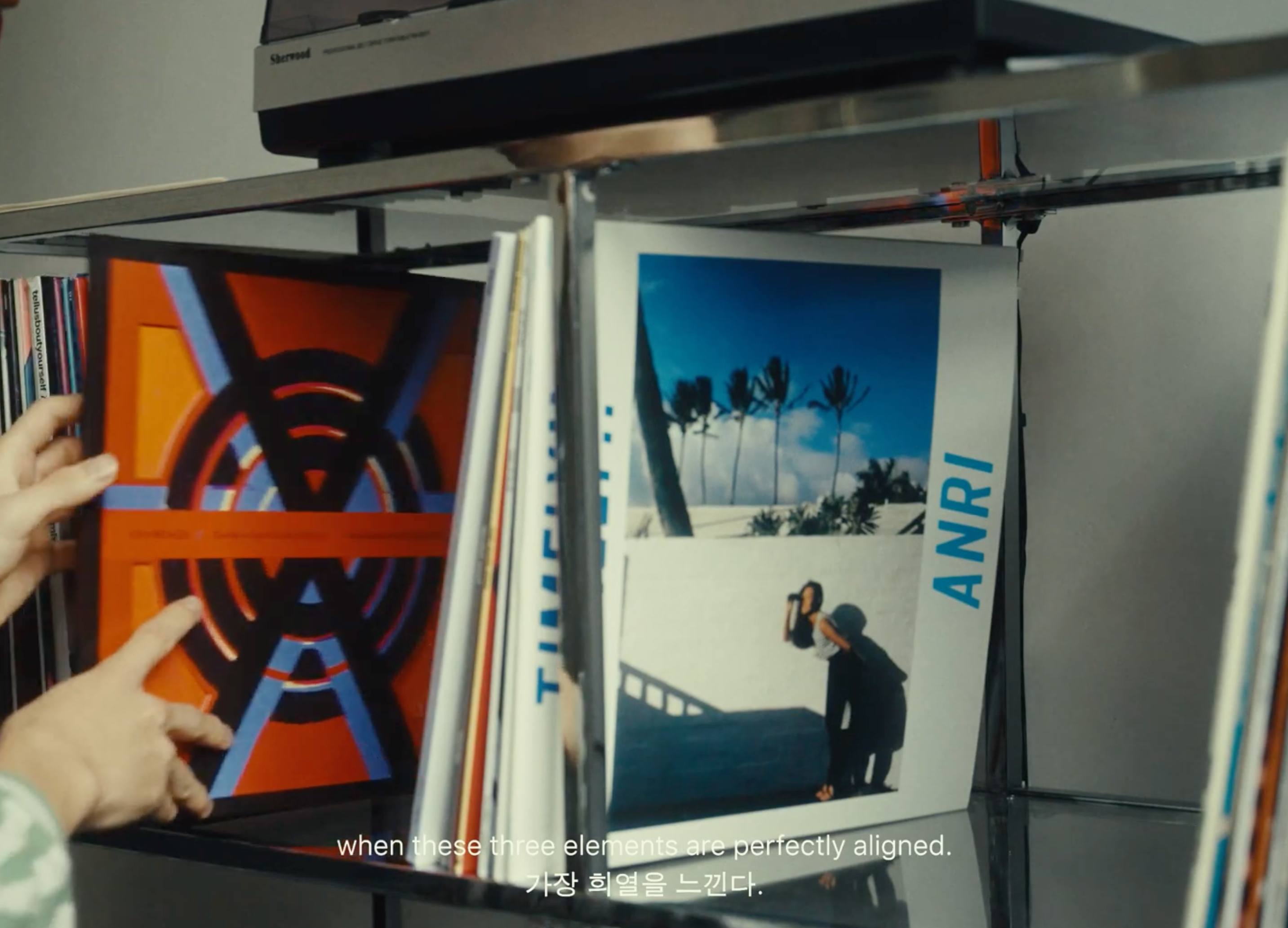
Leo is a videographer based in London, and his eye for composition shows in how he thinks about a room. Not as a collection of objects, but as something with atmosphere, proportion, and intention behind every decision. The Pimlico apartment that became the subject of his short film wasn't styled for camera. It was lived in, deliberately. The blue-framed mirror he painted himself. The vinyl wall arranged as a grid. The speakers positioned like furniture, not equipment.

What he was building, he says, was a personal archive, not a recreation of something he'd seen online. "Every piece I bring in has to mean something. It's not just about whether it looks good, but whether it tells a story and reflects who I am. Even something as small as a candle needs to have a reason behind why I chose it."

Leo Minsung Kil's Instagram

That standard applies across every sensory layer of the room. Leo pairs music and scent the way you'd pair wine with food. Lately: Ryo Fukui's jazz piano with Tom Ford's Oud Wood. The combination isn't random. It's composed.

What's unexpected is what the room did back to him. Leo wasn't naturally a tidy person. But once the space became something he'd invested in, something he'd actually planned and chosen, he didn't want to ruin it. He became more organized, not because he decided to, but because the room asked it of him. The space shaped the habit. That's the argument his film makes, and it holds up in practice: once we create a space, the space shapes us.

He's recently moved out of Pimlico to a neighbourhood in London he'd long wanted to live in. The new place is a loft, significantly smaller, and the challenge has shifted. It's less about which objects belong and more about how to define different functions within a limited area. The curatorial instinct is the same. The constraints are new. That's a different kind of design problem, and Leo is approaching it the same way he approached Pimlico: with a plan before the furniture arrives.

The 3D model wasn't a quirk. It was the clearest possible signal of what kind of person Leo is about his space: someone for whom home isn't something that happens to you, but something you decide, deliberately, before you even walk through the door.

Leo Minsung Kil's Instagram
BrandsWalk Instagram