The objects we reach for most often can shape the feeling of a home. A glass waiting beside a carafe, a useful tool within reach of the stove, a small lamp carried out to the table as evening arrives: these are modest details, yet they influence how comfortably the day unfolds.
Rosendahl has built its identity around that everyday territory. Its collections bring design into cooking, serving, gathering, and spending time at home. The story is rooted in a belief that thoughtful objects can be approachable, with enough visual character to enjoy and enough practical purpose to use repeatedly.

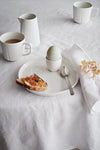
Grand Cru Nouveau on a kitchen table
A Merchant’s Idea Becomes a Design Brand
Erik Rosendahl founded his business in 1984, initially working as an agent for other design brands. The company’s own Rosendahl product story began in 1993 with a wine stopper designed by Erik Bagger. That compact object became the starting point for Grand Cru, a collection that would grow across glassware, tableware, and serving pieces.

The distinction between those dates tells an interesting story. A business that began by bringing design to customers went on to develop objects of its own. The experience of presenting products and understanding their place in a home became the background for a new creative direction.
Starting with a wine stopper also gives the brand’s history a human scale. It is a tool for a familiar task, small enough to fit in the hand. Its success depends on how the materials, shape, and mechanism work together. The initial design opportunity existed inside a simple action rather than an elaborate domestic setting.
The broader company is now known as Rosendahl Design Group and includes several other Danish design names. Rosendahl remains a distinct brand within that group. Its own identity centers on contemporary objects for everyday living, developed through collections and collaborations with designers.

Erik Rosendahl
Bringing a Chef’s Perspective into the Kitchen
The kitchen is a revealing place to judge a useful object. Surfaces become wet, several tasks compete for space, and a tool may be picked up repeatedly during one meal. Visual appeal matters, but so do balance, grip, and the way an object fits into a sequence of movements.
Rosendahl’s RÅ collection brings that working perspective into the design process through a collaboration with Jesper Vollmer. A trained chef, cookbook author, and former chef to the Danish royal household, Vollmer approaches kitchen objects with experience of preparing and serving food professionally.

That background helps explain the collection’s interest in straightforward forms and tactile materials. The objects have a composed appearance, while inviting the ordinary actions of cooking: holding, grinding, stirring, preparing, and bringing food to the table. Their relationship to the hand is part of their visual character.
There is a useful distinction between a kitchen arranged for a photograph and one that is being used. During a real meal, utensils move, ingredients spill, and people reach across the counter. A collection informed by cooking can be understood within that activity. Its role is to help the room function while contributing to how it feels.

RÅ also demonstrates how a collaborator can bring a particular point of view into the wider Rosendahl collection. A chef notices different details from a lighting designer. Each approaches everyday life through a different set of habits, allowing the brand to develop beyond a single repeated visual formula.
That variety lets the collection follow the day, from preparing breakfast to setting down a light as the evening settles.

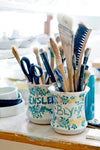
Rosendahl kitchen objects
A Softer Kind of Light
Lighting brings another dimension to Rosendahl’s everyday world. Designer Maria Berntsen, who established her Copenhagen studio in 1992, developed the Soft Spot collection with an interest in atmosphere and the places where people gather. The lamps make light into something that can accompany an activity.
Soft Spot Solar gives that idea a lantern-like form. A rounded light sits inside a frame that also functions as a handle. The relationship between those parts is clear: one provides the glow, while the other gives the object a structure and a way to be carried.

A portable lamp suggests a different way of arranging a space. Instead of planning every evening around one fixed light, you can consider the table where people have gathered, a sheltered outdoor corner, or the place where a conversation has moved. The object can participate in that change of setting.
Its appearance also matters in daylight. The frame outlines the lamp even when it is not illuminated, giving the piece a recognizable shape on a shelf or table. At night, the balance changes as the light becomes the focus. The same object therefore offers two different visual experiences over the course of a day.
This is an appealing extension of Rosendahl’s founding interest in useful design. A kitchen object supports preparation; a glass supports serving; a lamp helps shape the time spent together afterward. The categories differ, but they connect through the routines of a home.
Soft Spot also provides a gentler expression alongside the brand’s more geometric tableware. A rounded lantern and a clearly structured carafe do not need to look identical to belong in the same room. Their connection comes from thoughtful function and a willingness to fit around the lives of the people using them.

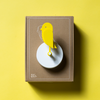
Soft Spot Solar lantern
A Collection That Fits into Real Life
Across Rosendahl, clear shapes and practical purposes provide a recurring thread. Some objects have a strongly recognizable geometry; others introduce warmth through materials or softer contours. Together they suggest a home assembled around activities, with each piece contributing something specific.
Grand Cru remains an important part of that identity, but the broader brand story includes more than one celebrated collection. Kitchen tools, glassware, and lighting allow Rosendahl’s approach to be experienced in different rooms and at different moments. The range makes sense as a set of related needs rather than a single prescribed interior.


Think of preparing a meal for friends. There is the work at the counter, the movement between kitchen and table, and the time spent sitting together after the plates have been cleared. Objects are passed from hand to hand throughout that sequence. Their success comes partly from how naturally they support those transitions.


At BrandsWalk, that is what makes Rosendahl a compelling addition. Its story connects a merchant’s interest in design with the perspectives of people who understand how things are made and used. The result is a collection with several ways in, whether your attention begins with the kitchen, the table, or the light in a room.
You do not need to rebuild a home around a new object. Sometimes the most satisfying change is smaller: a tool that feels right, a glass you enjoy reaching for, or a light that makes you want to stay at the table a little longer. Rosendahl gives those familiar moments a thoughtful place in the design conversation.


Rosendahl’s home collection