The Story of Craighill Part 1: Everyday, Extraordinary Objects

BrandsWalk Creative |
Every day begins and ends with a sequence of small actions. Brush your teeth. Check the time. Open a package. Wind down. We rely on dozens of small tools to move through each day, and most of them are completely forgettable.

But occasionally, someone stops and asks a simple question: What if these everyday objects were designed better, and built to stand the test of time?

That question is what led to the creation of Craighill, a Brooklyn-based design studio focused on engineering the small tools we use every single day. And at BrandsWalk, where we believe every brand has a story to tell, it's a story worth diving into.

The Origin of Craighill

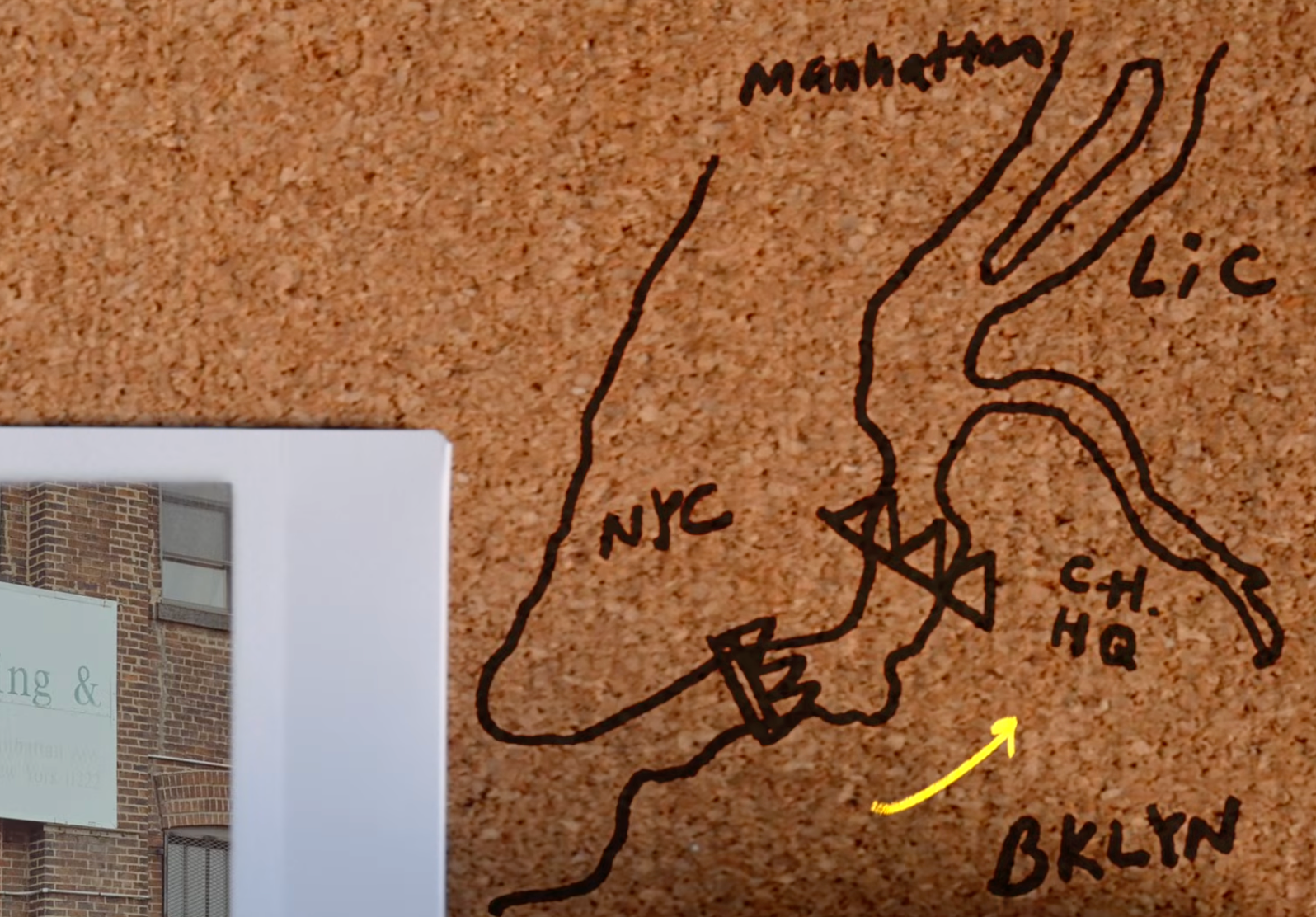
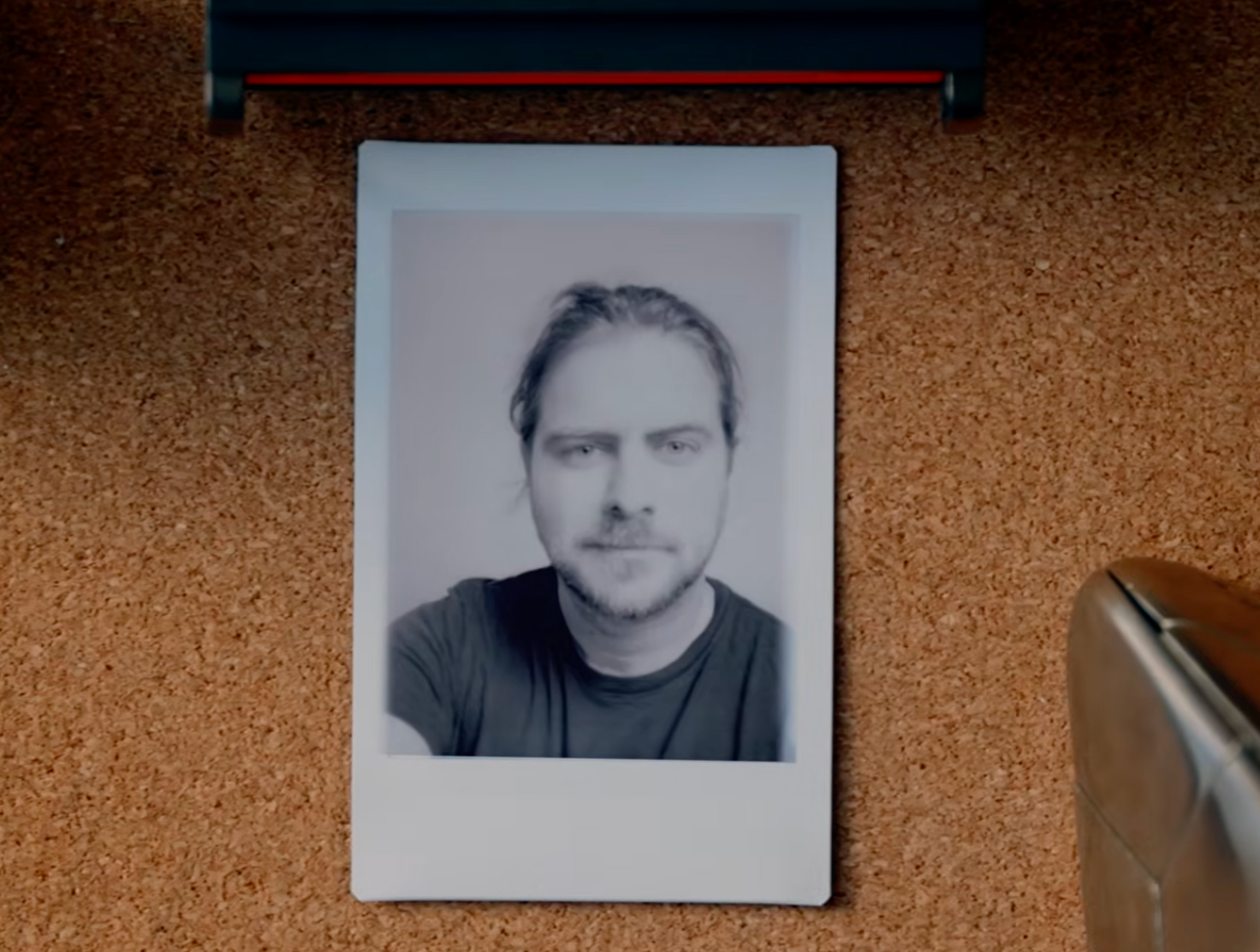
The story begins with Hunter Craighill, an industrial designer based in Brooklyn, New York. Hunter originally studied architecture and design before shifting his focus toward product design, particularly the objects people interact with most. Rather than creating large furniture or architectural structures, he became fascinated by something much smaller: everyday tools.

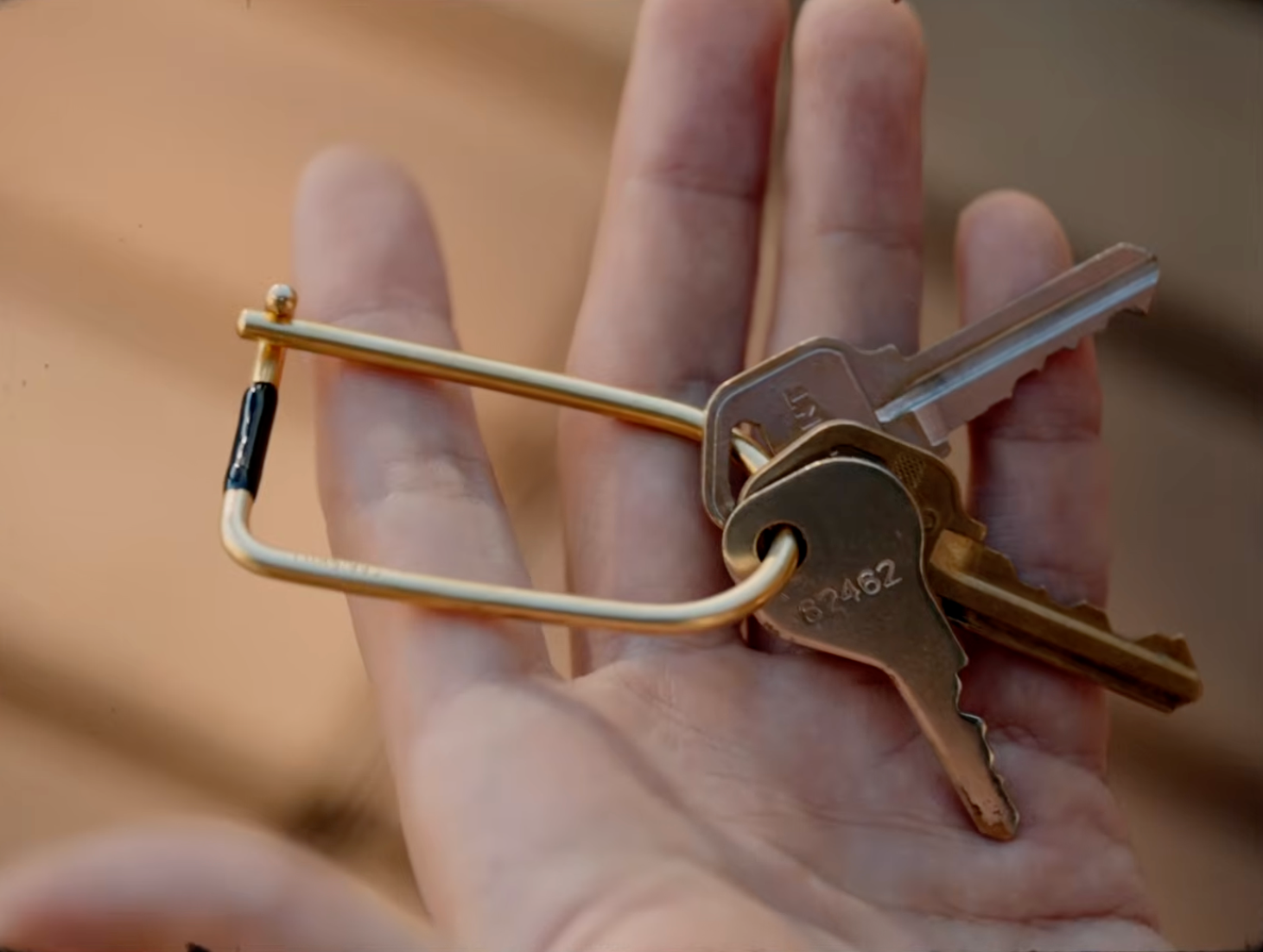
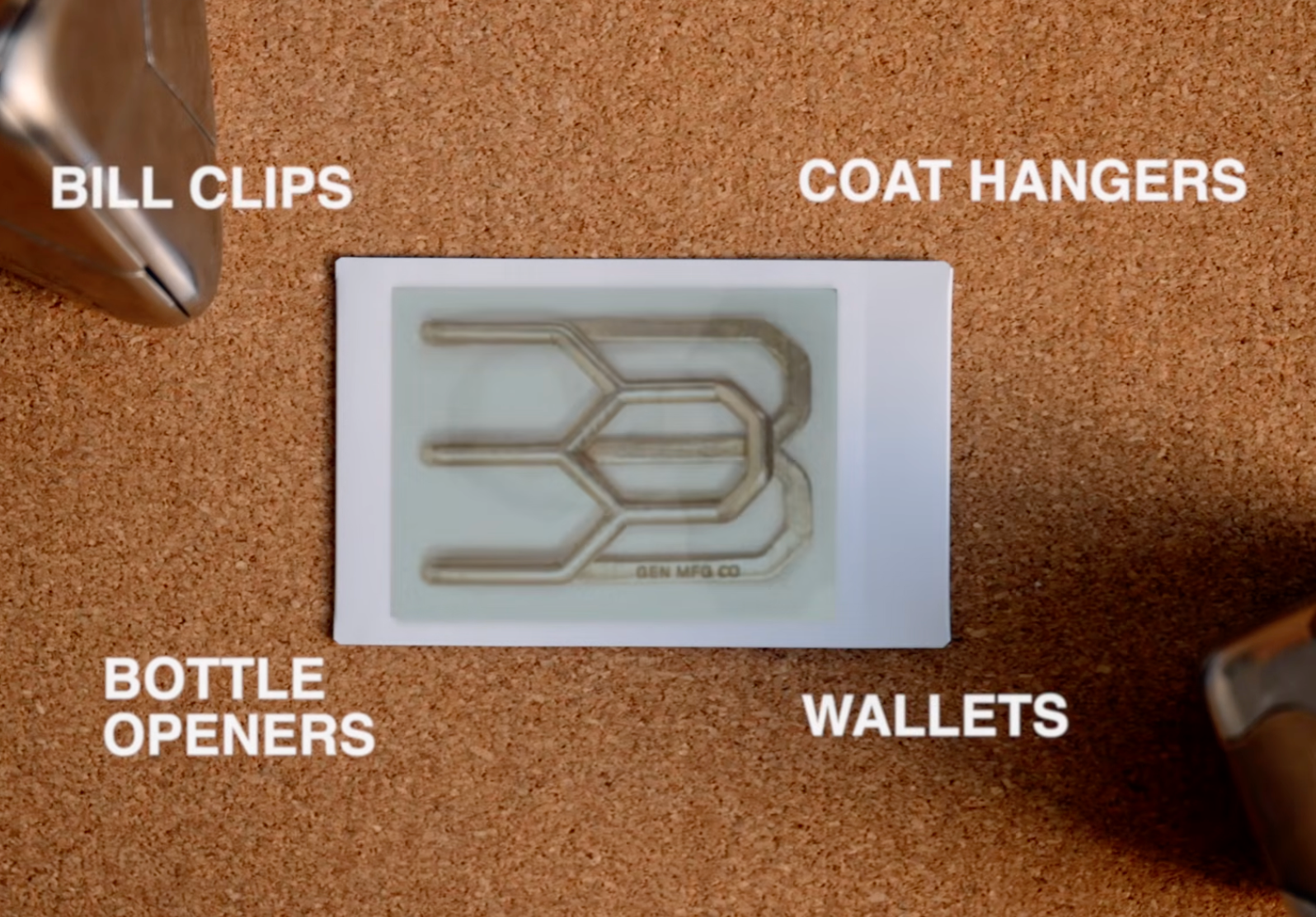
In 2013, he co-founded General Manufacturing Concern with business partner Zac Fried. The studio set out to make the objects we reach for constantly: bottle openers, coat hangers, wallets, bill clips, and one simple product that would quietly become the cornerstone of the brand: the Wilson Key Ring. More on that shortly.

By 2015, the company had rebranded as Craighill and officially opened its creative workshop and office in Brooklyn. The goal from day one was clear: to design objects that combine curiosity, ingenuity, and real-world functionality. Everyday items that make you pause and think: Wait… why hasn't this always been designed this way?

That sense of design curiosity became the core identity of the brand.

What Makes Craighill Different

At first glance, Craighill's products look like minimalist art. But in the design world, there's a meaningful difference between styling an object and resolving it. Craighill's team doesn't start with a sketch of what looks cool. They start by hunting for micro-frustrations, those split-seconds of daily annoyance we've quietly accepted as normal.

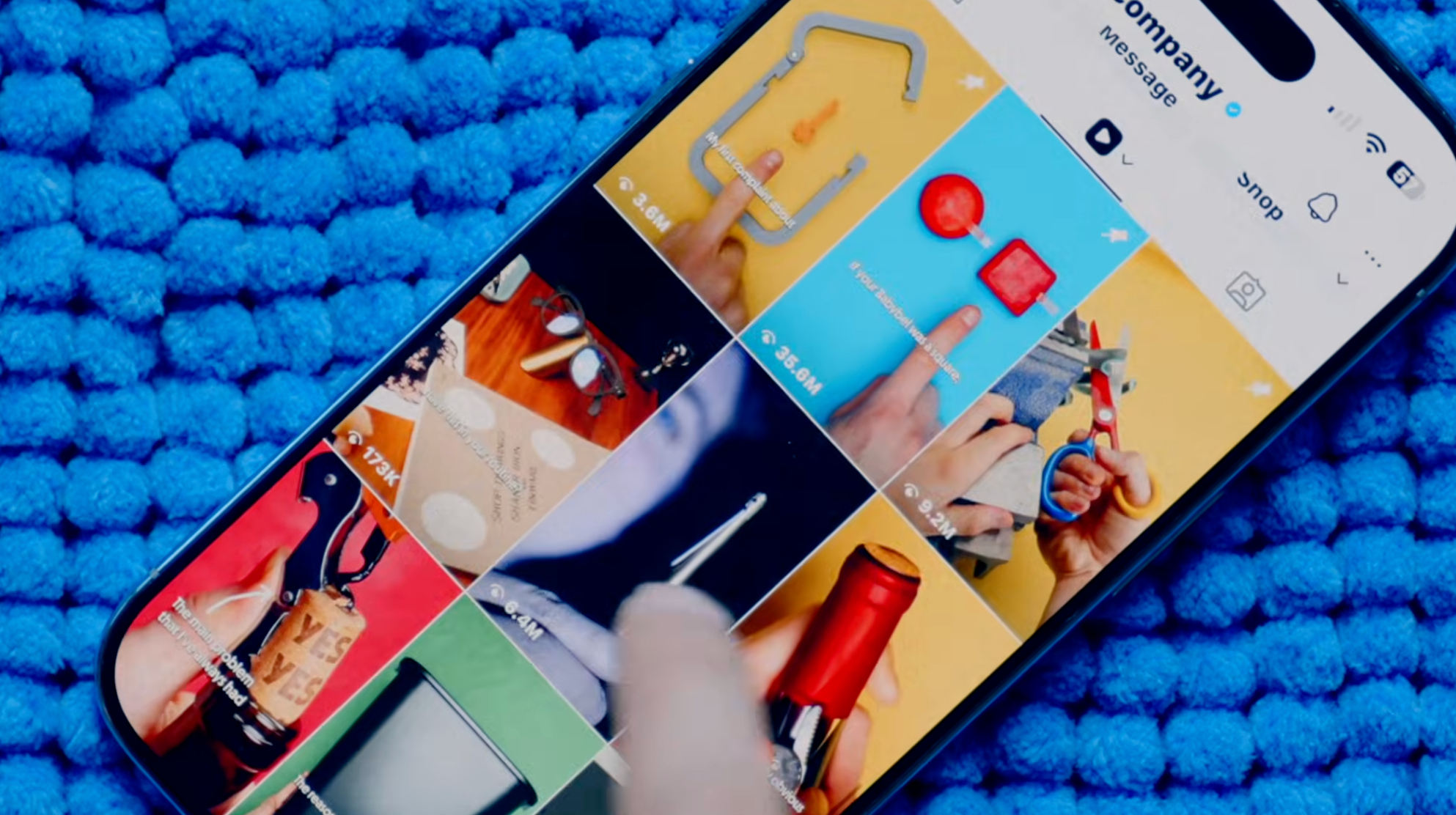
Leading that process is Kevin Chee, Craighill's design manager. His team approaches objects the way an engineer or architect might, studying how things function, where friction happens, and how small design decisions can dramatically improve usability. Under his management, Craighill has built a passionate global following, with their social media content accumulating millions of views by showing the iterative design process behind each product.

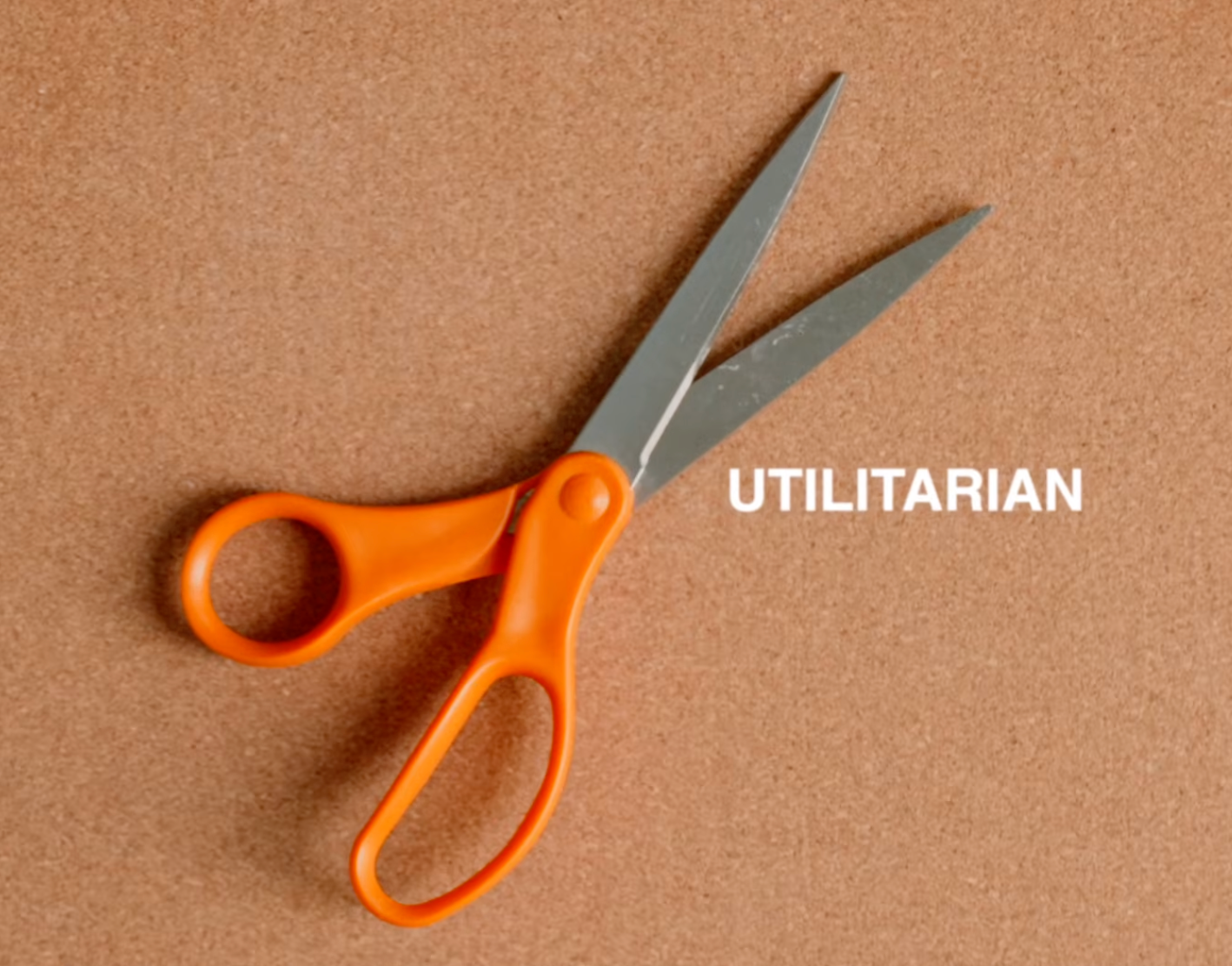
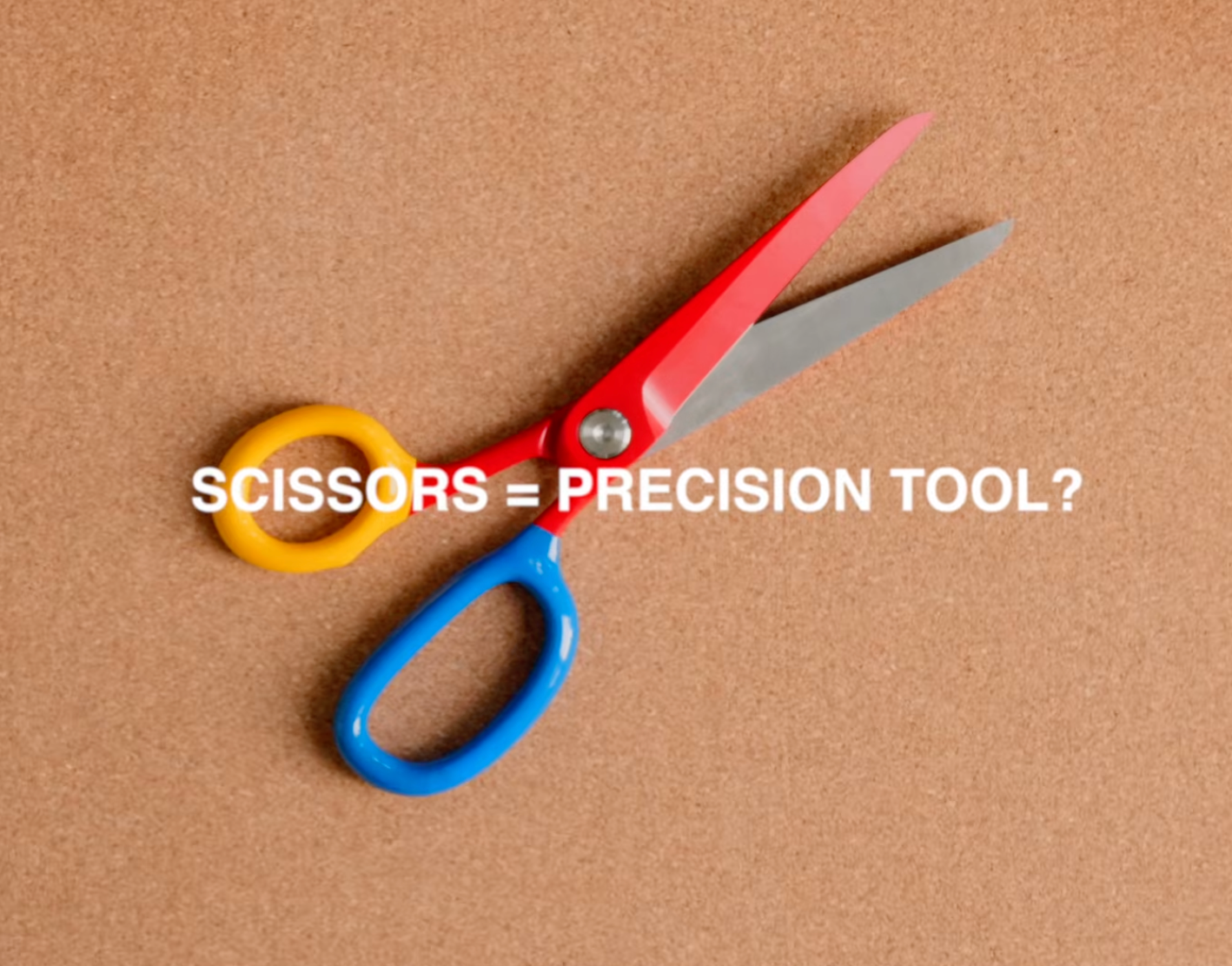
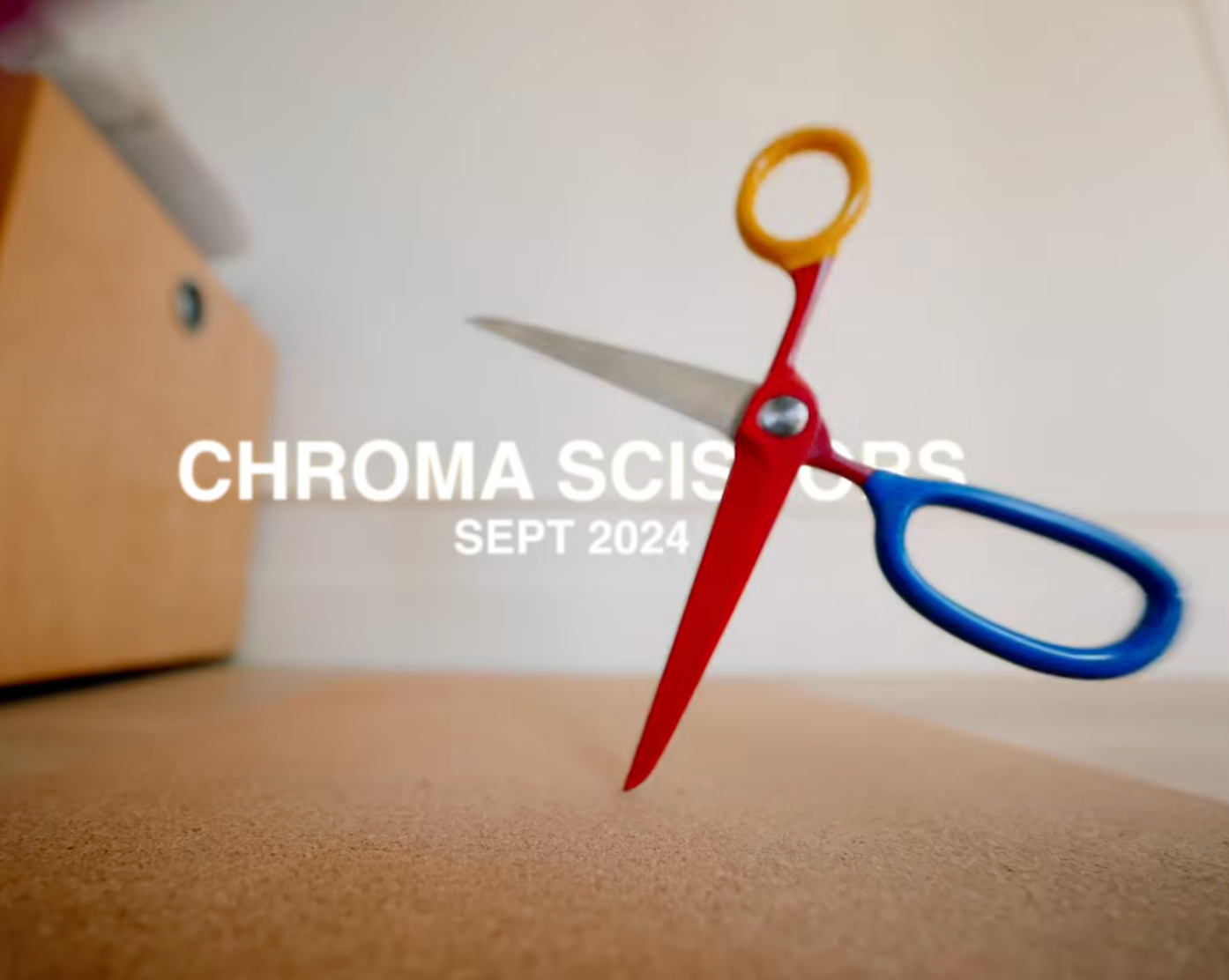
Take something as familiar as a pair of scissors. Most scissors are purely utilitarian, designed to cut, but rarely considered for form, balance, or long-term use. Craighill asked a different question: What if scissors could be designed with the same care as a precision instrument?

The result was the Chroma Scissors, machined from stainless steel and finished with colorful physical vapor deposition coatings. Balanced, durable, and intended to live permanently on your desk rather than disappear in a drawer. It's a small shift in perspective, but it transforms an everyday object into something you actually enjoy using.

Shop | Chroma Scissors

This is Craighill's broader philosophy in action: improve the overlooked objects of daily life.

Their products consistently combine three qualities: industrial precision, minimalist aesthetics, and tactile satisfaction. Materials play a central role. Craighill regularly works in solid brass, stainless steel, and machined aluminum, materials that age gracefully, develop patina over time, and reinforce the brand's commitment to longevity over disposability.

Shop | Craighill

The Design Language

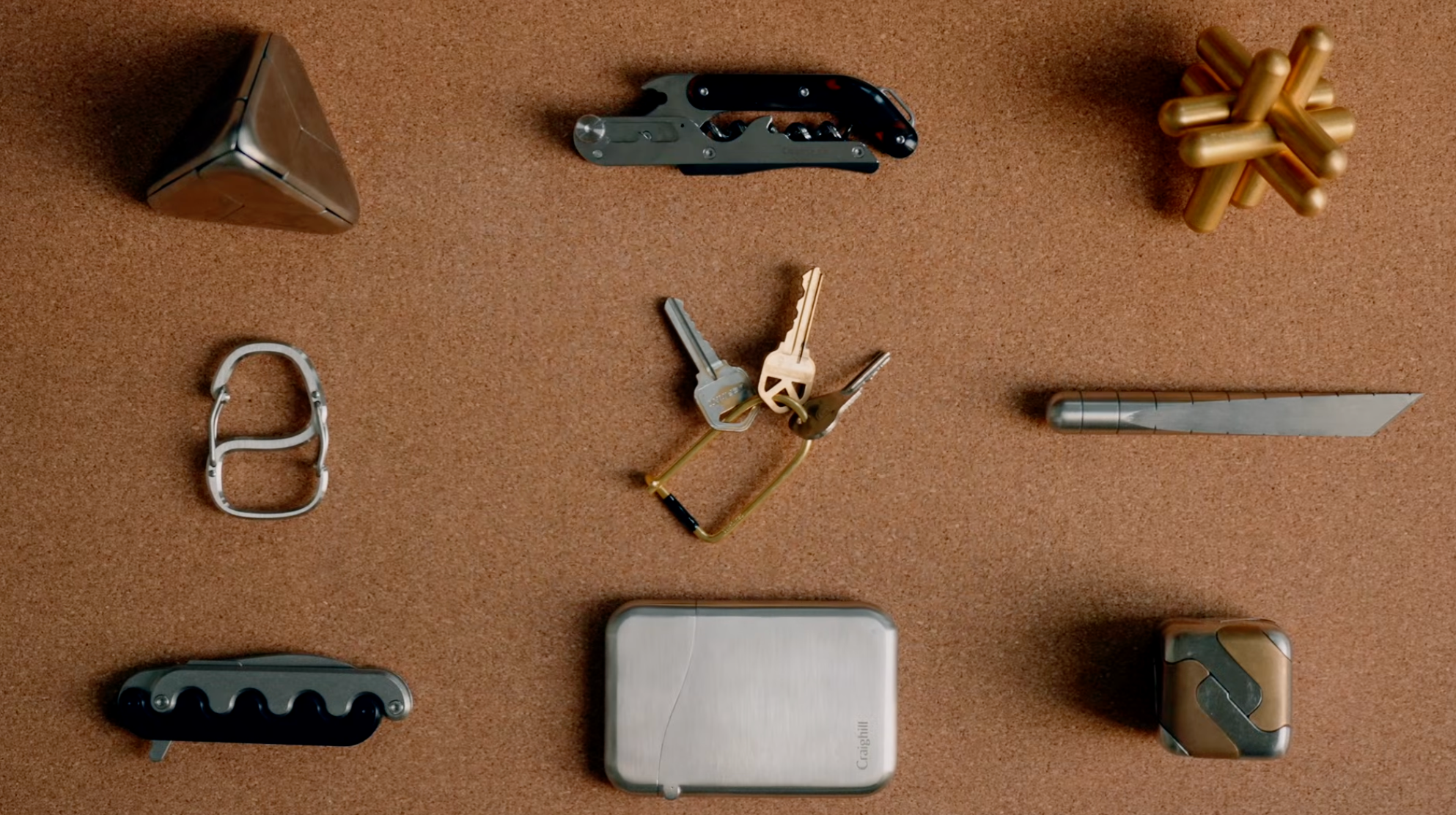
Place several Craighill objects together on a table, and they feel related, even if they serve completely different functions. That's because every product shares a coherent design language built on three pillars.

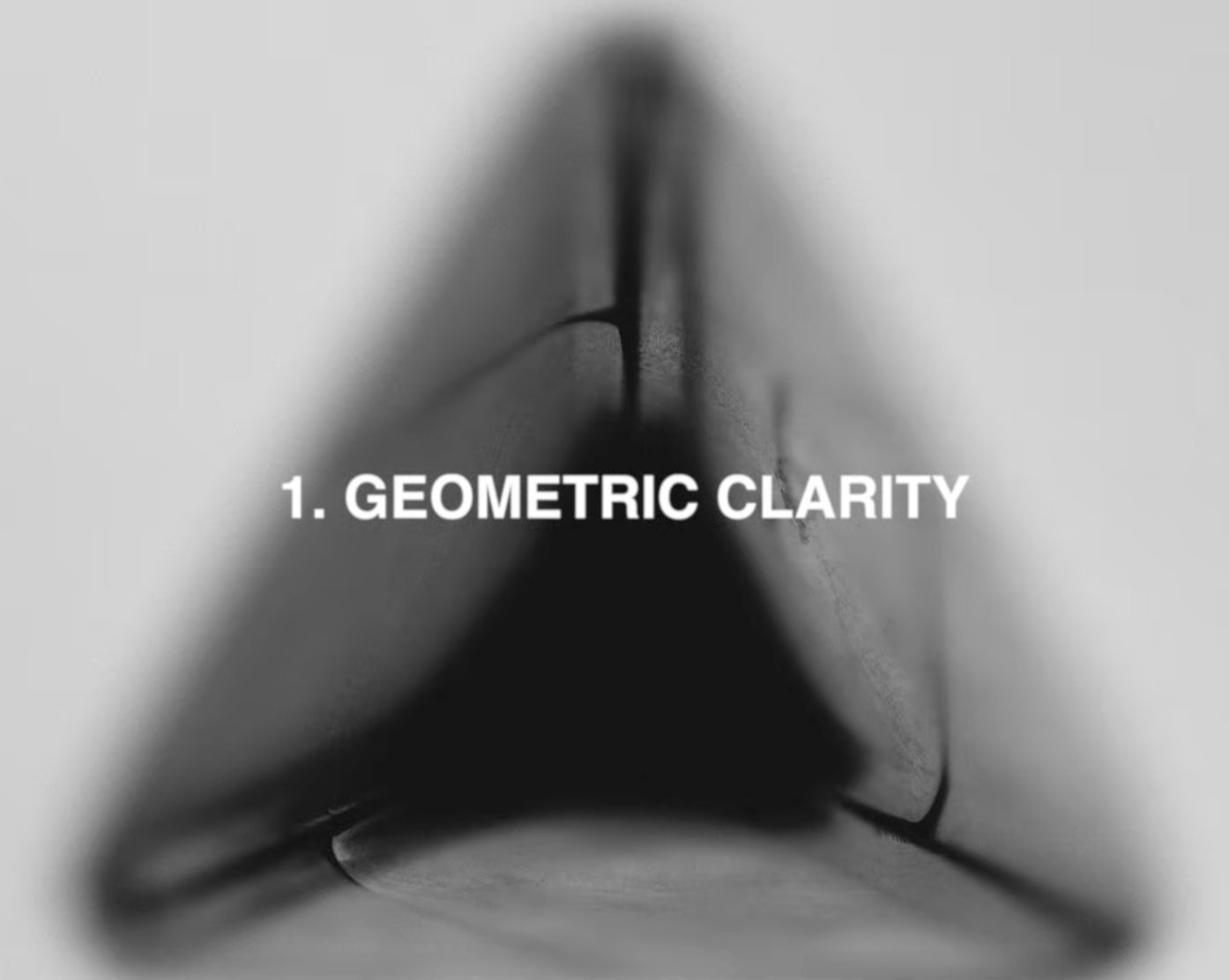
Geometric clarity. Craighill designs favor simple, elemental forms: circles, cylinders, triangles, helices. These shapes produce clean visuals while also strengthening structural integrity.

Mechanical honesty. Nothing is hidden. You can often understand exactly how a product works simply by looking at it. A hinge, a wire loop, a machined groove: these become part of the aesthetic rather than something to disguise.

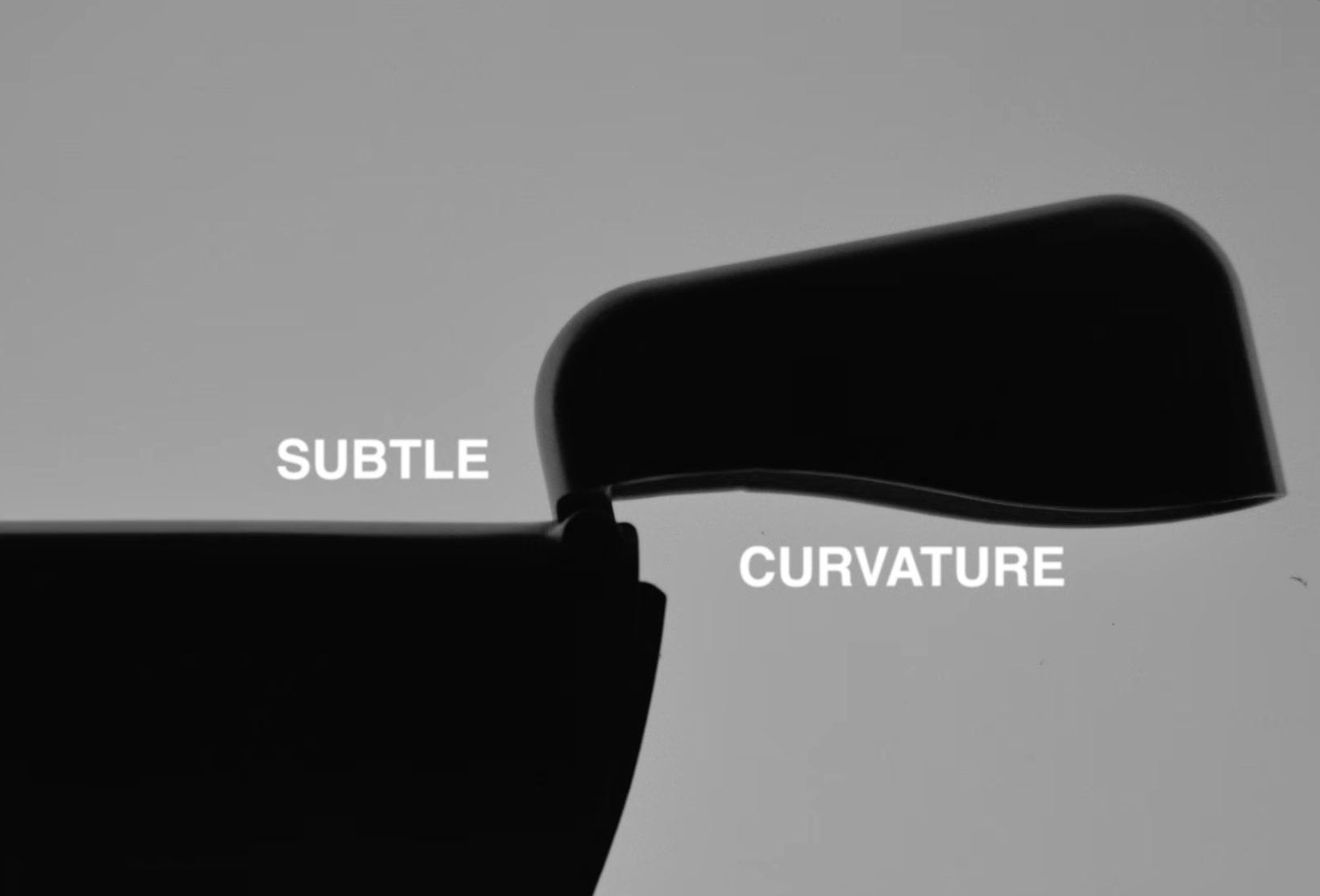
Tactility. Many Craighill objects are designed to feel satisfying in the hand. Knurling, weight distribution, and subtle curvature all contribute. Some products almost behave like design toys — you pick them up because they're genuinely enjoyable to hold.

This combination of precision and playfulness is what sets Craighill apart.

Watch BrandsWalk Youtube Video

Continued in Part 2