Apple's Longest Commitment and the Studio XDR

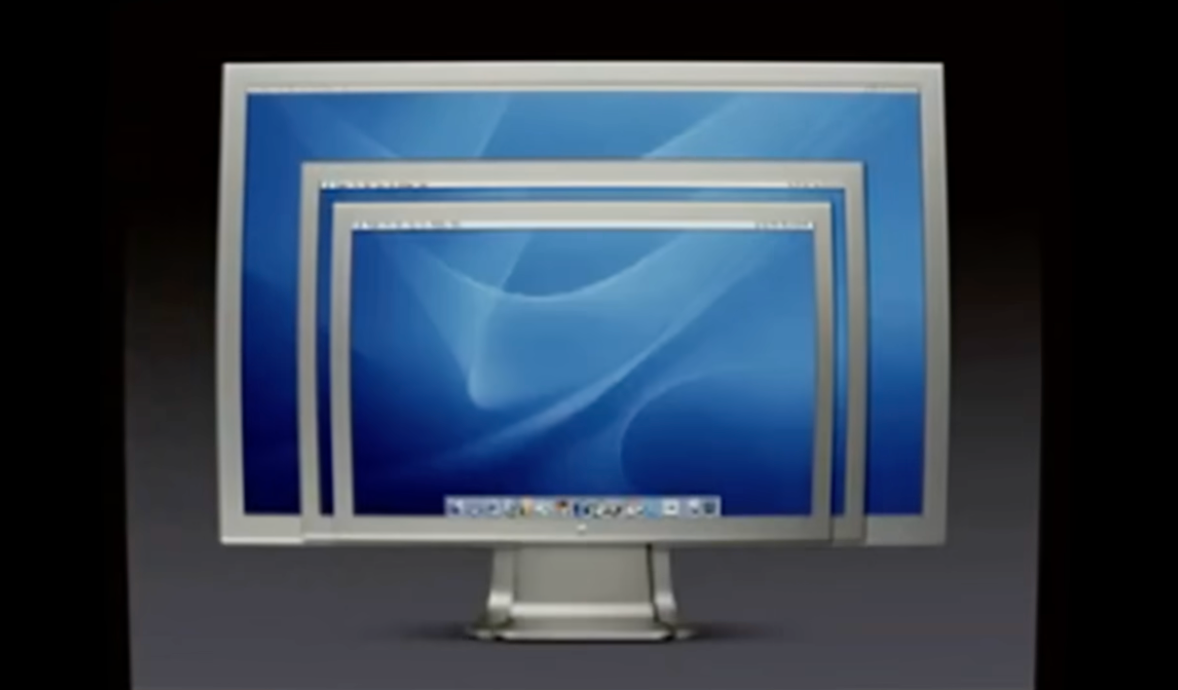
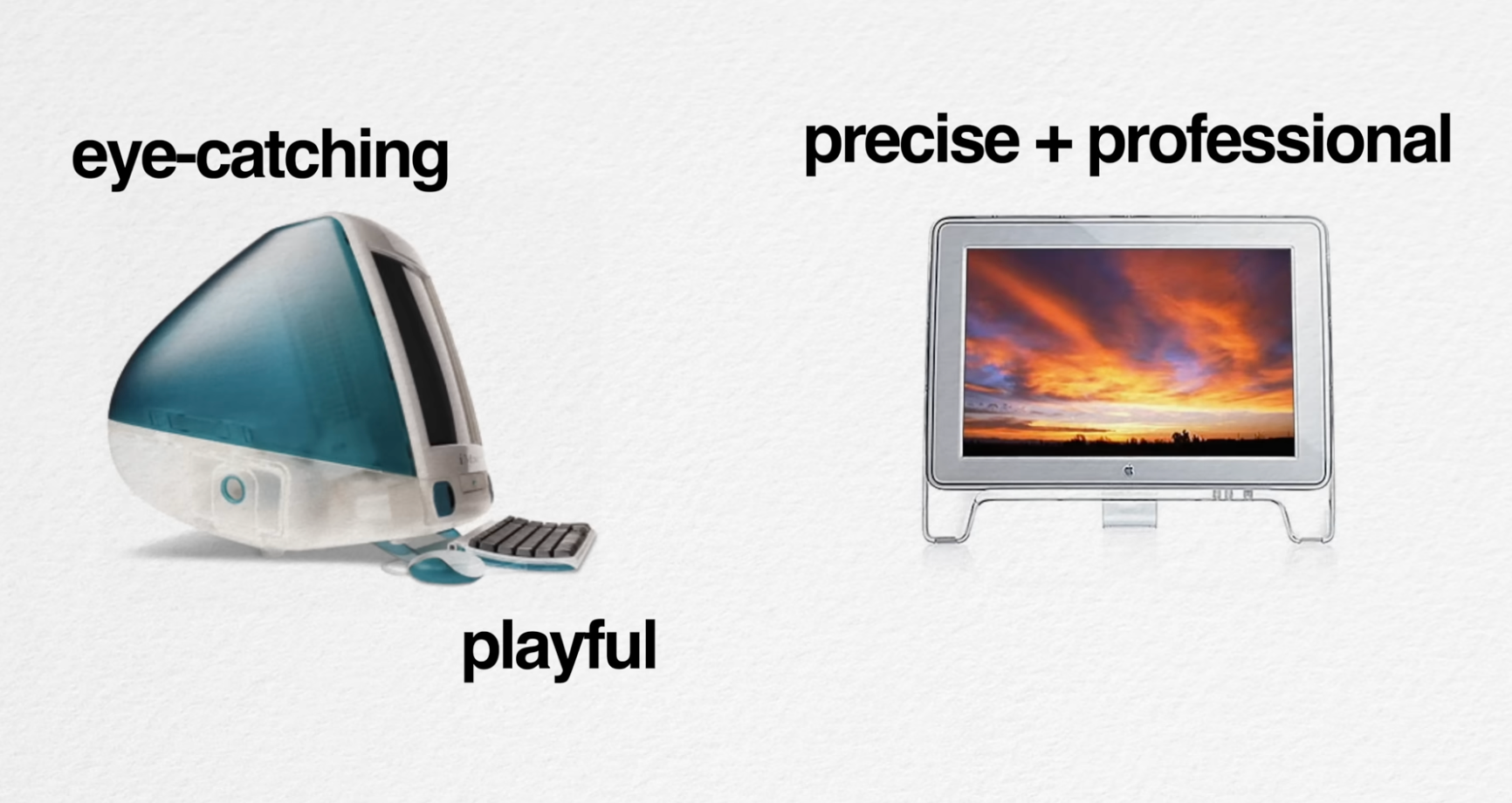
Before 2004, Apple was designing for two worlds simultaneously. The iMac G3 brought color and translucent personality to computing. It was memorable and approachable, almost playful. Right next to it sat the Power Mac G4, graphite and industrial, built for professionals who needed their tools to feel serious. Different materials, different moods, different audiences. Apple was searching, trying to understand what their products should say. The Cinema Display was where that search ended. Aluminum, restrained, unified. Apple stopped experimenting and started refining.
That shift is exactly what leads us to the Studio Display XDR.

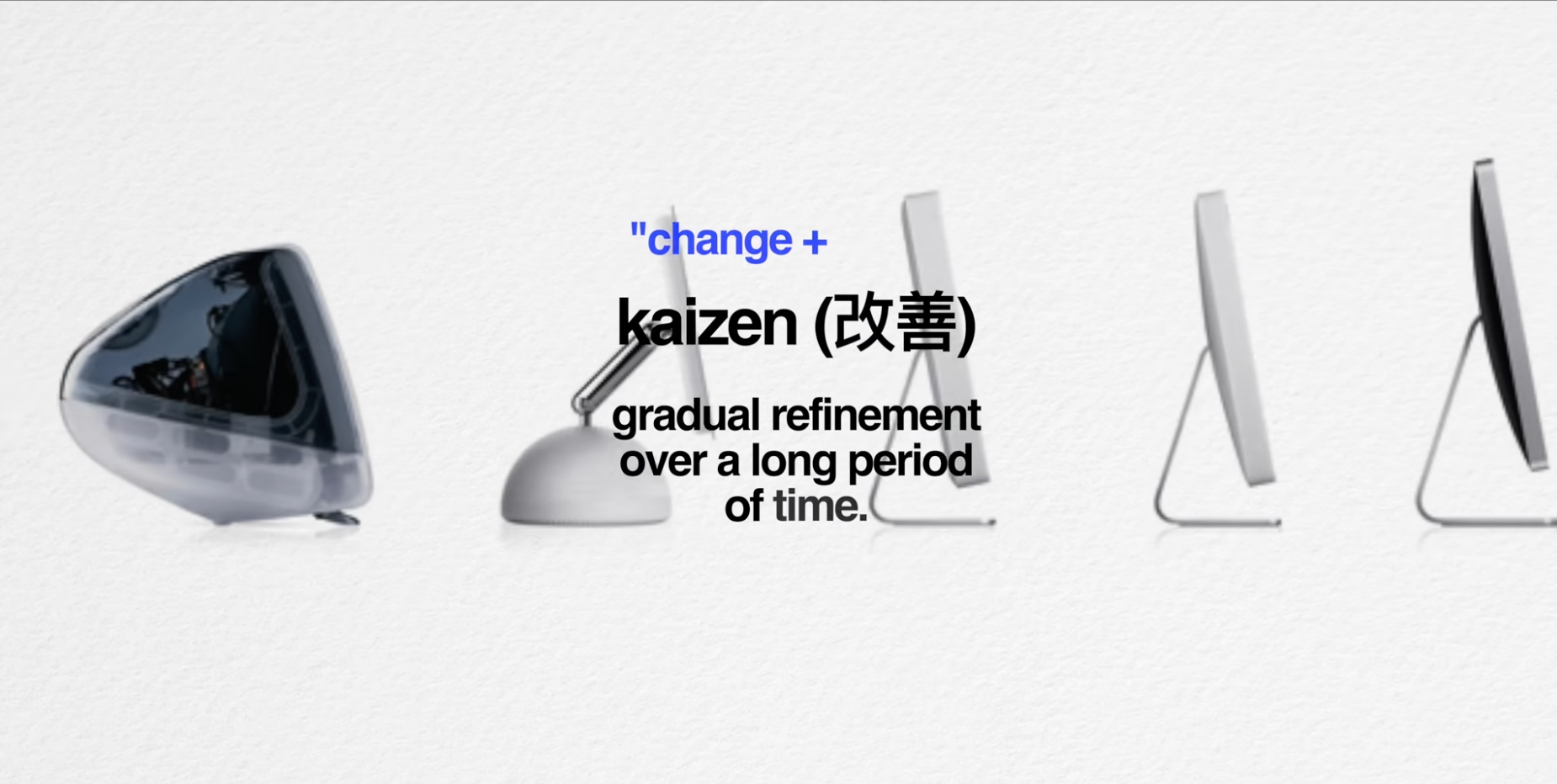
There is a Japanese philosophy called Kaizen: no drastic changes, no unnecessary reinvention, just improving what already works until it cannot be improved further. Apple has followed this almost religiously in its display lineup, and the clearest proof is not in the specs. It is in the hinge.

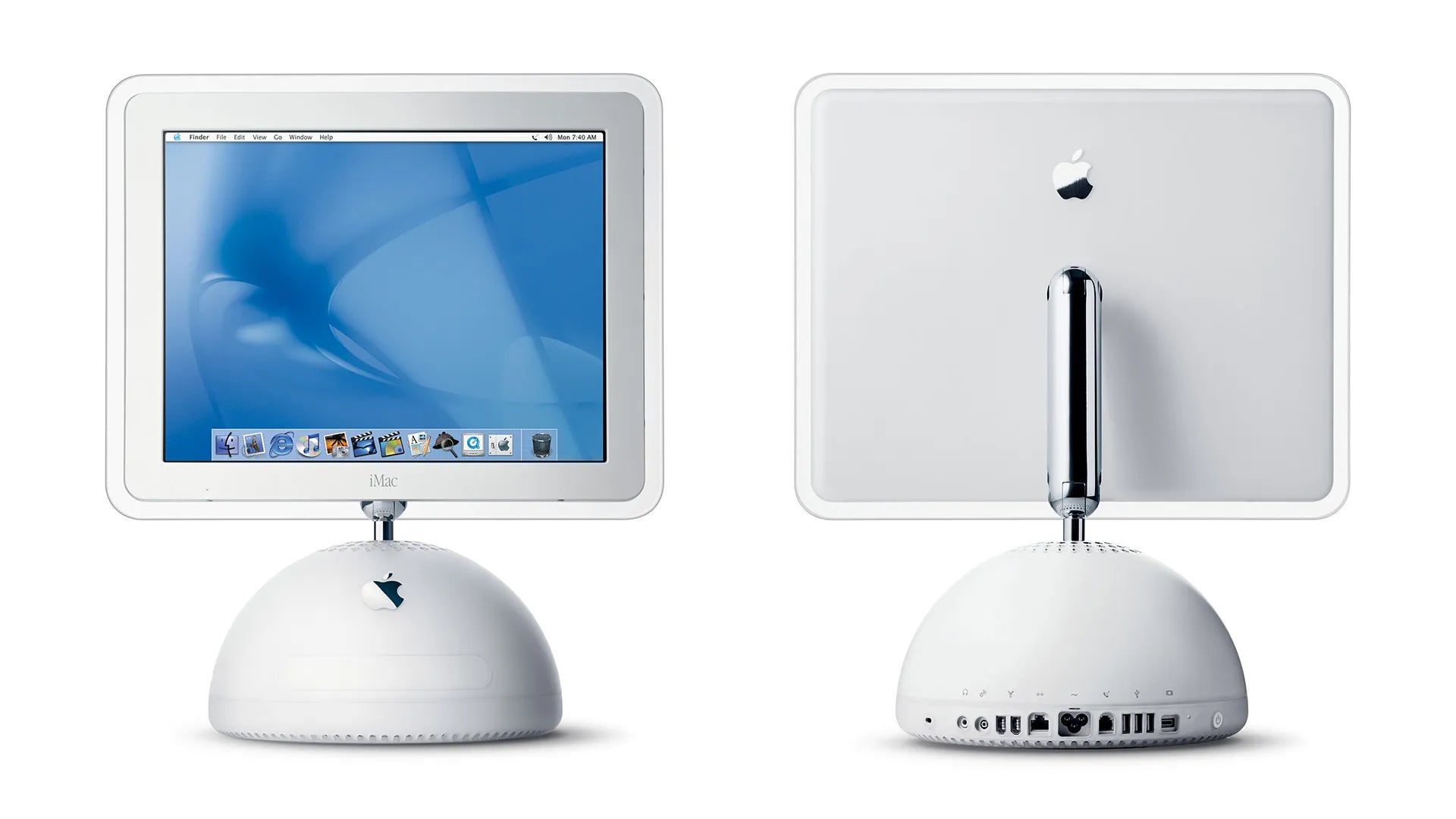
In 2002, the iMac G4 introduced a floating display on an adjustable arm. What made it significant was not how it looked but how it moved. You could reposition it with one finger. It would glide, hold its place, and feel perfectly balanced, a counterbalance system engineered to disappear the moment you touched it. Two years later, the Cinema Display carried that same thinking forward in a different form. The stand did not call attention to itself. It just worked, quietly and predictably.

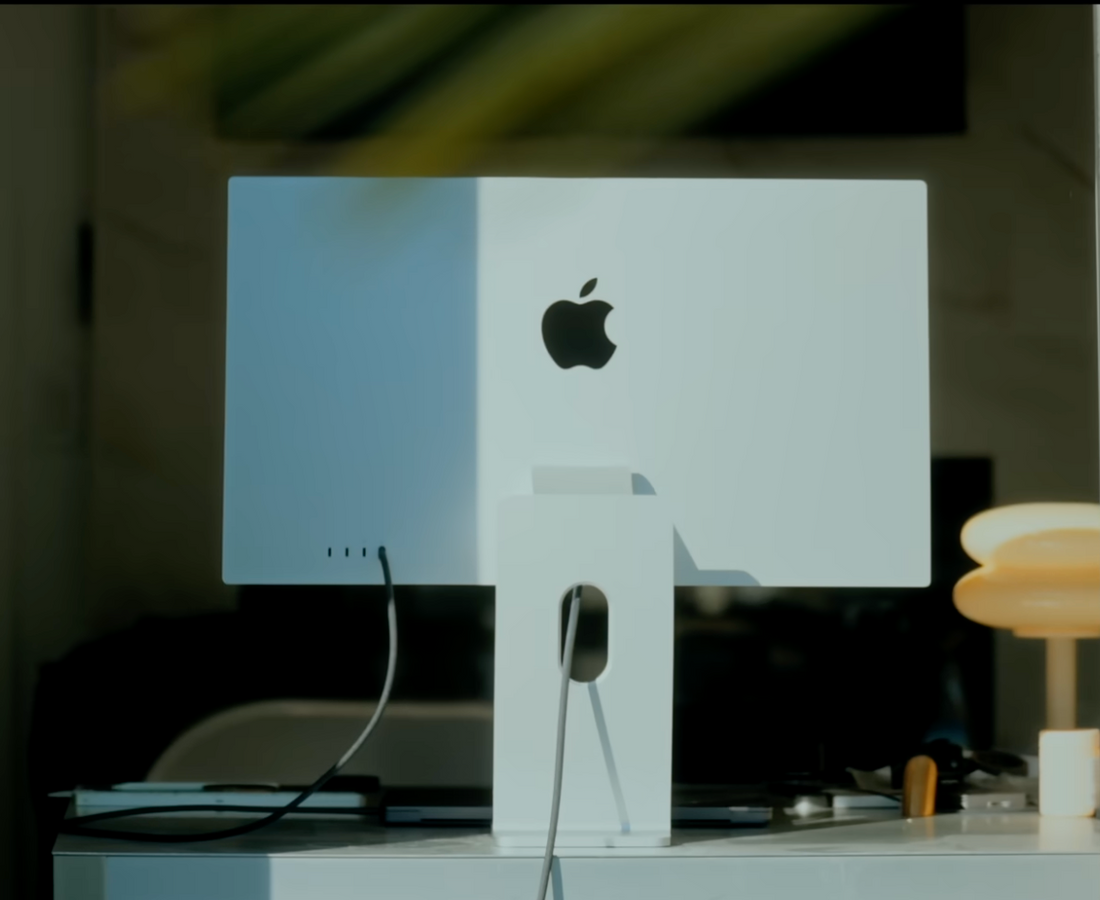
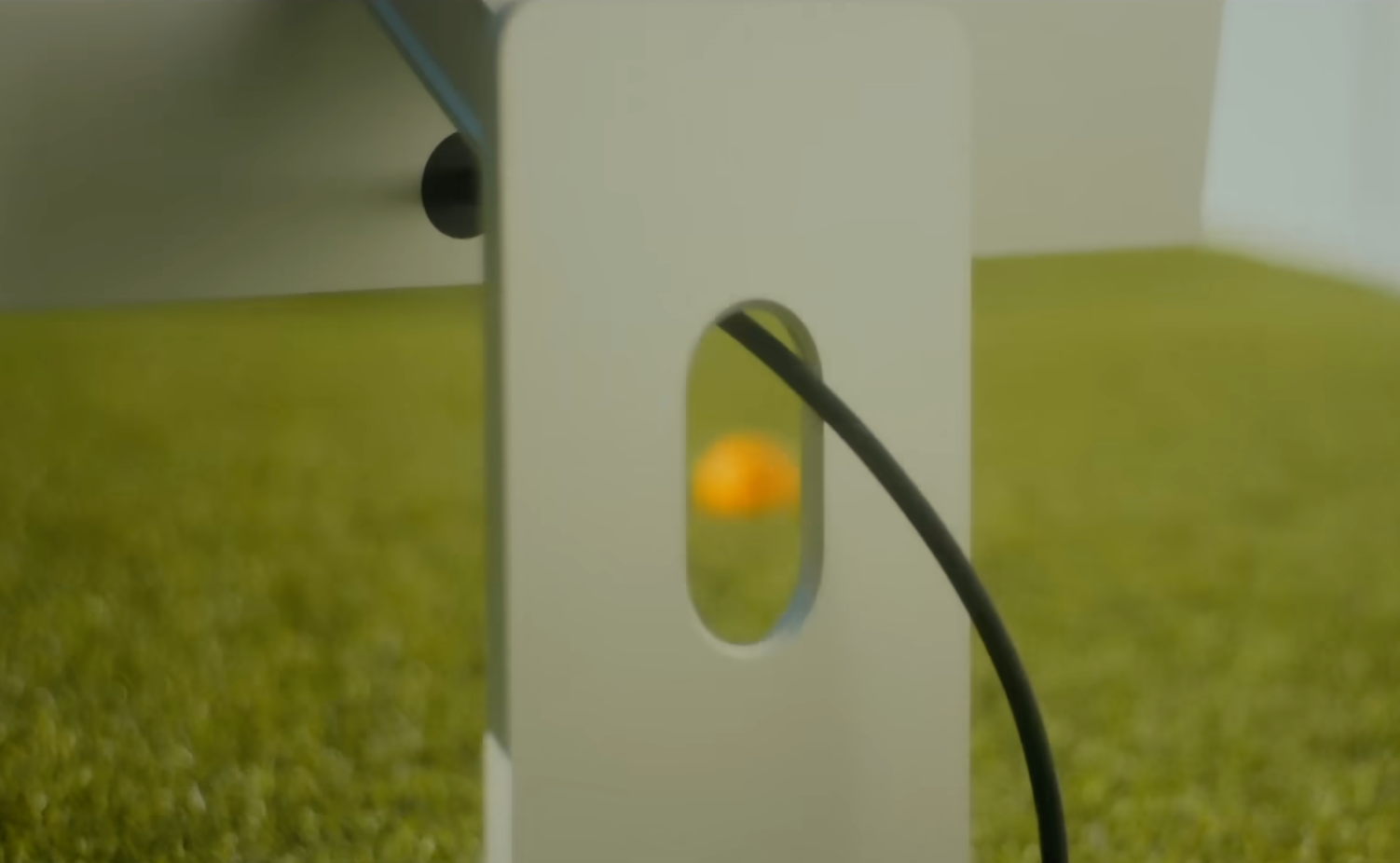
The Studio Display XDR continues that line. The way the display tilts, the resistance, the way it holds position without effort: it feels like a decision that has been refined across two decades rather than solved last year. Put the Cinema Display and the Studio Display XDR side by side and you would be hard pressed to say they are more than 20 years apart. That is not a failure of imagination. That is the point.

We have been using the Studio Display XDR for the past few weeks, coming from the original Studio Display released in 2022. That monitor was excellent in build quality and design, but it left things on the table. The most frustrating of those was ProMotion. Moving from an M3 Max MacBook Pro to a 60Hz display meant a visible flicker when scrolling, a constant low-grade reminder that the screen was working against the machine it was connected to.

The Studio Display XDR fixes that. The ProMotion adaptive display is the single biggest quality of life upgrade, and it is the kind of change that is difficult to explain until you have gone back and forth between the two. Scrolling feels continuous rather than stepped. Cursor movement is immediate. It sounds like a small thing until it is gone.

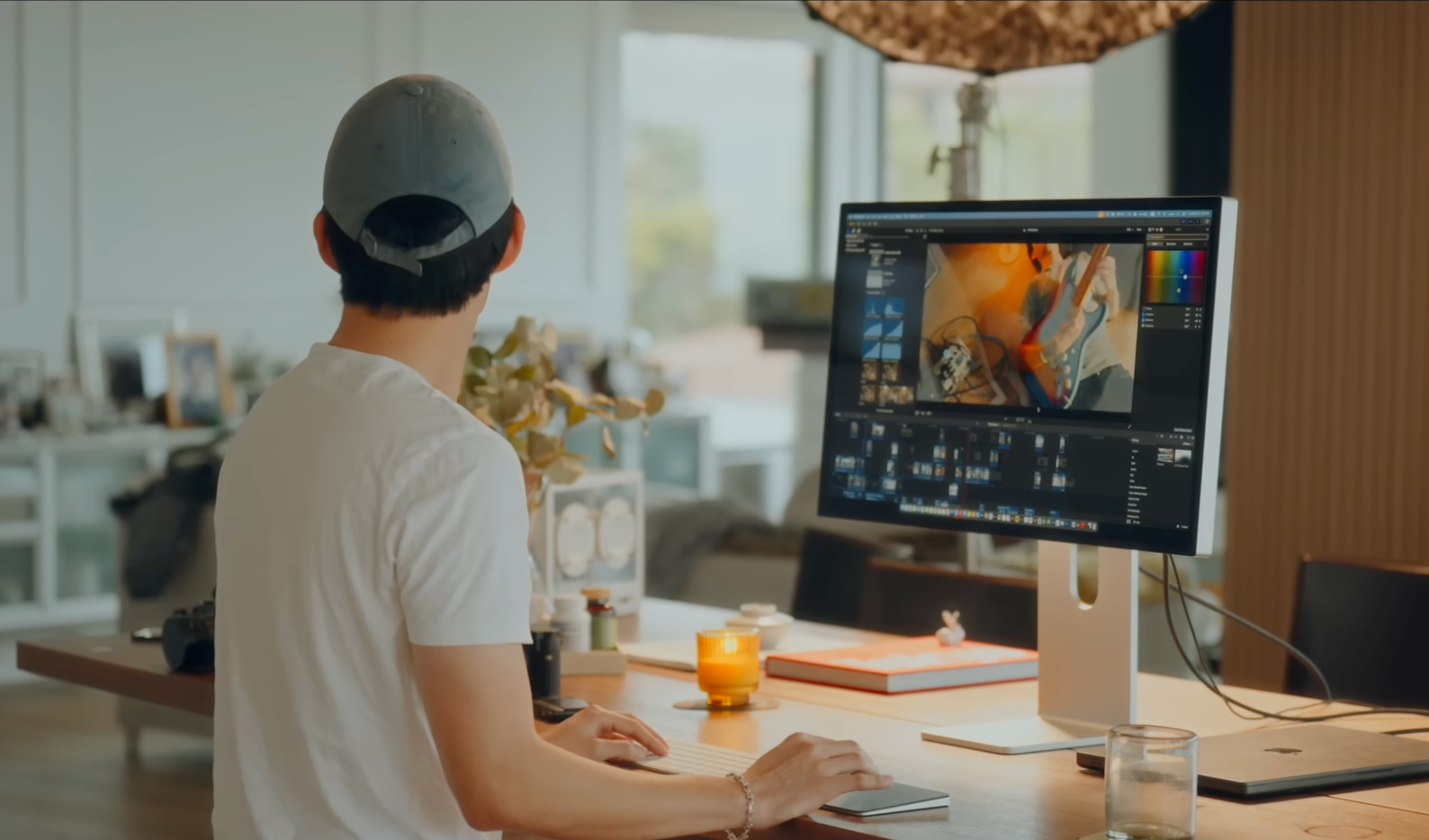
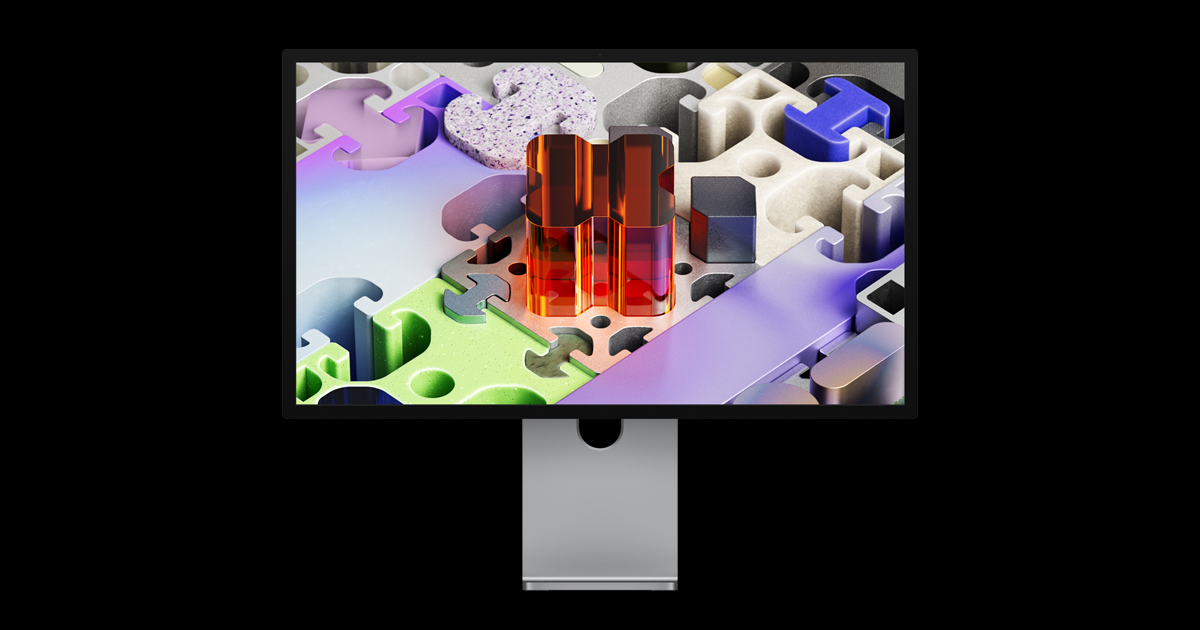
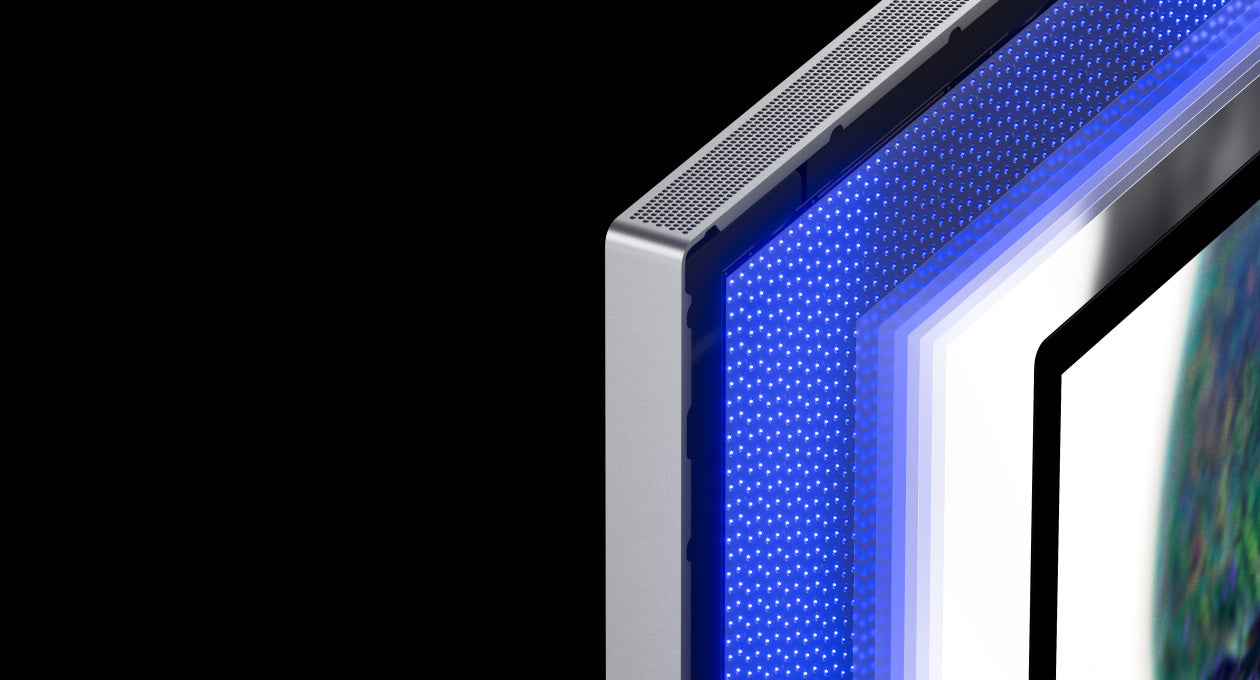
Beyond that, the panel itself: 6K resolution, 1,000 nits of peak brightness, and a color accuracy that makes both video editing and everyday use feel like the display is getting out of the way rather than interpreting what you are looking at. The height-adjustable stand, which cost $1,000 separately on the Pro Display XDR, is included here. The fact that this needs to be noted says something about how Apple has historically priced its professional accessories. The fact that it is included now says something about where Apple is positioning this display.

On the size question: the Studio Display XDR is 27 inches against the Pro Display XDR's 32. In daily use, this has not been a meaningful limitation. The 27-inch format sits at a distance that feels considered rather than compromised. Larger is not always more. Sometimes it is just more to manage.

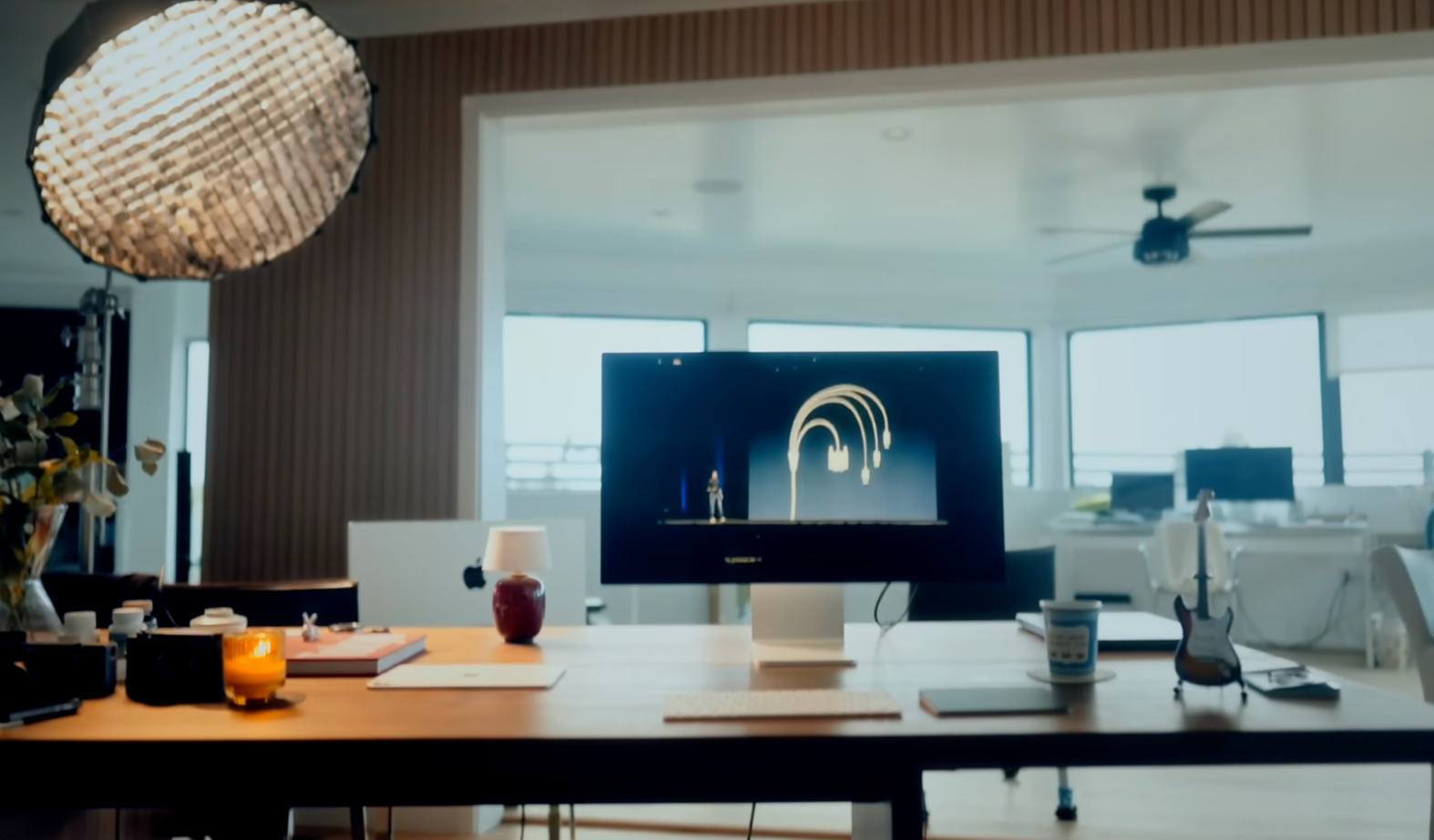
Apple is also quietly retiring the Pro moniker across its lineup, and the Studio Display XDR feels like part of that shift. The definition of professional has changed. These tools are no longer confined to dedicated studios and production houses. They are on desks in apartments, in home offices, in spaces where the boundary between creative work and daily life is intentionally blurred. Apple seems to understand this, and the Studio Display XDR is priced and positioned accordingly, closer to the original Studio Display than to the Pro Display XDR it is effectively replacing.

What stays constant through all of it is the commitment to the design language that started in 2004. The aluminum, the restrained stand, the bezel that has been shrinking incrementally for two decades. The Studio Display XDR does not ask you to notice it. It asks you to work.
That, as it turns out, is exactly what we want from a display.