The Story of Craighill Part 2: BrandsWalk's Favorite Products

BrandsWalk Creative |
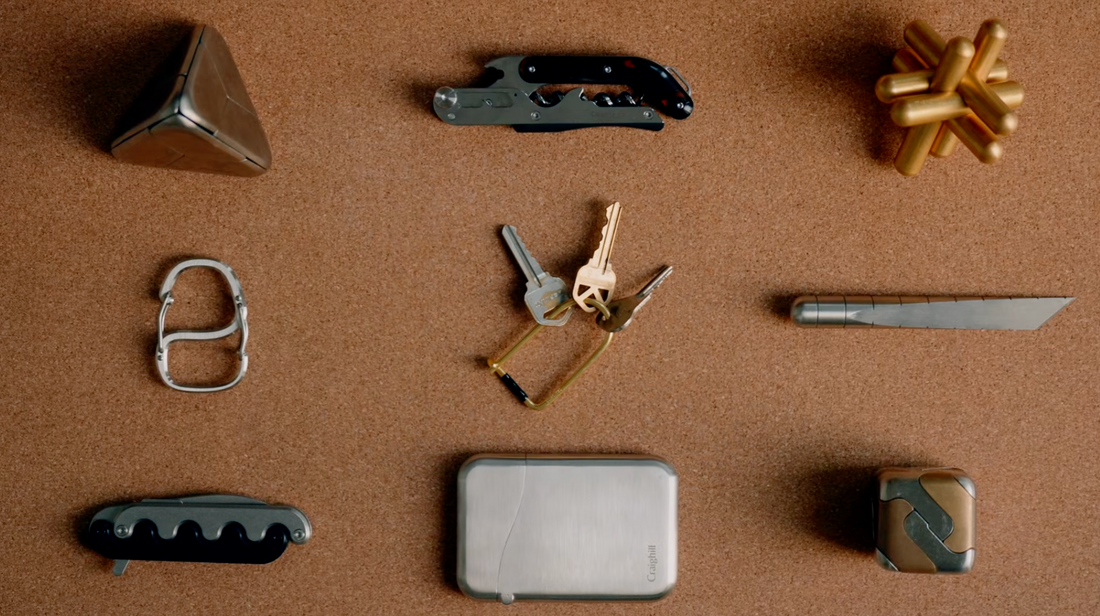
There is a certain kind of design problem that nobody talks about, because it doesn't present itself as a problem. Your keyring works. Your box cutter cuts. The puzzle from the airport gift shop technically interlocks. Nothing is broken. Nothing needs fixing.

Craighill disagrees.

Not with the function. With the assumption that function is enough. The objects Hunter Craighill's studio keeps returning to are ones that have been solved mechanically but abandoned aesthetically. The brief, in each case, is essentially the same: this exists, it works, and it looks terrible. What if it didn't?

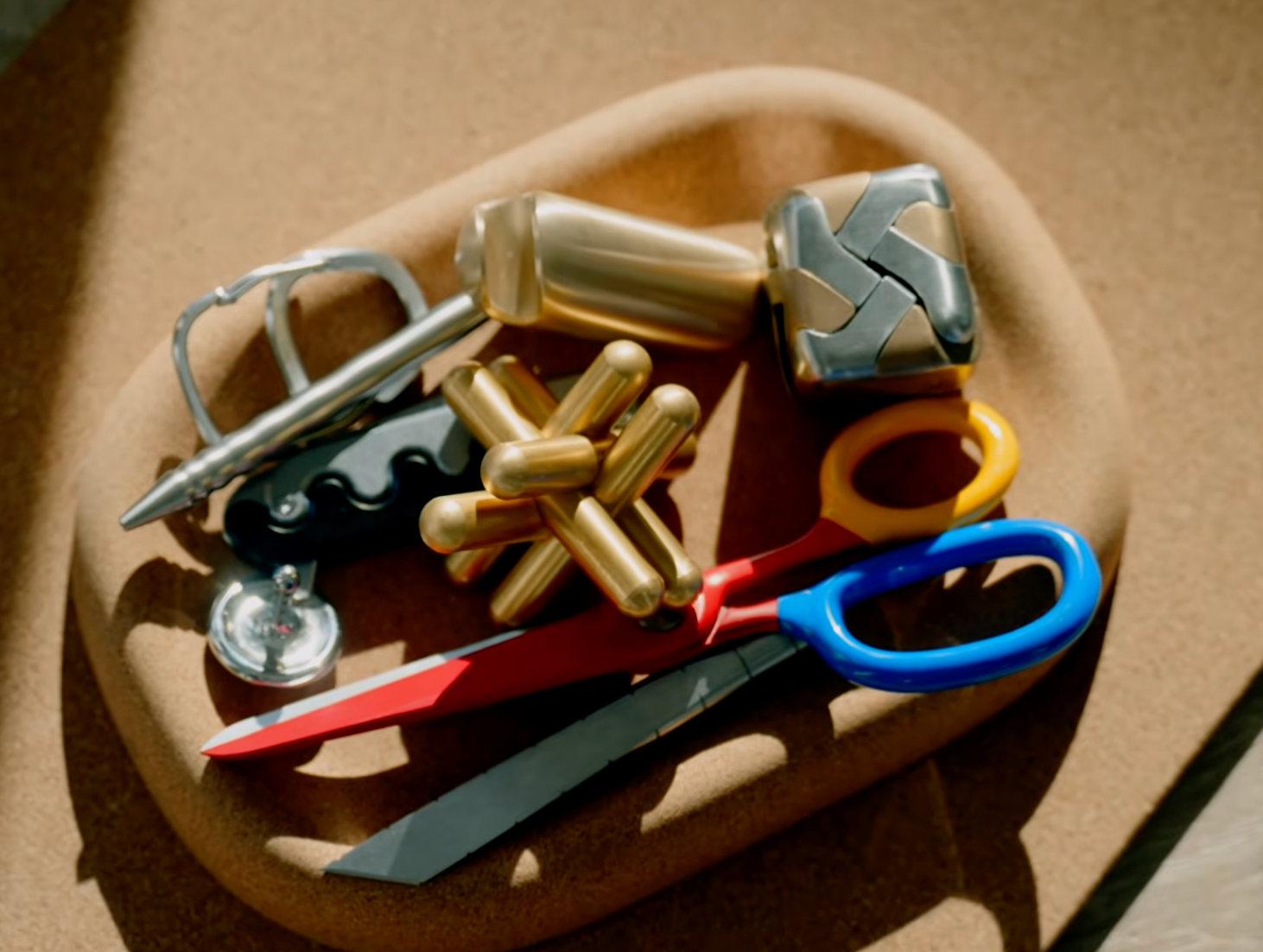
These are the three Craighill objects that make that argument most clearly.

The Wilson Key Ring

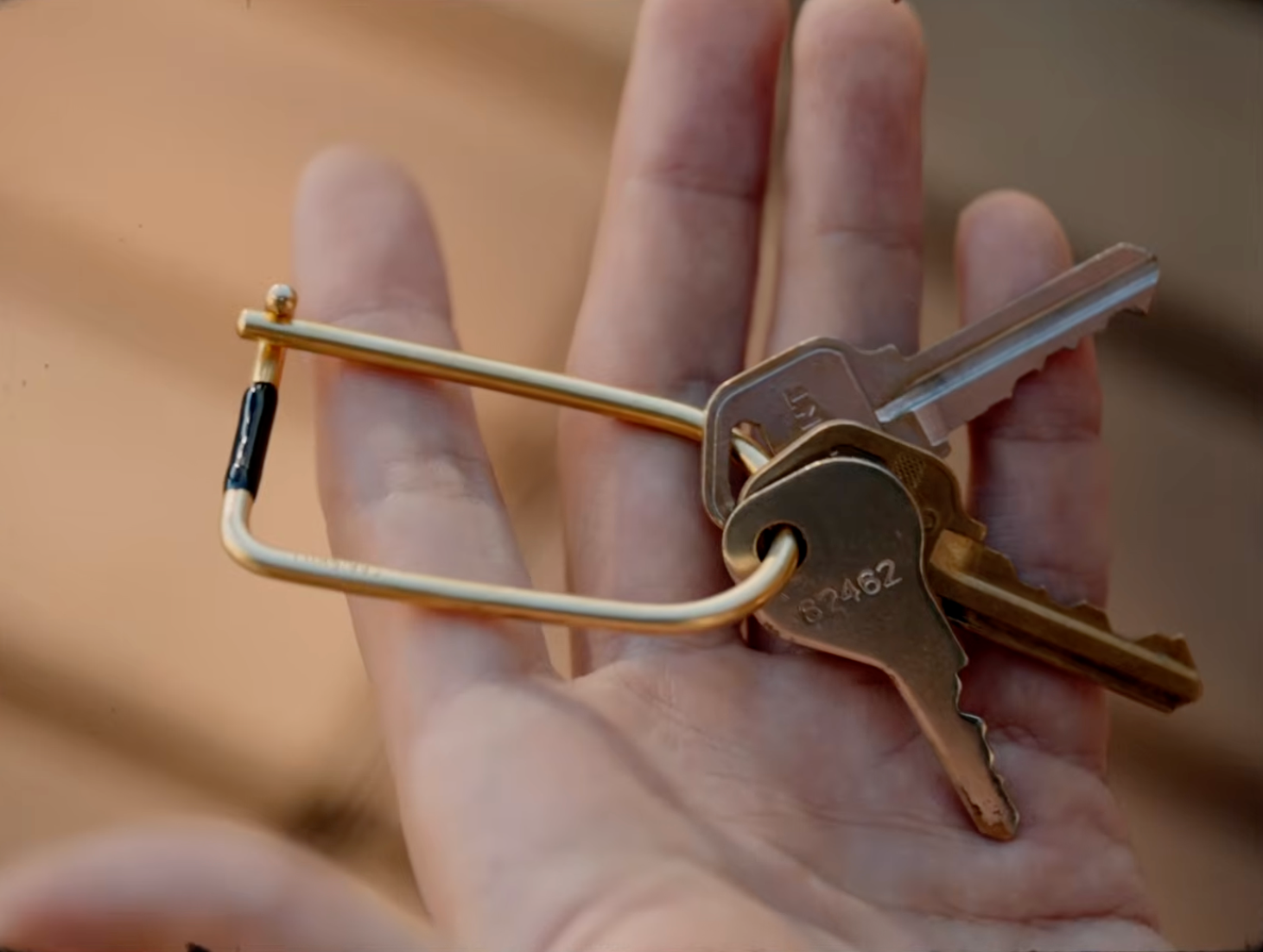
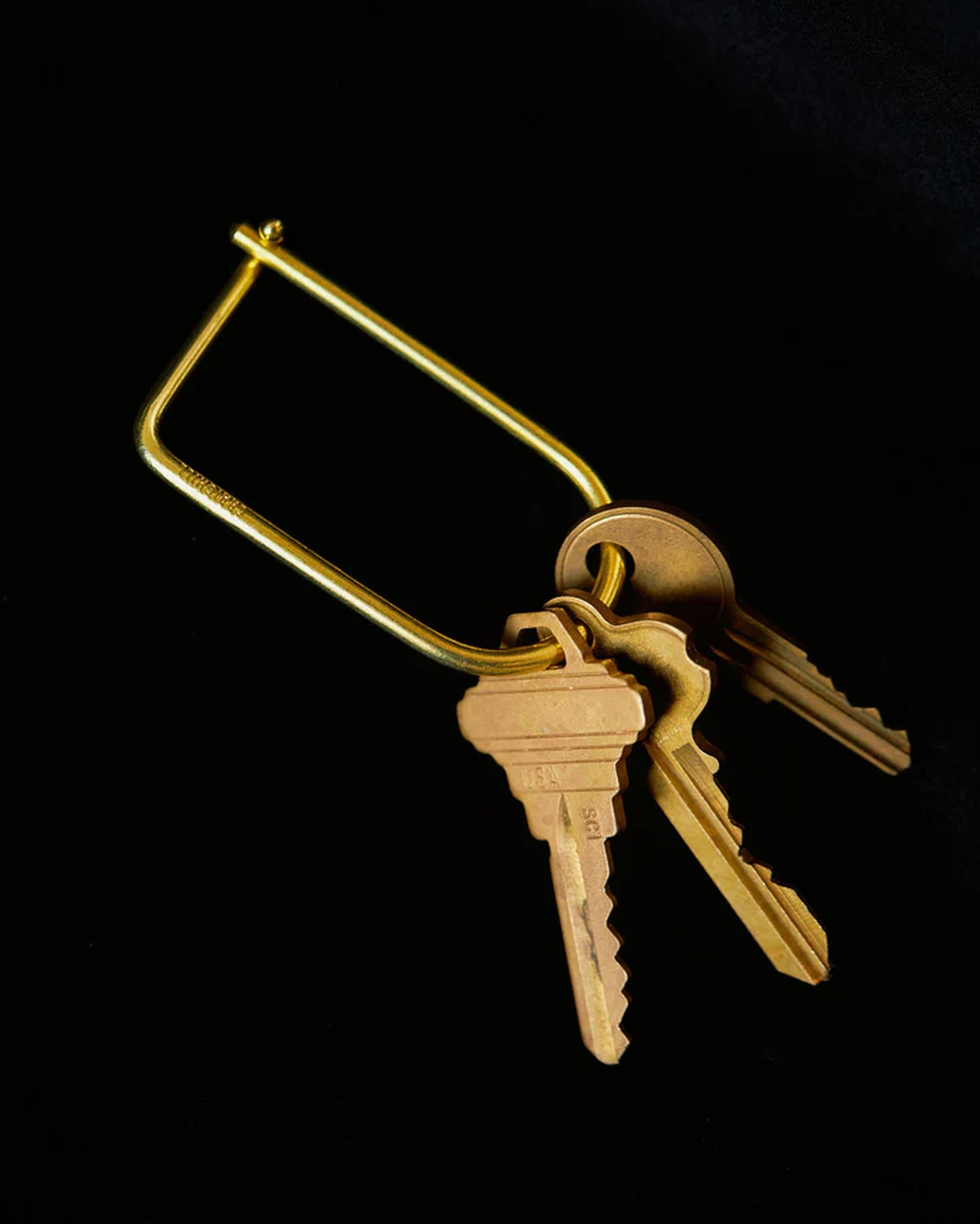
Most keyrings are an afterthought. A split ring stamped from thin steel that scratches your palm, loosens over time, and announces itself with a jangle every time you reach into your pocket. The Wilson Keyring doesn't solve any of that by adding more. It solves it by removing almost everything.

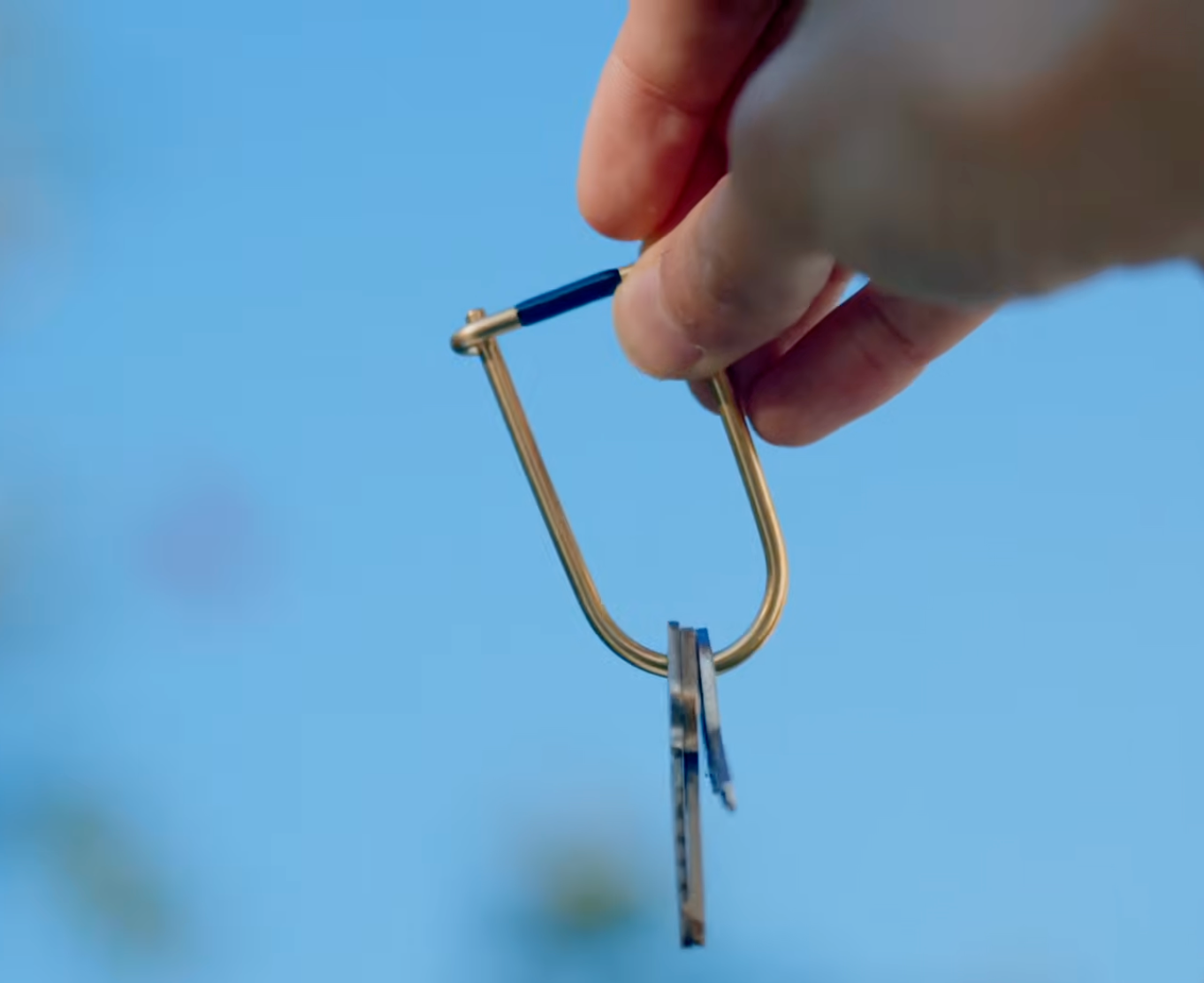
A single loop of cold-rolled brass wire, corners rounded so gently the transition is felt before it's seen. The hook that closes the form and holds your keys is also the only moving part. No secondary mechanism, no clasp, no spring. The gold tone of the brass isn't decorative in the conventional sense; it deepens with handling, which means the object you carry for three years looks more considered than the one you started with.

The design word Craighill earns here is restrained. Not minimal as a style exercise, but minimal because every element is doing two jobs at once, and anything that wasn't doing two jobs was removed. The result is a keyring that doesn't compete with what it carries. It recedes, which for something you handle a dozen times a day, is exactly the right decision.

The Desk Knife

The question is fair: why does a box cutter cost seventy dollars?

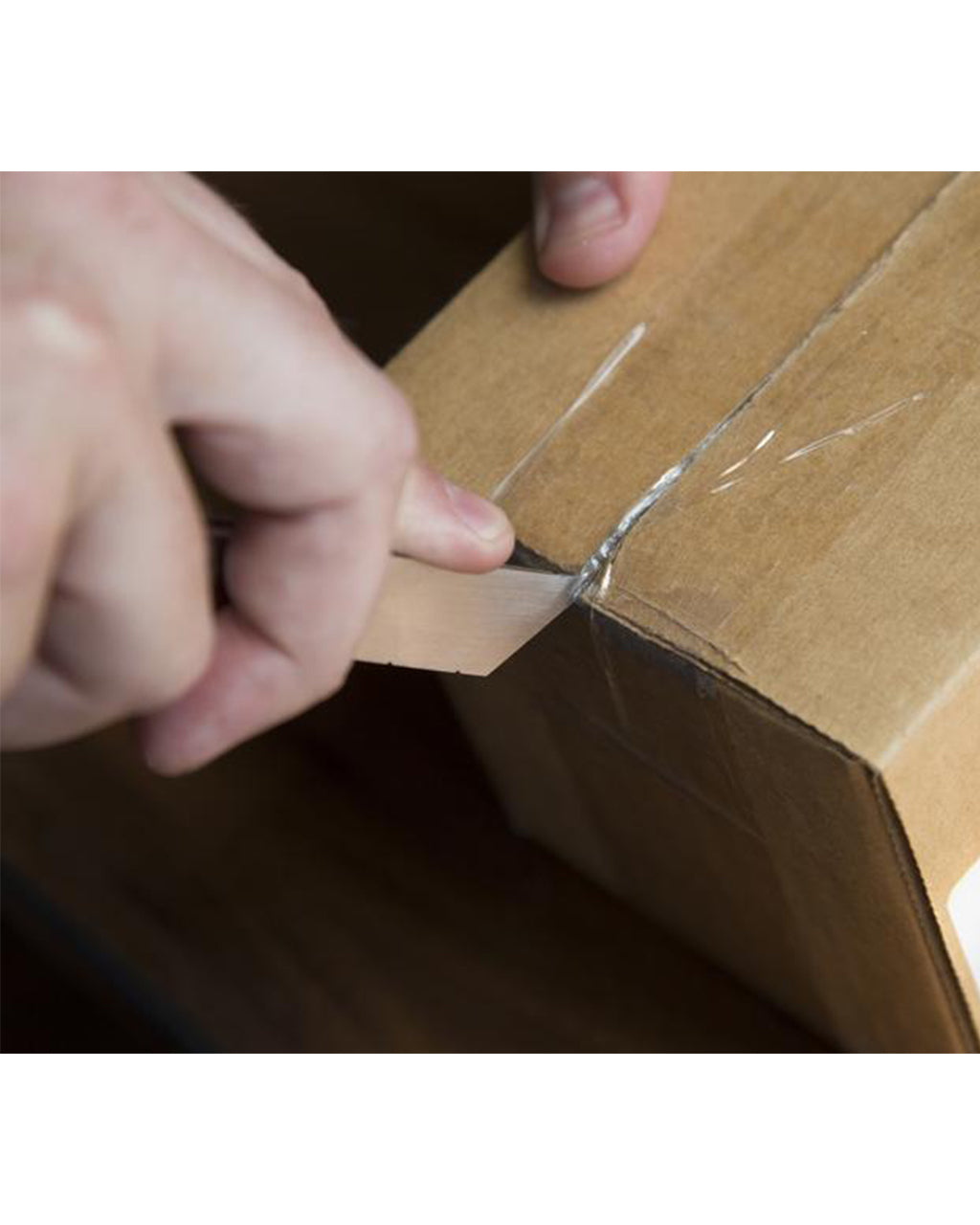
The answer is that Craighill isn't making a box cutter. They're making the case that you shouldn't have a box cutter on your desk at all. The disposable yellow utility knife is as much a design failure as a design choice, and the alternative doesn't require a different mechanism, just a different level of attention to the same one.

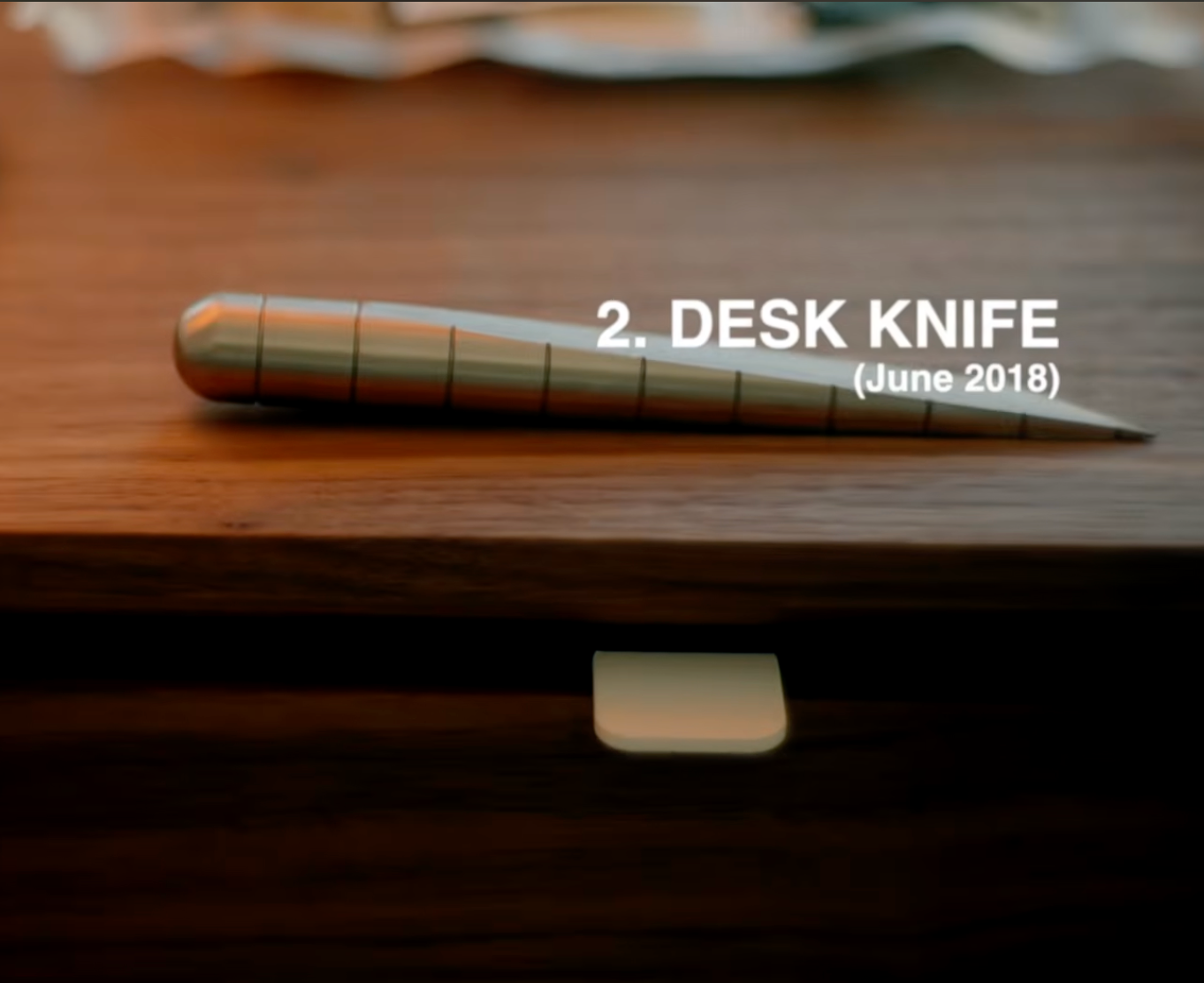
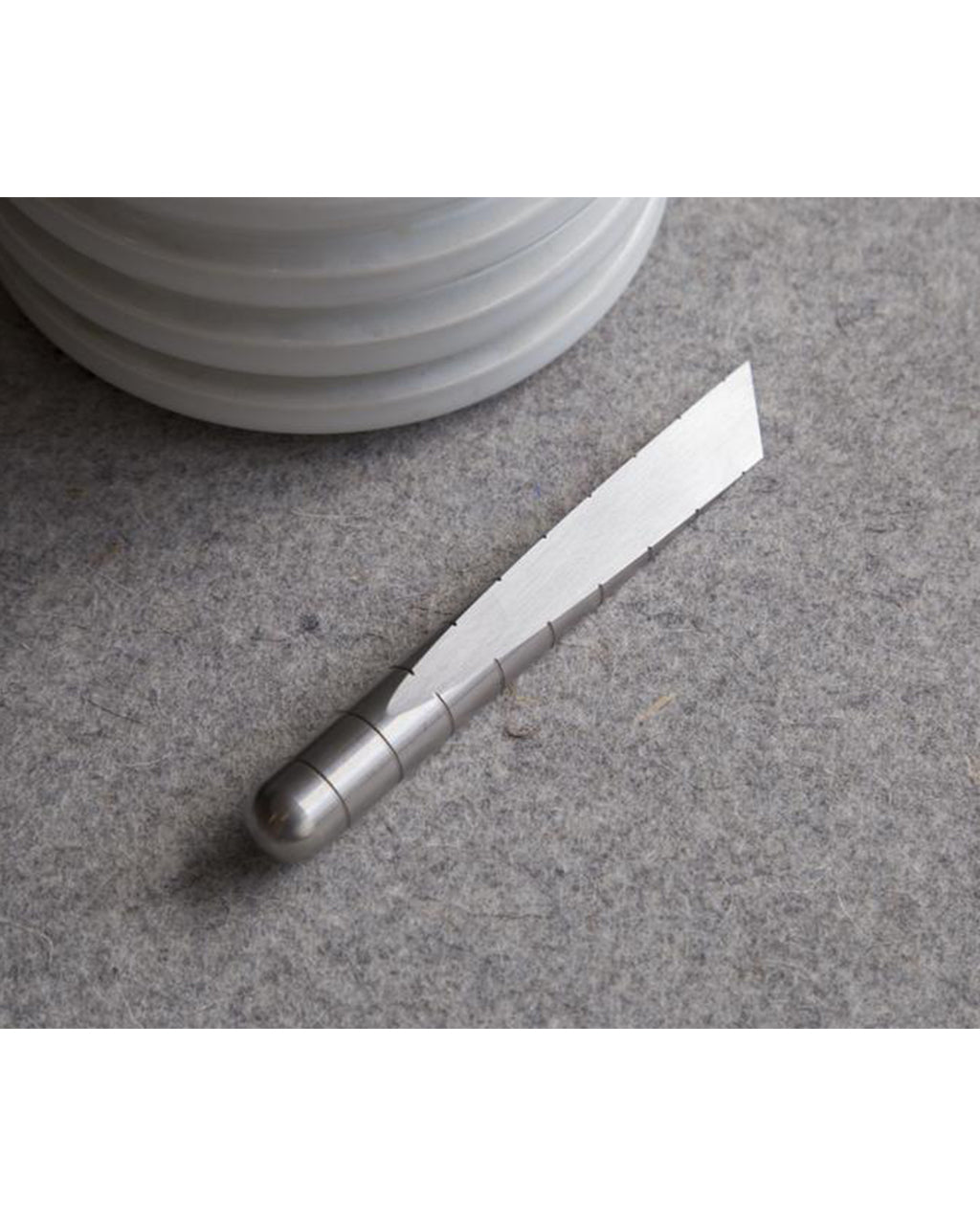
The form comes from the Japanese Kiridashi, a blade tradition known for exceptional sharpness and economy of shape, used in woodworking, crafting, and detail work where precision matters more than force. Craighill's version is a stainless steel cylinder, notched along the grip for purchase, cut diagonally at one end to create the blade angle. That diagonal cut is doing everything: it produces the edge, establishes the blade-to-handle relationship, and gives the object its sculptural quality. There is no separate handle. The form is the handle. The cut is the blade.

On a desk, it reads as a precision tool. In use, it is one. The seventy dollars is not for the cutting. It's for the object that stays on your desk for a decade rather than the one that ends up in a junk drawer after three months.

The Puzzles

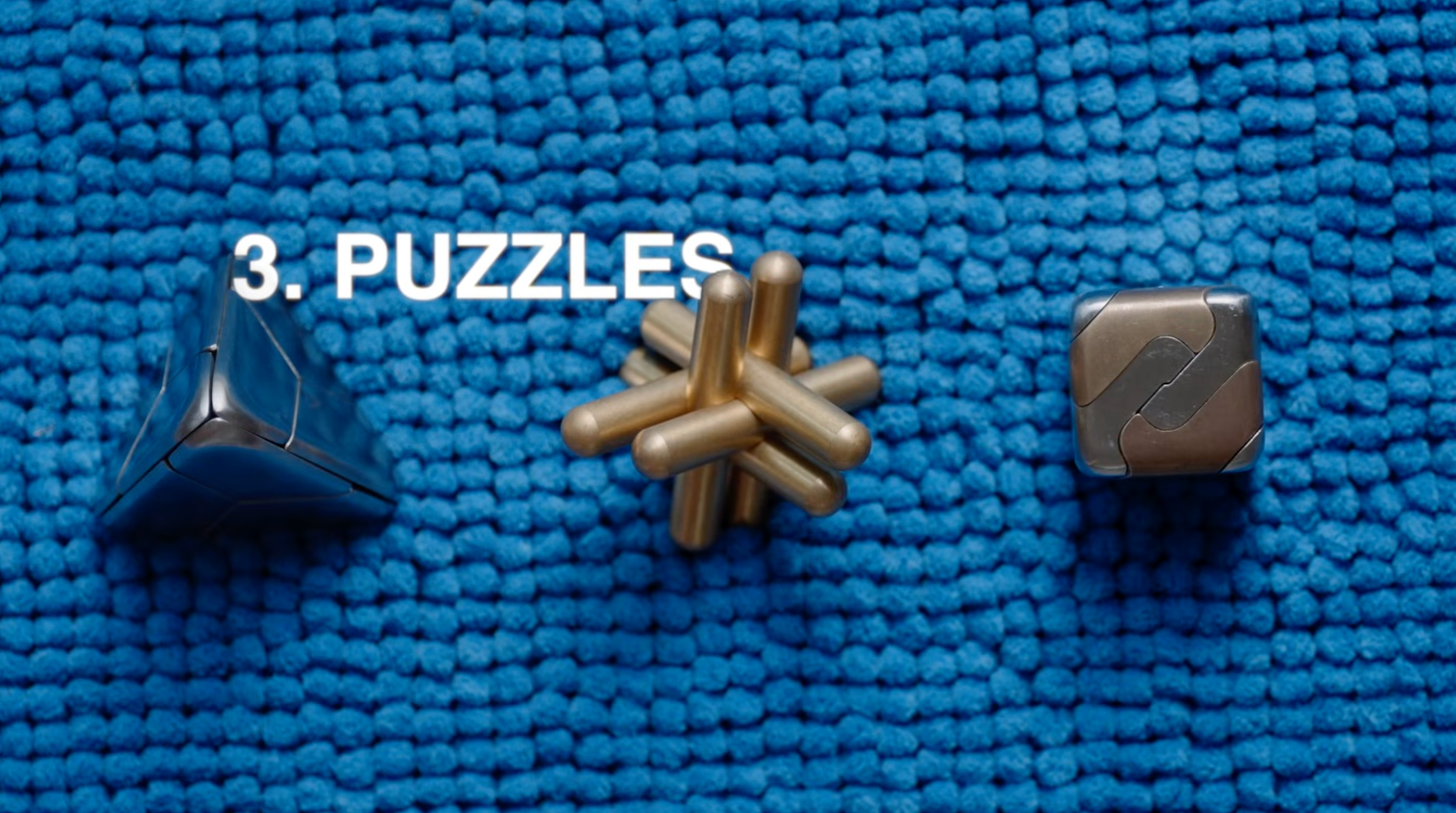
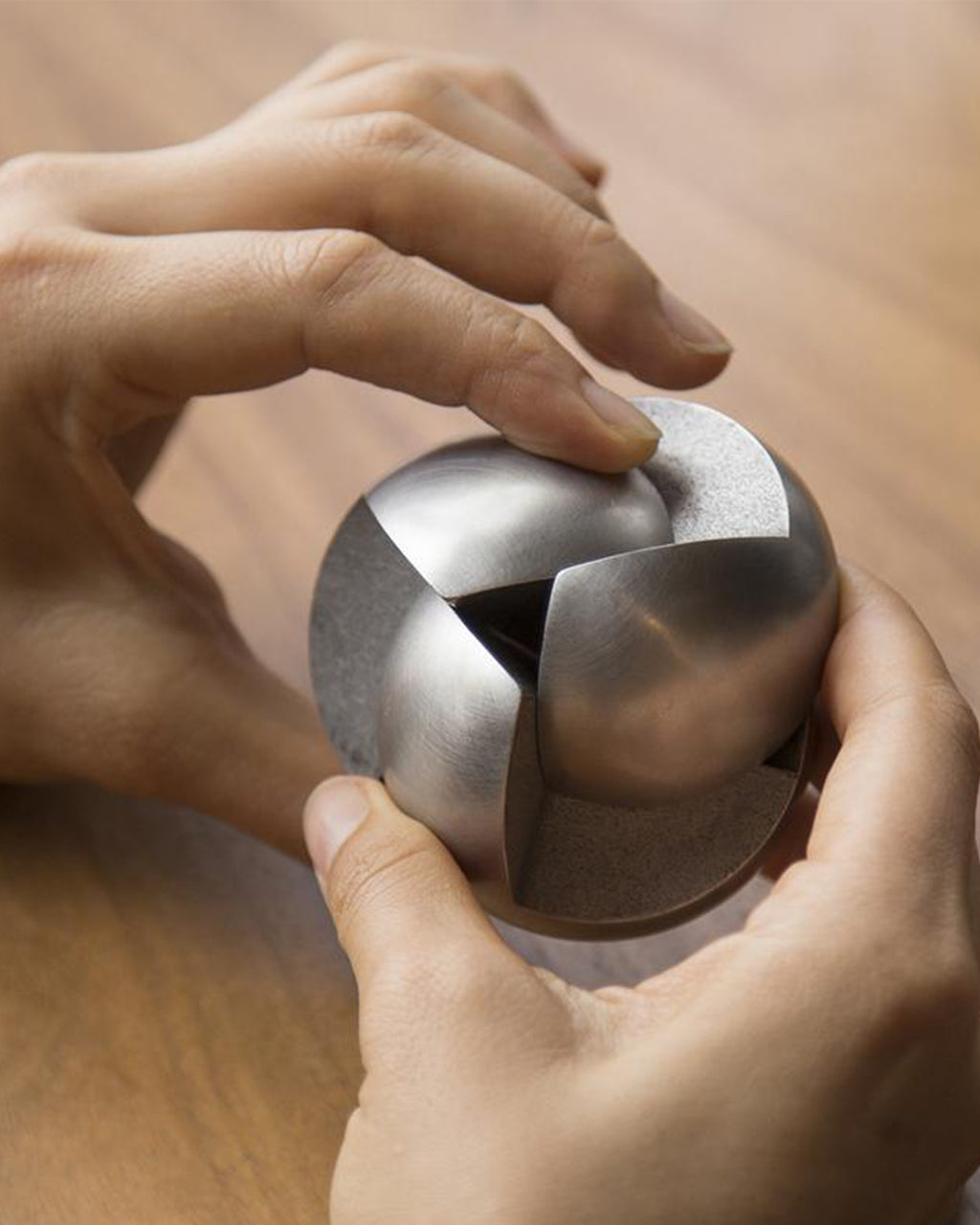
The first thing people do when they see a Craighill puzzle is pick it up. Not to solve it — they don't know it's a puzzle yet. They pick it up because it looks like a sculptural object, a paperweight, something collected rather than played with.

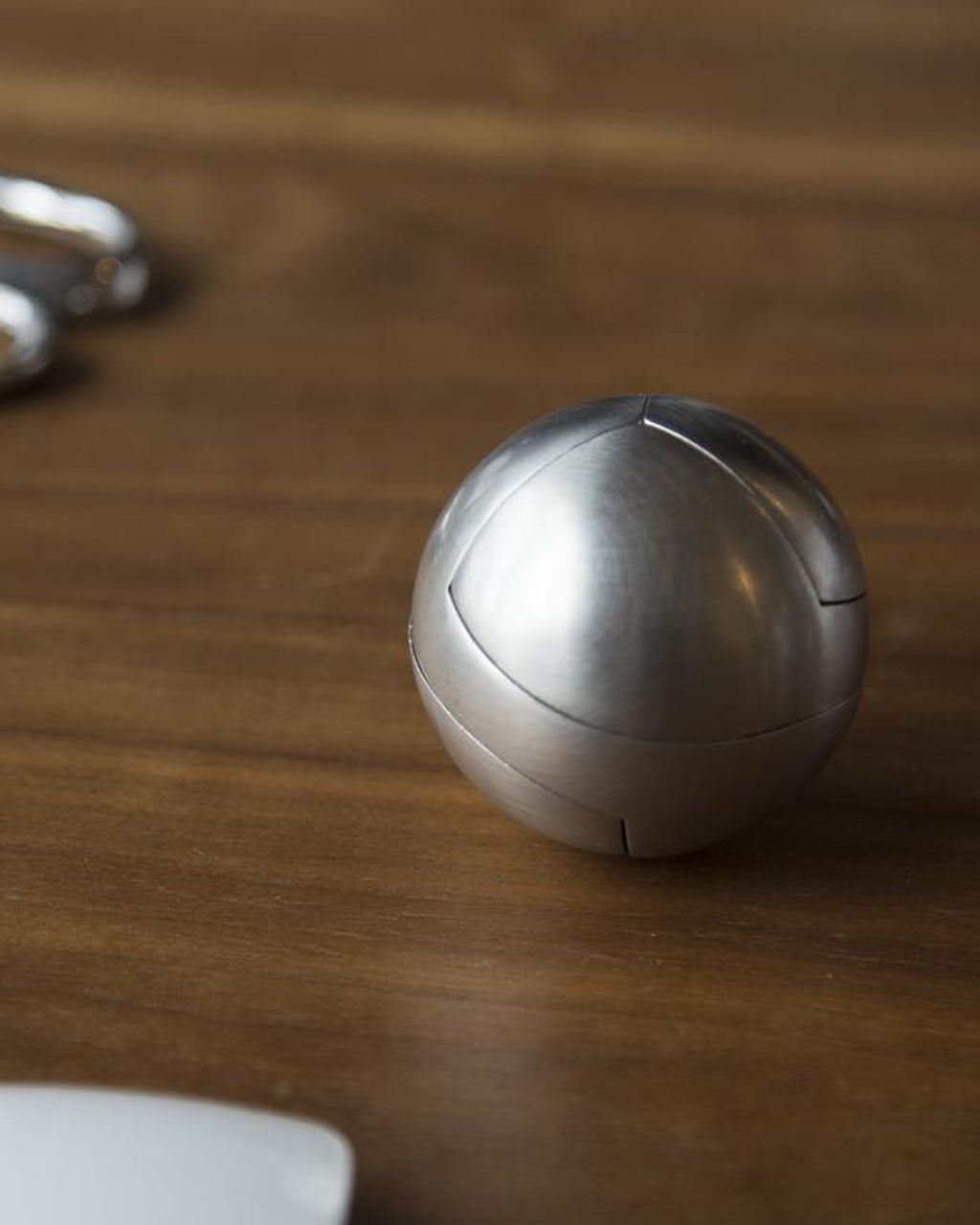
That misread is intentional. The metal finishes and the flush joineries that lock each piece together give the assembled form the appearance of a single cast object. No seams visible, no obvious entry point, no hint that the thing in your hand is meant to come apart. The puzzle reveals itself through handling, not looking. Someone has to turn it over, press a joint, feel a piece shift, and then the object becomes something else entirely.

This is Craighill at its most playful, and also its most precise. The flush fit that creates the sculptural deception requires the same machining tolerance as their functional tools. The aesthetic and the engineering are not in tension; one produces the other. What looks like restraint is actually a manufacturing standard.

Left on a shelf, a Craighill puzzle looks like it belongs there. Handed to a guest, it becomes a conversation. Few objects manage both convincingly.

What these three have in common

None of them solve a problem that was unsolvable before. Keyrings held keys. Knives cut boxes. Puzzles came apart. Craighill's contribution is the refusal to accept that existing solutions, because they function, are therefore finished. The studio treats aesthetic failure as a real problem, and design as the appropriate response.

That position is rarer than it sounds.

The full Craighill collection is available now at BrandsWalk. Subscribe to our newsletter and receive 15% off your first order.